How to Choose the Best Covert Camera for Your Needs?
In today's world, the demand for covert cameras continues to rise. Recent industry reports indicate that the global market for surveillance cameras is expected to reach $62 billion by 2024. This growth highlights the need for consumers to be informed when selecting a covert camera. These devices offer discreet monitoring solutions suitable for various settings, from homes to businesses.
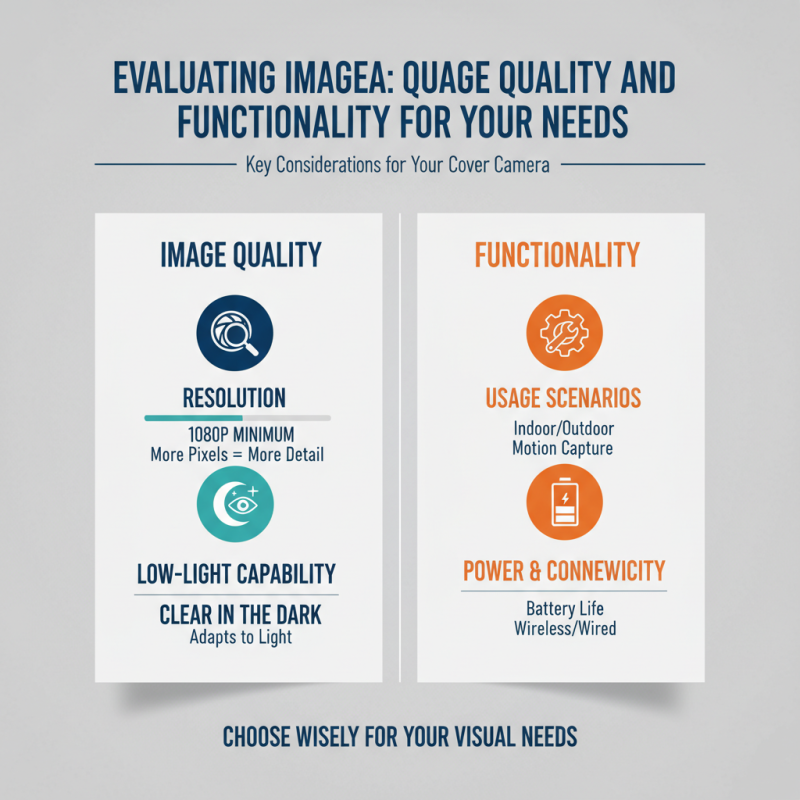
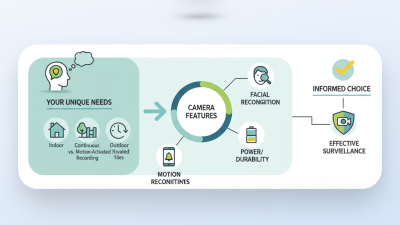
When choosing the best covert camera, consider factors such as resolution, battery life, and storage capacity. A high-definition camera can provide clear images, which is crucial for identifying subjects. Additionally, look for devices with motion detection features to enhance efficiency. Some users may overlook the importance of these specifications, leading to unsatisfactory results.
The design and versatility of a covert camera are also significant. Many options resemble everyday objects, enabling stealthy surveillance. However, the effectiveness of the camera largely depends on its placement and usage. It’s essential to ensure compliance with local laws during the selection process. Finding the right covert camera requires careful thought and research, as the wrong choice can lead to missed opportunities for effective monitoring.
Understanding Covert Cameras and Their Uses
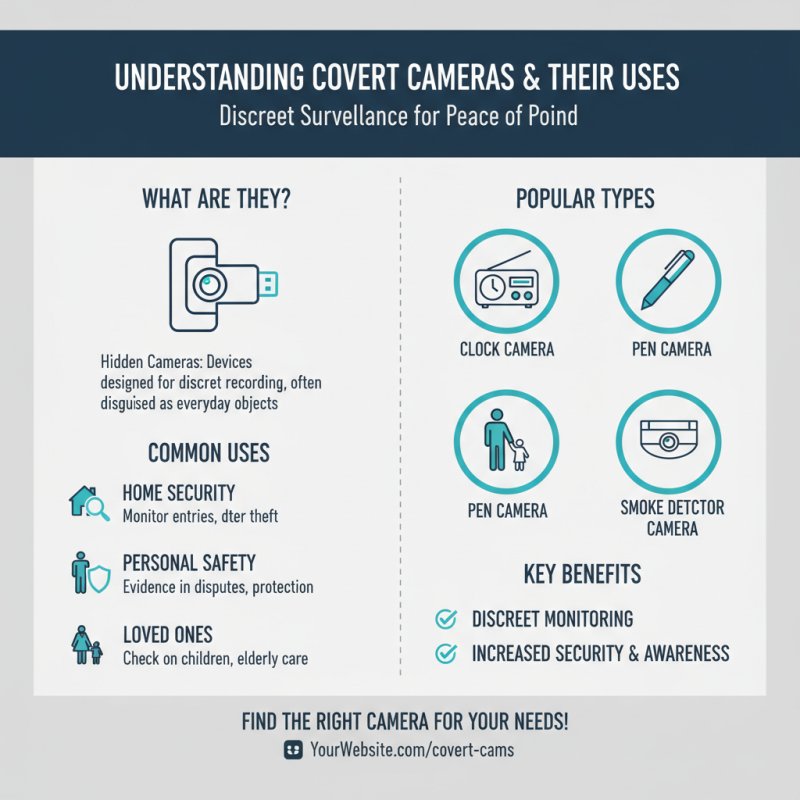
Covert cameras, sometimes called hidden cameras, are devices designed to record discreetly. They serve various purposes, from home security to personal safety. People often use them for monitoring loved ones or safeguarding property. Knowing their specific uses can help you determine what type of covert camera suits your needs.
When choosing a covert camera, consider factors like resolution and storage. High-resolution cameras record clearer images, which can be crucial for identifying people. Think about storage options too. Some cameras use SD cards while others rely on cloud storage. Assessing these details can help you select a camera that fits your requirements.
**Tips:** Make sure the camera has night vision for low-light settings. Also, check battery life—longer-lasting batteries are better for extended use. Reflect on the placement of the camera as well. If it's too obvious, it defeats the purpose of being covert. Always ensure it's easy to access for maintenance.
Key Features to Consider When Selecting a Covert Camera
When selecting a covert camera, several key features should guide your choice. Consider the purpose of the camera. This can help narrow down options. You might need something small and discreet or a model with enhanced features. Understand the lighting conditions as well. Certain cameras perform poorly in low light. A camera with night vision can be a good asset in those situations.
Resolution is another important factor. High-definition cameras provide clearer images. If clarity is vital, opt for a model with at least 1080p resolution. Additionally, look for models with motion detection capabilities. This feature helps save storage space, only recording when movement is detected.
Tips: Before you buy, think about where you’ll place the camera. Test it in that environment if possible. Consider battery life and storage capacity too. A camera that needs frequent recharging or runs out of space quickly can be a hassle. Research reviews and user experiences; they often reveal hidden strengths and weaknesses. It's crucial to find a balance between features and usability.
Types of Covert Cameras and Their Applications
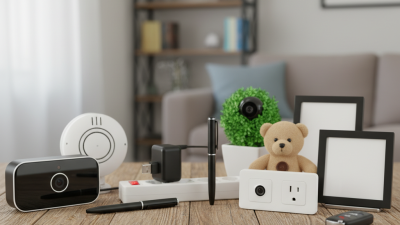
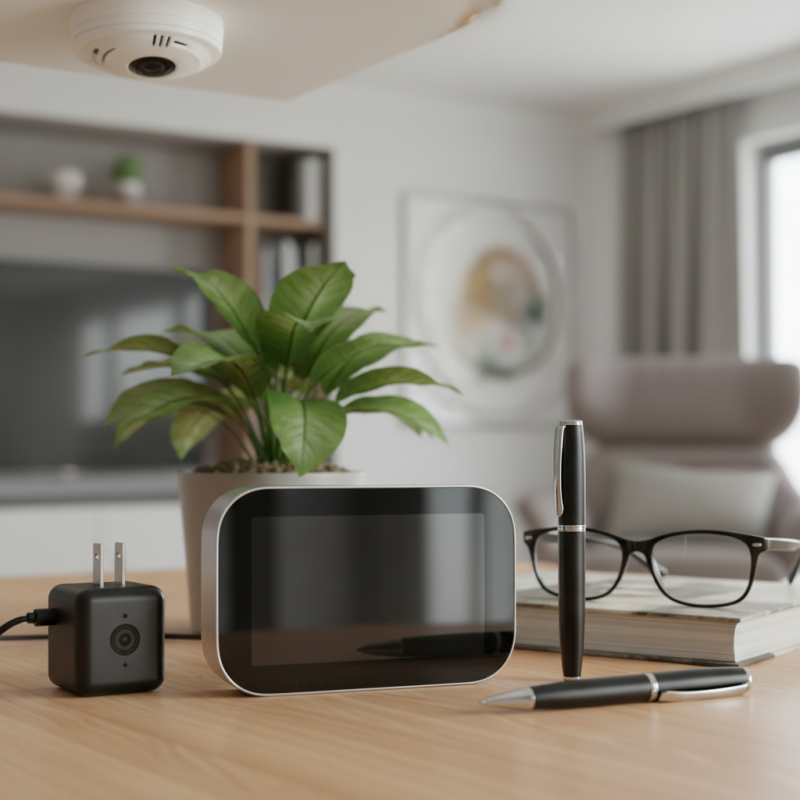
Covert cameras vary widely in type and application, serving different needs for customers. The most common category is the hidden camera, often used for security and surveillance. These cameras can be disguised as everyday items, including smoke detectors or decorative clocks. A recent industry report indicates that the market for hidden cameras will reach $1 billion by 2025. This surge reflects growing consumer interest in home security.
Another popular type is the wearable camera. These devices are often used by professionals, such as law enforcement and journalists. They enable hands-free recording of events as they unfold. Research shows that 45% of professionals find these cameras essential for capturing evidence. However, users must be cautious. The placement and use of such devices could lead to ethical dilemmas.
Nanny cameras serve a specific purpose for monitoring caregivers. Many parents rely on these to ensure their children’s safety. Statistics reveal that about 60% of parents with young children use some form of monitoring device. Yet, issues arise from privacy concerns. Balancing safety and privacy can be challenging. When choosing a covert camera, consider the purpose and placement carefully.
Covert Camera Types and Their Popularity
Legal and Ethical Considerations in Using Covert Cameras
When considering the use of covert cameras, legal and ethical aspects are crucial. In many regions, the laws governing surveillance vary significantly. For instance, a 2022 report highlighted that approximately 40% of people are unaware of local surveillance laws. This lack of awareness can lead to unintended violations. Understanding the legality of covert camera use is imperative before making any purchase decisions. It is essential to know where you can place these cameras and under what circumstances.
Ethical considerations are equally important. While covert cameras can provide security, their use can invade privacy. A study conducted in 2023 found that 65% of people feel uncomfortable knowing they are being recorded. This discomfort raises ethical questions about consent. Even in public spaces, the line between safety and invasion of privacy can blur. Choosing to use a covert camera means weighing the benefits against potential harm to trust and privacy. Each decision requires deep reflection on personal values and the impact on others. Careful thought and consideration are vital when navigating these complex issues.