How to Choose the Best Motion Detection Camera for Your Needs?
Choosing the right Motion Detection Camera can be a vital decision. It impacts security, convenience, and peace of mind. With so many options available, making the best choice may feel overwhelming.
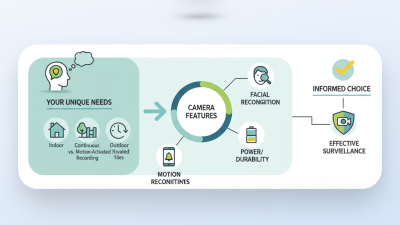
Every person has unique needs. Some require exceptional night vision. Others seek advanced features, such as cloud storage. Price plays a role too. A more expensive camera doesn’t always guarantee better performance. Keep that in mind.
Consider where you will place the camera. Indoor models might differ significantly from outdoor ones. The design should blend into your home or office environment. Users often report frustration with complicated setups. Finding a user-friendly camera can save you time and hassle.
Understanding Motion Detection Technology and Its Applications
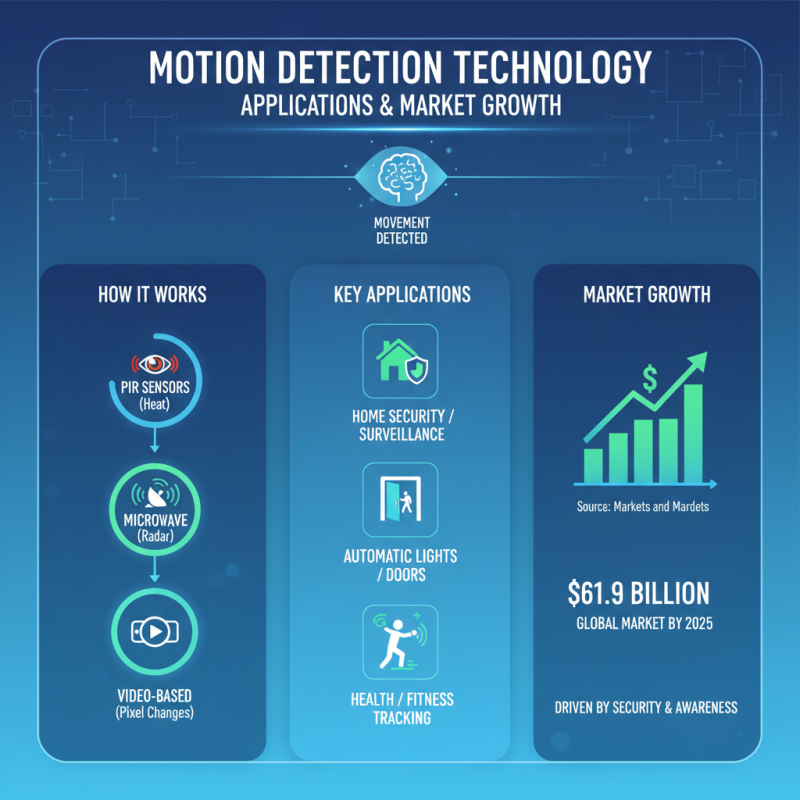
Motion detection technology has evolved significantly in recent years. It mainly relies on sensors to detect movement. These sensors can be passive infrared (PIR), microwave, or video-based. According to a report by Markets and Markets, the global motion detection market is expected to reach $61.9 billion by 2025. This growth highlights the increasing awareness and need for security.
Motion detection cameras have various applications. They are commonly used in home security, public safety, and wildlife monitoring. Effective cameras can differentiate between harmless movement, like pets, and potential threats. For instance, motion detection can lead to a 40% drop in property crimes, as stated by the Security Industry Association. However, users often overlook settings that minimize false alarms. This oversight can reduce effectiveness, making it crucial to explore and adjust camera sensitivity.
Understanding the technology behind motion detection can help users make informed choices. Effective systems need proper calibration for different environments. For example, high-traffic areas might require more advanced detection methods to avoid constant alerts. The quality of the camera lens and the angle of placement also impact performance. Users may find it challenging to balance detection range and recording quality. Each decision could influence system reliability and user satisfaction dramatically.
Key Features to Consider When Selecting a Motion Detection Camera
When choosing a motion detection camera, several key features should guide your decision. Picture quality is crucial. High-definition video provides clarity, especially during nighttime or low-light conditions. Look for cameras that offer at least 1080p resolution.
Sensor sensitivity is another factor. A camera that responds quickly to movement can provide better security.
Field of view is essential as well. A wider angle means fewer blind spots. Some cameras allow for adjustable lenses, so you can customize the view.
Two-way audio is an aspect often overlooked. Being able to speak through the camera can enhance your interaction. Don't forget to consider storage options. Cloud storage can be convenient but may involve ongoing fees. Local storage, like SD cards, offers one-time costs.
Lastly, connectivity plays a vital role. Ensure that the camera works with your existing network. Some models may have poor connectivity, leading to missed events. Research compatibility with your devices.
Motion detection technology can vary. Some cameras use basic motion sensing, while others incorporate advanced features like facial recognition. Be cautious about going for the cheapest option. It might lack the needed reliability for your safety.
Types of Motion Detection Cameras: Pros and Cons
When selecting a motion detection camera, understanding the types available can guide your choice. There are primarily two categories: passive infrared (PIR) cameras and video analytics cameras.
PIR cameras detect heat signatures. They are effective in low-light conditions and consume less power. However, they may struggle with fast-moving objects. This could lead to missed detections.
On the other hand, video analytics cameras rely on advanced algorithms. They analyze movement patterns, allowing for real-time alerts. These are ideal for busy environments. The downside? They require good lighting and a stable internet connection. This can complicate setups in remote areas or places with fluctuating power.
Choosing the right camera demands careful consideration. Reflect on your environment and needs. It’s not just about features; think about your budget, installation space, and maintenance requirements. A perfect match may not exist, but understanding the pros and cons brings clarity.
It’s essential to adapt your choice to your specific situation, even if it means compromising on certain aspects.
Evaluating Camera Specifications for Your Environment
When selecting a motion detection camera, evaluating specifications is crucial. Consider the resolution. Higher resolutions provide clearer images, especially when identifying faces or details. Look for at least 1080p. Also, remember that low-light performance impacts nighttime visibility. Cameras with infrared capabilities perform better in dark settings.
Another vital factor is the field of view. A wider angle captures more area, reducing blind spots. Some cameras may have adjustable lenses, enabling you to tailor the coverage. Wireless models offer flexibility, but they might suffer from connectivity issues.
Tips: Check for features like alerts and cloud storage. These can enhance your experience. Beware of overly complicated setups. Simplicity often leads to better usage. Take the time to read user reviews. They can reveal strengths and weaknesses you may not consider.
Comparison of Motion Detection Cameras: Key Specifications
Budget Considerations: Finding Value in Motion Detection Cameras
When choosing a motion detection camera, budget considerations are crucial. The market offers a wide range of prices. Reports indicate that around 40% of consumers spend between $100 and $300. However, striking the right balance between quality and cost is challenging.
Many cameras in the lower price range can lack essential features. For instance, lower-end models often have limited resolution and poor night vision. A study highlighted that 30% of buyers regretted choosing cheaper models. They later realized that investing in a more expensive option could have provided clearer images and better detection capabilities.
It’s essential to weigh the importance of features against price points. While high-end models offer advanced analytics, they might not be necessary for simple home security. If you only need basic detection, a mid-range camera may suffice. The key is to assess your specific needs and understand the trade-offs involved. Sometimes, an excellent camera within your budget might require some compromises. Always remember the function of the camera should determine your willingness to spend.