How to Choose the Best Small Camera for Your Needs?
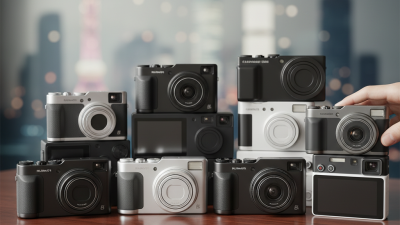
Choosing the right Small Camera starts with how you actually take pictures, not with a specification sheet. A camera that stays in a coat pocket may capture more meaningful moments than a larger model left at home. CIPA’s Camera and Imaging Products Association data shows that global digital camera shipments remain far below their 2010 peak, yet the market has shown renewed interest in compact and interchangeable-lens models. This suggests a practical shift: buyers want capable cameras that fit modern routines.
Photographer and entrepreneur Chase Jarvis captured this principle clearly: “The best camera is the one that's with you.” His statement remains useful when comparing pocket size, battery life, autofocus, sensor performance, and physical controls. A travel photographer may value a bright lens for dim cafés. A parent may need quick autofocus and silent operation. A street photographer may prefer a discreet body with a firm grip. These details matter more than impressive laboratory numbers.
Independent testing from DPReview and market data from CIPA can help verify image quality, durability, and demand trends. Still, reports cannot decide whether a camera feels comfortable in your hand. That part requires experience. Try the controls. Check the viewfinder in sunlight. Carry the camera for an hour. Small cameras are not automatically simple, cheap, or ideal. Some sacrifice battery capacity or zoom range for portability. That trade-off can be frustrating. The best choice is usually the model whose limitations you understand and can accept.
Define Your Small-Camera Needs and Shooting Priorities
How to Choose the Best Small Camera for Your Needs?
Define Your Small-Camera Needs and Shooting Priorities
A small camera should match your real shooting habits, not an imagined lifestyle. Consider where you will use it most. Busy streets, family gatherings, hiking trails, and indoor events demand different strengths.
For travel, low weight may matter more than extreme resolution. A camera that stays in your bag is more useful than a powerful model left at home. Check the grip, button placement, and menu speed before deciding. These details become important when a child suddenly runs across a room.
Think about your main subject. Moving subjects need responsive autofocus and quick continuous shooting. Landscapes benefit from strong detail, dynamic range, and a useful wide-angle lens. Indoor photography requires good low-light performance and manageable image noise. Video creators should inspect stabilization, microphone support, recording limits, and overheating behavior.
Your priorities may conflict.
I once chose a very compact camera with excellent specifications, but its controls felt cramped. After several outings, I missed simple shots because changing exposure took too long. That experience changed my process. I now test a camera with one hand, in dim light, and while wearing a small backpack.
Do not judge comfort from a store shelf alone. Borrow one if possible, then photograph familiar scenes. Review the files on a larger screen. Notice skin tones, shadow detail, focus accuracy, and battery use. The “best” choice can still feel wrong when its handling does not support your pace.
How to Choose the Best Small Camera for Your Needs?
Define your shooting priorities before comparing small-camera features. The chart below provides a practical starting-point weighting for common needs; adjust the percentages to match how you actually shoot.
How to use this chart: Give the highest weight to the factors that affect your everyday shooting. Prioritize portability for travel, image quality and low-light performance for indoor or evening scenes, battery life for long outings, and controls or video features when you need faster operation or stronger recording capabilities.
Compare Camera Types, Sensors, and Image Quality
How to Choose the Best Small Camera for Your Needs?
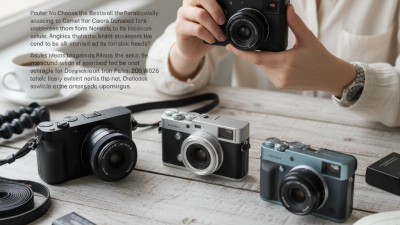
Small cameras differ in purpose, not just size. A pocket model suits travel, street scenes, and quick family photographs. An interchangeable-lens camera offers more control over perspective and background blur. Fixed-lens cameras are simpler, but their built-in lens may limit distant subjects. I once chose a camera for its tiny body and regretted the cramped controls during a long outdoor shoot.
Sensor size strongly affects image quality. Larger sensors usually collect more light and create cleaner shadows at night. They can also produce softer backgrounds. However, sensor size is not everything. Lens quality, image processing, autofocus, and stabilization matter too. A smaller sensor with a sharp lens may outperform a larger sensor in bright daylight. Check RAW samples, not only polished promotional images. Look closely at hair, fabric, and dark corners.
Tips: Compare cameras at the same ISO and shutter speed. Inspect test images at full resolution. Noise should look fine-grained, not muddy. For indoor use, prioritize low-light performance and stabilization. For landscapes, examine edge detail. For moving children, test autofocus before buying. A high pixel count can impress, but it does not guarantee natural color or reliable detail. Try holding the camera for ten minutes. Comfort is easy to underestimate.
Evaluate Lens Options, Portability, and Handling
Choosing the best small camera starts with its lens, not its size. A fixed lens usually delivers a simpler, lighter setup. It can also offer sharper images and a wider aperture in dim rooms. A built-in zoom provides more flexibility for travel, portraits, and distant subjects. However, compact zoom lenses may lose brightness at longer focal lengths. Check the minimum focusing distance before buying. It matters when photographing food, documents, or small details.
Portability should match your real routine. A camera that fits inside a jacket pocket is easier to carry daily. Still, test its weight with a battery and memory card installed. A tiny body may feel convenient but become uncomfortable with a large grip or accessory. I once chose the smallest option and regretted its weak battery during a full afternoon outside. Carrying a spare battery can reduce that frustration.
Handling affects your photographs more than specifications suggest. Hold the camera with one hand and adjust exposure without looking down. Controls should feel distinct, especially in cold weather or low light. A responsive touchscreen helps, but physical dials are often faster. Check whether the grip supports steady shooting with one hand. Image stabilization can reduce blur, though it cannot freeze a moving subject. Some advice sounds certain, but your hands and habits may prove it wrong.
Check Essential Features, Battery Life, and Connectivity
When choosing a small camera, I check its essential features before admiring its compact design. A bright lens helps in dim cafés and shaded streets. A larger sensor usually captures cleaner details, especially indoors. Physical controls also matter. They let you change exposure without searching through menus. I prefer a firm grip, a clear screen, and responsive autofocus. These details become important during quick, unplanned moments.
Battery life deserves practical testing, not blind trust in the specification sheet. Temperature, screen brightness, wireless transfers, and frequent video recording can drain power quickly. In my experience, a camera rated for a full day may need charging by afternoon. Carrying one spare battery is sensible. A USB-C charging option is even more useful during travel. Still, I have sometimes focused too much on battery capacity and ignored charging speed.
Connectivity should match your daily workflow. Wi-Fi can send photographs to a phone, while Bluetooth may maintain a low-power connection. A stable app is more valuable than a long list of wireless features. Check whether transfers work with your phone and preferred file formats. USB transfer remains useful when wireless service is weak. Test the connection before an important trip. Small cameras are convenient, but unreliable pairing can remove that advantage. A simple cable may be the better choice.
Match Your Budget with Long-Term Camera Value
How to Choose the Best Small Camera for Your Needs?
When choosing a small camera, compare long-term value, not only the checkout price. A low-cost model may need an extra battery, memory card, grip, and protective case. Those additions can quietly raise your spending by 20 to 40 percent. Size can mislead. A lighter body may feel uncomfortable during a three-hour walk. Visit a store if possible, and test the grip with one hand. Check whether the controls remain easy to use in bright sunlight. I once chose a compact camera with excellent specifications but poor buttons. I missed several street photographs because changing settings felt slow.
Look beyond the first year. A dependable camera should offer replaceable batteries, durable ports, clear menus, and accessible repair options. Sensor performance matters, but practical reliability matters more when traveling or working outdoors. Compare battery life using real user tests, not only laboratory figures. Also inspect the cost of essential accessories and future maintenance. A slightly higher price can make sense if the camera remains useful for five years. Keep a repair cushion. Technology changes quickly, and a newer model may appear before your purchase feels old.
That is where my judgment becomes less certain. Resale value is difficult to predict, especially when software support changes. Choose a camera that solves your current needs without forcing expensive upgrades. A camera that fits your hand, bag, and routine may deliver more value than a technically stronger model that stays at home.