How to Choose the Best Small Camera for Your Needs?
Choosing the right small camera can be a daunting task. With numerous options available, it's easy to feel overwhelmed. A small camera is not just portable; it also offers unique functionalities suited for different needs. Understanding what features matter most to you is crucial.
Consider factors like image quality, battery life, and price. Some cameras excel in low light, while others shine in video capabilities. Your choice should reflect how you plan to use the camera. Are you an aspiring photographer, or do you just want something for family outings? Each answer leads you to different models.
There’s no one-size-fits-all. The perfect small camera for your friend might not suit you. Balancing features with your budget can be tricky. Reflect on your previous experiences with cameras. This can guide your decision. Embracing this journey will lead you to the small camera that's just right for you.
Understanding Your Photography Needs and Goals
Choosing the right small camera starts with understanding your photography needs and goals. Before making a decision, clarify what you want to achieve. Are you capturing family moments, landscapes, or street photography? Research shows that 70% of photography enthusiasts prioritize portability for convenience. This insight can guide you to select a camera that aligns with your lifestyle.
Consider the features essential for your photography style. For instance, if you enjoy low-light photography, look for cameras with larger sensors. According to a recent survey, 55% of photographers face challenges with low-light conditions. A camera that excels in these situations can improve your results significantly.
Tips:
- Test different cameras in-store to find what feels comfortable.
- Assess if you need interchangeable lenses or if a fixed lens suffices.
- Check online forums and reviews to learn from other photographers' experiences.
Reflect on your needs regularly. As your photography skills evolve, your requirements may change. Keeping your goals in mind will help you avoid choosing a camera that may not serve you well in the long run.
Key Features to Look for in a Small Camera
When choosing a small camera, consider several key features to fit your needs. Image quality is crucial. Look for cameras with higher megapixels and good low-light performance. This can significantly impact your photos, especially in dim environments. A camera that struggles in low light can lead to disappointing results.
Battery life is another important factor. Smaller cameras often have shorter battery lives. If you plan long outings, a spare battery can save your experience. Keep an eye on the camera’s power management features. Some models offer energy-saving modes that can extend your use time.
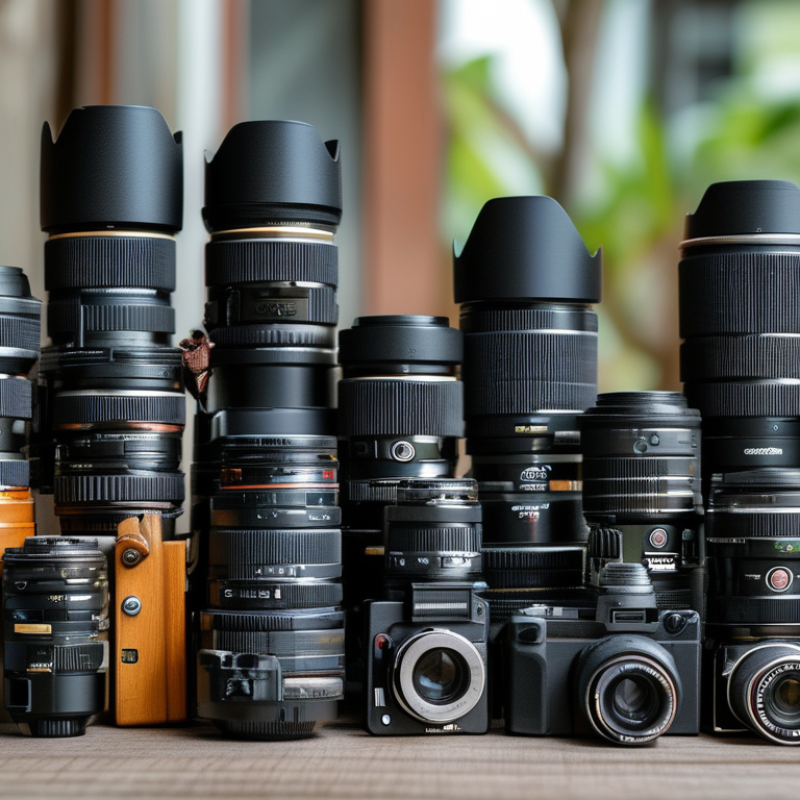
Don't overlook lens versatility. A camera with interchangeable lenses can adapt to various situations. Fixed-lens options are more compact but may limit your creative range. Think about your photography habits. If you enjoy landscapes, look for wide-angle capabilities. For portraits, a camera with a good aperture will serve you well.
As you explore options, weigh the benefits against your budget. Sometimes, a higher price does not guarantee better performance. Experiment with different models before making a decision. Spend some time capturing images to assess how they feel in real-world conditions.
Camera Features Comparison
Comparing Different Types of Small Cameras
When selecting a small camera, it's essential to understand the different types available. Compact point-and-shoot models are user-friendly. They are often lightweight and portable, making them ideal for casual photographers. Data from the Camera and Imaging Products Association indicates that these cameras account for a significant portion of global sales. Their focus on simplicity is appealing, but they often lack advanced features.
Mirrorless cameras are gaining popularity. They offer interchangeable lenses and superior image quality. According to a report by CIPA, mirrorless camera sales have increased by 30% annually. However, they can be bulkier than simple point-and-shoots. This added weight can be a drawback for on-the-go shooting. The learning curve might also deter beginners, making them less appealing for the casual user.
DLSRs, while not typically categorized as "small," are worth mentioning. They provide exceptional image quality and versatility. CIPA data shows that while DSLR sales are declining, they continue to appeal to serious photographers. Their bulk can pose a problem for travel. Reflecting on these options, one must weigh portability against image quality and ease of use. Each type of camera has pros and cons that vary according to needs and preferences.
Evaluating Budget and Value for Money
When selecting a small camera, understanding your budget is crucial. A balance between price and features will ensure you get good value. Start by defining how much you are willing to invest. This helps narrow down your options quickly. Research customer reviews. These can provide insights into how the camera performs in real-world situations. Look for features that matter most to you, like image quality and portability.
Explore the used market or refurbished models. They can offer significant savings while still providing quality performance. However, ensure you buy from reputable sources. Examine warranty options carefully. Some sellers may not offer the same reliability as others. Pay attention to the return policy too; flexibility can save you if the camera doesn't meet your expectations.
Consider the long-term cost of ownership. Some cameras may require expensive accessories or frequent upgrades. Understand these potential expenses before committing. While it's tempting to seek the latest technology, remember that a simpler model might serve your needs just as well. Reflect on your requirements regularly. Preferences can change over time, so being adaptable can lead to wiser choices.
Reading Reviews and Gathering User Feedback
When choosing a small camera, user feedback and reviews are invaluable. Many buyers rely on reviews to gauge performance and reliability. According to a recent survey by the Camera and Imaging Products Association, 74% of consumers consult online reviews before making a purchase. Such insights can help you narrow down your options based on real-life experiences.
Reading multiple reviews allows you to identify common praises or complaints. For instance, issues with battery life or ease of use often come up. A report from a leading consumer electronics site noted that 57% of small camera users felt misled by manufacturer specs. This highlights the gap between marketing and actual performance. Always cross-reference reviews to get a clearer picture.
User feedback on forums is also rich with details. Users often share tips and tricks that aren’t found in user manuals. Some may express regret over missing specific features. Such honest reflections can guide you toward making a more informed choice. Keep an open mind and consider all angles before making that final decision.
How to Choose the Best Small Camera for Your Needs? - Reading Reviews and Gathering User Feedback
| Camera Model |
Image Quality |
Battery Life |
Portability |
User Rating |
Price |
| Model A |
Excellent |
400 shots |
Compact |
4.8/5 |
$499 |
| Model B |
Very Good |
350 shots |
Lightweight |
4.5/5 |
$450 |
| Model C |
Good |
300 shots |
Very Portable |
4.3/5 |
$399 |
| Model D |
Fair |
250 shots |
Easy to Carry |
4.0/5 |
$299 |
| Model E |
Excellent |
500 shots |
Compact and Light |
4.9/5 |
$599 |