What is a Covert Camera and How Does It Work?
Covert cameras have become increasingly prevalent in various fields, from security to wildlife observation. These discreet devices allow users to monitor environments without drawing attention. Dr. Emily Carter, a leading expert in surveillance technology, once stated, "Covert cameras are not just tools; they are the eyes that reveal hidden behaviors." Her insights emphasize the importance of understanding how these devices operate.
A covert camera typically utilizes small lenses and advanced technology to capture high-quality footage discreetly. This enables users to conduct surveillance without being noticed. For many, this technology serves practical purposes, such as enhancing personal safety or securing property. However, it also raises ethical questions. The balance between security and privacy must be carefully navigated in any discussion about covert cameras.
As society embraces new technologies, it's essential to reflect on their consequences. The very nature of covert surveillance can lead to issues of trust and consent. Each use case leads us to ponder: how much observation is acceptable in our pursuit of safety? Covert cameras are powerful, but they demand responsible use to ensure they serve the greater good.
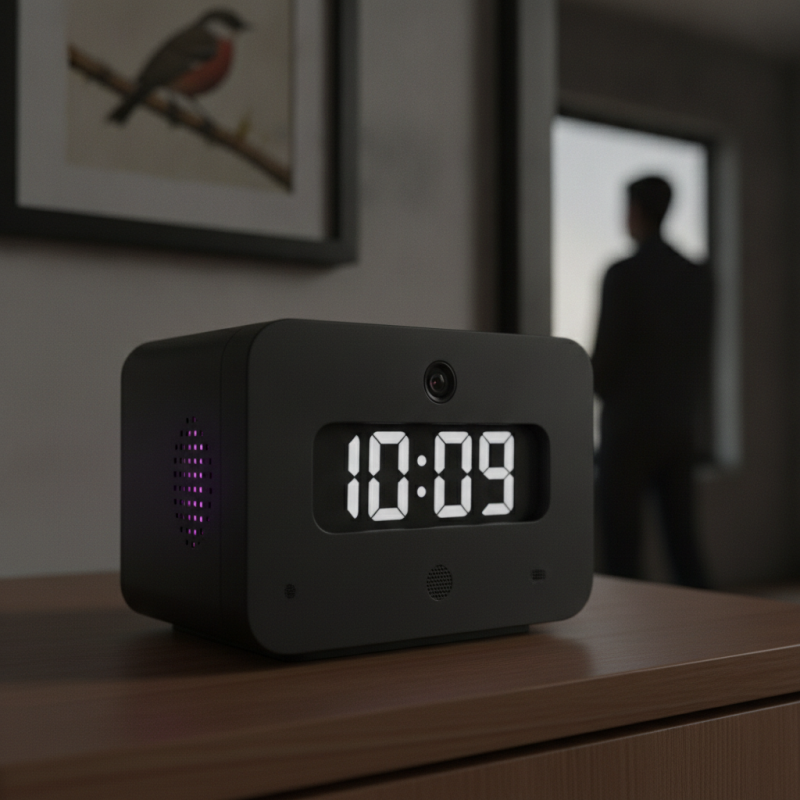
Definition and Purpose of Covert Cameras
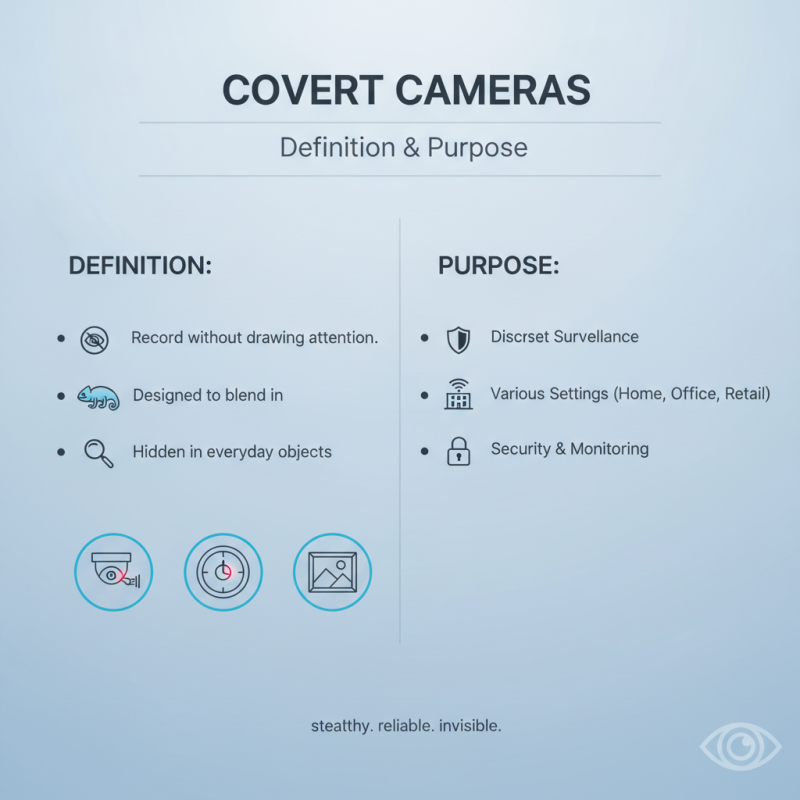
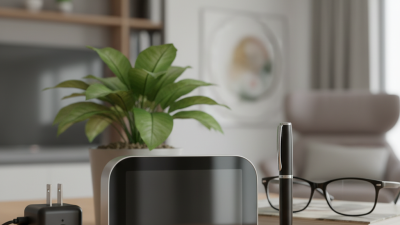
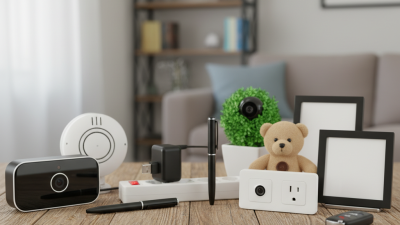
Covert cameras serve a specific purpose: to record without drawing attention. These devices are designed to blend in with their surroundings. They can be hidden in everyday objects, such as smoke detectors or picture frames. This allows for discreet surveillance in various settings.
The primary goal of a covert camera is to capture activities without the subjects' knowledge. These cameras can be used for security, monitoring vulnerable individuals, or gathering evidence in sensitive situations. Their effectiveness relies on their ability to remain unnoticed while providing high-quality footage.
However, the use of covert cameras raises ethical questions. Where is the line between safety and invasion of privacy? Many users may not consider the implications of capturing someone's image without consent. Balancing the need for security with respect for personal privacy can be challenging. Recognizing these complexities is crucial for responsible use of covert cameras.
Types of Covert Cameras and Their Features
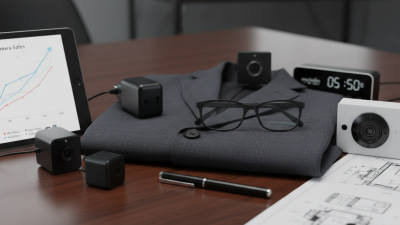
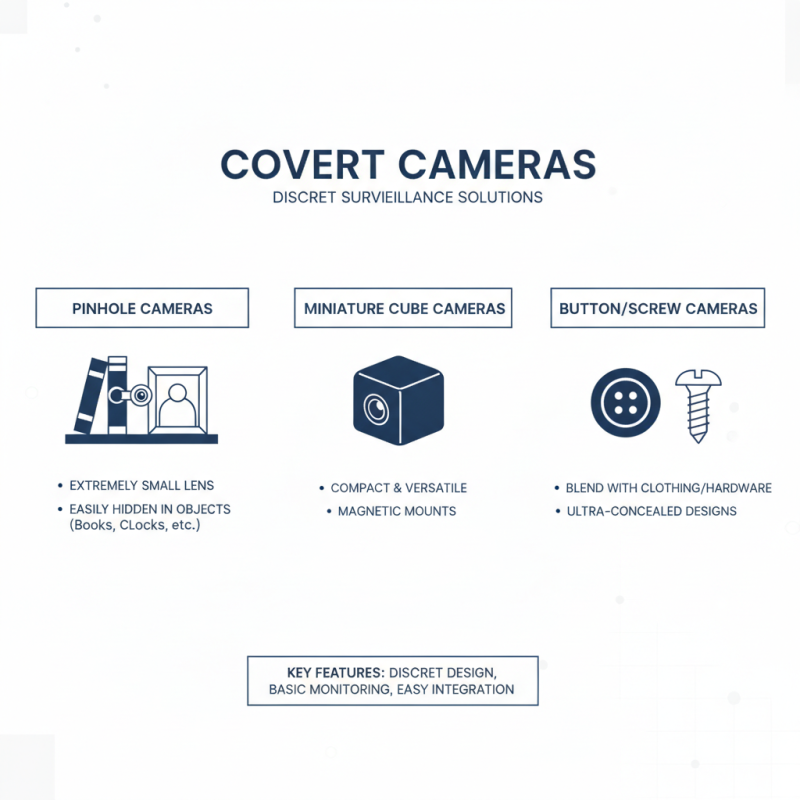
Covert cameras come in various types, each designed for specific needs. One common type is the pinhole camera. These are discreet and small, making them ideal for hidden surveillance. They can be placed in everyday objects like books or picture frames, ensuring they go unnoticed. The image quality is often acceptable for basic monitoring tasks.
Another type is the Wi-Fi-enabled camera. These cameras connect to a network, allowing real-time video streaming to a smartphone or computer. This feature enhances usability, as users can check in remotely. However, these devices can be vulnerable to hacking if security measures are not robust. Regular software updates are essential for maintaining security.
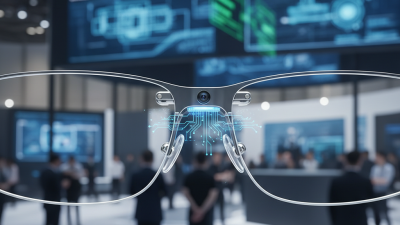
Body-worn cameras are also a popular choice. They are often used by professionals and provide a first-person perspective. Their portability is a significant advantage. Yet, users must consider privacy concerns and ethical implications when using such technology in public spaces. Each type of covert camera serves distinct purposes, reflecting the diverse needs of users. Selecting the right one involves weighing benefits against potential risks.
How Covert Cameras Capture and Store Footage
Covert cameras are designed to blend into their environments. These small devices can capture high-quality footage without drawing attention. The technology behind them allows for discreet monitoring in various settings. They are commonly used in security, surveillance, and personal safety.
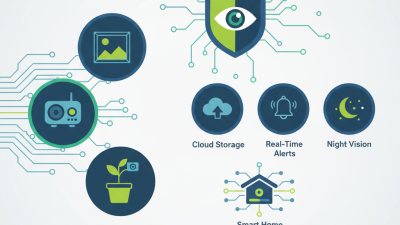
Covert cameras utilize motion sensors and advanced optics to record video selectively. When movement is detected, the camera activates. This feature conserves storage space and battery life. Footage is typically stored on internal memory or in the cloud. This enables easy access to recorded information from any location.
However, challenges accompany their use. Battery life may vary significantly depending on usage. In some cases, video quality can suffer in low-light conditions. While these cameras offer unique benefits, ethical considerations must also be addressed. Users should reflect on privacy implications. Proper usage aligns with responsible monitoring practices while ensuring transparency and respect for others.
Legal and Ethical Considerations of Using Covert Cameras
The use of covert cameras raises important legal and ethical questions. Individuals often assume they can record any situation without implications. However, this is not always true. Different regions have varied laws regarding privacy and surveillance. It's essential to research these laws diligently. Failing to do so can lead to serious consequences.
Ethically, the issue is even more complex. While surveillance may protect safety, it can invade personal privacy. Public areas often provide some latitude, but private spaces do not. Recording without consent can foster distrust and fear among individuals. The balance between safety and privacy is delicate. Regularly questioning the motives behind using covert cameras is crucial. Are they really for protection, or do they serve to control?
Ultimately, it’s vital to weigh the implications of using covert cameras. Their influence on relationships and communities cannot be overlooked. Engaging with these cameras should involve careful thought and consideration. Recognition of the potential harm is essential to responsible usage.
Common Applications of Covert Cameras in Various Fields
Covert cameras have become integral tools across various fields. In security, they serve to monitor spaces discreetly. Retailers utilize them to deter theft. A recent report by the Security Industry Association noted that over 60% of retailers reported a decrease in shrinkage due to covert surveillance.
In the healthcare sector, covert cameras assist in ensuring patient safety. They provide a way to monitor the behavior of staff and patients without disrupting care. According to a study published in the Journal of Healthcare Safety, the implementation of covert monitoring led to a 30% reduction in medication errors. This data highlights the impact of these cameras on improving healthcare outcomes.
Beyond security and healthcare, covert cameras have applications in corporate settings. Companies often use them to monitor employee productivity. However, this practice raises ethical questions about privacy. A survey by the Society for Human Resource Management revealed that 47% of employees felt uneasy knowing they were being watched at work. Balancing oversight and privacy remains a challenge in this domain.
What is a Covert Camera and How Does It Work? - Common Applications of Covert Cameras in Various Fields
| Field |
Common Applications |
Key Features |
Benefits |
| Security |
Surveillance in high-risk areas |
Discreet design, night vision |
Deterrent to crime, evidence collection |
| Retail |
Monitoring customer behavior |
Small size, real-time footage |
Improve customer experience, reduce theft |
| Law Enforcement |
Undercover operations |
High-resolution recording, covert mounting |
Gathering crucial evidence, safety for officers |
| Home |
Nanny cams, monitoring services |
Wireless connectivity, easy setup |
Peace of mind, remote viewing capabilities |