What is a Covert Camera and How Does it Work?
Covert cameras have become an essential tool in various fields, from security to creative arts. These discreet devices allow users to capture footage unseen, offering unique perspectives on everyday life. Dr. Emily Stevens, a leading expert in surveillance technology, states, "A covert camera can reveal truths that the naked eye often misses."
Understanding how these cameras function is important. Covert cameras use advanced technology to blend into their surroundings. They can be embedded in everyday items, making them virtually undetectable. This creates a dual-edge situation, as they provide security and privacy, but may also raise ethical questions.
As technology evolves, it prompts reflection on our relationship with privacy. The accessibility of covert cameras means anyone can potentially misuse them. This creates a need for responsible use and awareness. The discussion surrounding covert cameras is complex and ongoing. Engaging with these ideas ensures they are used appropriately and ethically.

What is a Covert Camera: Definition and Background
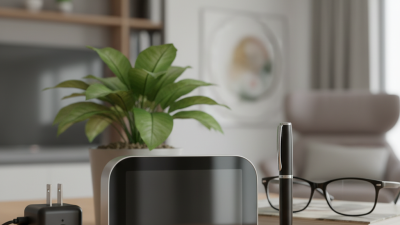
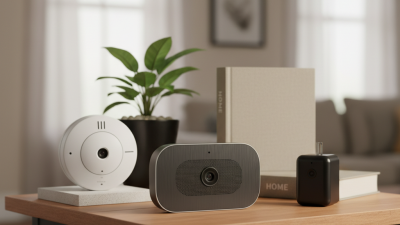
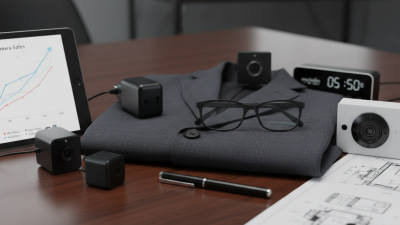
Covert cameras are hidden devices used for surveillance. They blend into their surroundings to capture video or images discreetly. These cameras come in various forms. Some look like everyday objects, like smoke detectors or picture frames. Others are smaller and can be easily concealed. This makes them useful for many purposes.
The technology behind covert cameras has advanced rapidly. High-definition images are now possible, even in low light. Wireless options allow for easier placement. However, ethical concerns arise with their use. Many people worry about privacy invasion. When used improperly, covert cameras can lead to mistrust and conflict. The line between security and surveillance can blur easily.
In practice, the effectiveness of these cameras depends on positioning. A poorly placed camera may miss critical moments. Additionally, unsuspecting subjects might act differently if they know they're being recorded. This complicates the data's reliability. It's essential to reflect on the implications. The power of covert cameras comes with great responsibility.
Types of Covert Cameras: Exploring Various Designs and Technologies
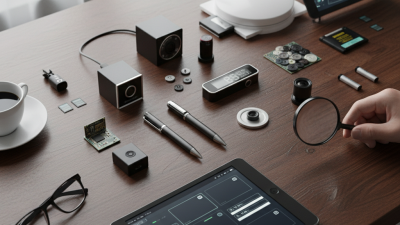
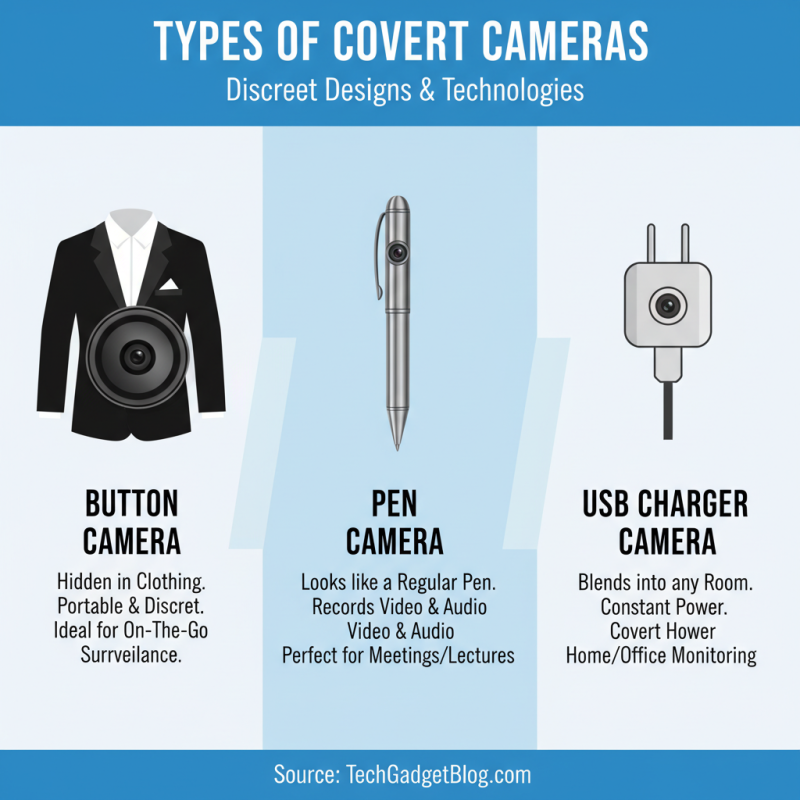
Covert cameras come in various designs and technologies. Each type serves different purposes and situations. Among the most popular designs are button cameras, hidden in everyday clothing items. They are discreet and easy to carry. There are also pen cameras, which look like regular pens but record video. This design is perfect for meetings or lectures.
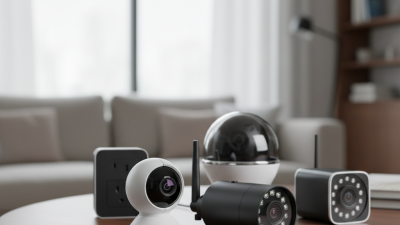
Wireless covert cameras offer flexibility. They can transmit data without physical connections. According to a report by the Security Industry Association, the demand for wireless security devices has grown by over 30% in recent years. This trend indicates a rising interest in covert surveillance for personal safety and monitoring.
**Tips:** When choosing a covert camera, consider battery life. Some models last only a few hours. Ensure the design blends well with your surroundings. It’s essential to position the camera where it captures the best angles. Remember, ineffective placement diminishes the camera's purpose. Always review footage regularly to identify any missed opportunities for better surveillance.
How Covert Cameras Operate: Mechanisms of Functionality Explained
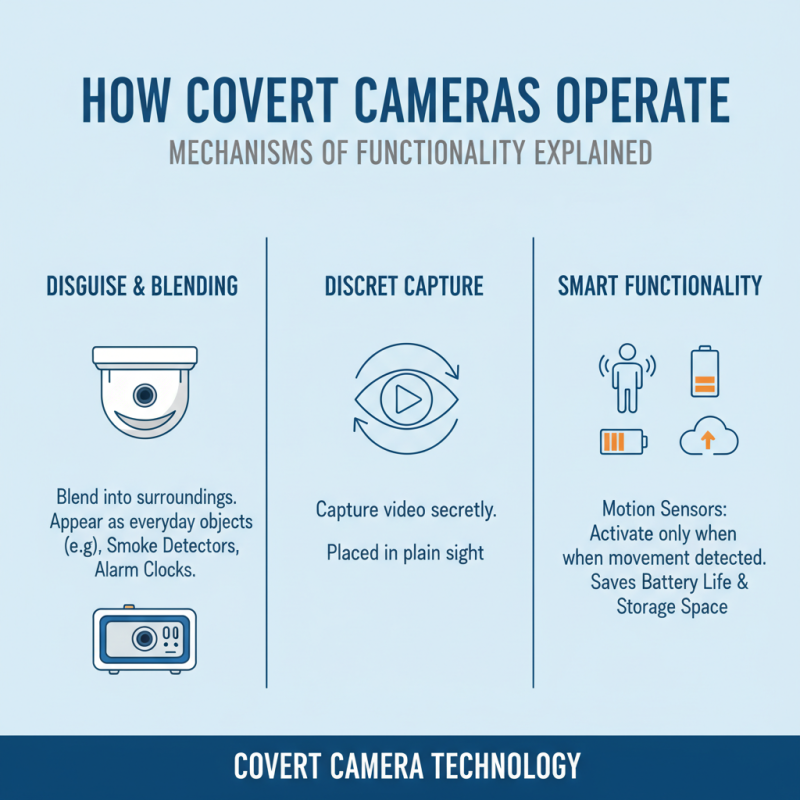
Covert cameras are intriguing devices designed to blend into their surroundings. These tiny cameras come in various forms, resembling everyday objects like smoke detectors or alarm clocks. By hiding in plain sight, they capture video discreetly. They often function using motion sensors, activating only when movement is detected. This functionality helps save battery life and storage space.
Internally, covert cameras utilize small lenses and image sensors. The resolution of these sensors can vary, affecting the clarity of recorded footage. Some cameras offer night vision, enabled by infrared technology. However, this can sometimes result in grainy images under low light. Wireless connectivity is another key feature, allowing real-time monitoring on smartphones or computers. It’s important to note that the video quality may fluctuate based on signal strength.
While covert cameras serve practical purposes, ethical considerations arise. Privacy is a major concern. Users must reflect on the implications of capturing images without consent. It's not always clear where to draw the line. Striking a balance between security and respect for privacy is challenging. Covert cameras may be useful, yet they open a dialogue about surveillance and trust.
Applications of Covert Cameras: Security, Surveillance, and Beyond
Covert cameras are popular tools in various sectors, mainly for security and surveillance. These devices are designed to remain hidden, capturing footage without drawing attention. They are used in offices, homes, and public areas. Some models can be disguised as everyday items, like smoke detectors or alarm clocks. This makes them versatile for discreet monitoring.
In security applications, covert cameras are vital. They help deter theft and vandalism in retail settings. Homeowners often use them to ensure their property remains safe. Many people feel uneasy about security cameras. They worry about privacy and being watched. However, covert cameras can provide a sense of safety if used responsibly.
Surveillance is another common application. Businesses may monitor employee performance or ensure safety protocols are followed. Yet, caution is necessary. The misuse of these cameras can lead to ethical concerns. Finding a balance between security and privacy is essential. Covert cameras can enhance safety, but their implementation should be thoughtful and just.
What is a Covert Camera and How Does it Work? - Applications of Covert Cameras: Security, Surveillance, and Beyond
| Application |
Description |
Impact |
Key Features |
| Home Security |
Used to monitor suspicious activities around residential properties. |
Deters crime and provides evidence. |
Discreet design, wireless connectivity. |
| Corporate Surveillance |
Monitors employee behavior and protects company assets. |
Enhances workplace safety and accountability. |
HD video quality, cloud storage. |
| Law Enforcement |
Collects evidence covertly during investigations. |
Aids in solving crimes and tracking suspects. |
Night vision, compact size. |
| Child Safety |
Monitors children's caregivers and provides peace of mind. |
Ensures children's well-being and safety. |
Audio recording, movement detection. |
| Retail Security |
Helps prevent theft and monitor customer interactions. |
Enhances loss prevention strategies. |
360-degree view, remote access. |
Legal and Ethical Considerations Surrounding Covert Camera Usage
Covert cameras have gained significant popularity. They are often used for security. However, the legal and ethical implications of their use cannot be overlooked. Studies show that nearly 70% of people believe covert recordings violate privacy rights. This statistic raises important concerns about consent and discretion.
Privacy laws vary widely across regions. In some areas, recording without consent may lead to severe penalties. Ethical dilemmas also arise when covert cameras are placed in sensitive spaces, such as restrooms or changing rooms. While some justifications exist, such as protecting vulnerable populations, the potential for abuse is high.
Ignoring ethical implications can lead to trust issues. Once trust is broken, it can be hard to rebuild. Nearly 50% of individuals feel uneasy knowing covert cameras might be monitoring their actions. This sense of discomfort highlights the need for balance between security and personal privacy. Awareness and education on these issues are crucial for responsible usage.