10 Essential Tips for Choosing the Best Mini Camera for Your Needs?
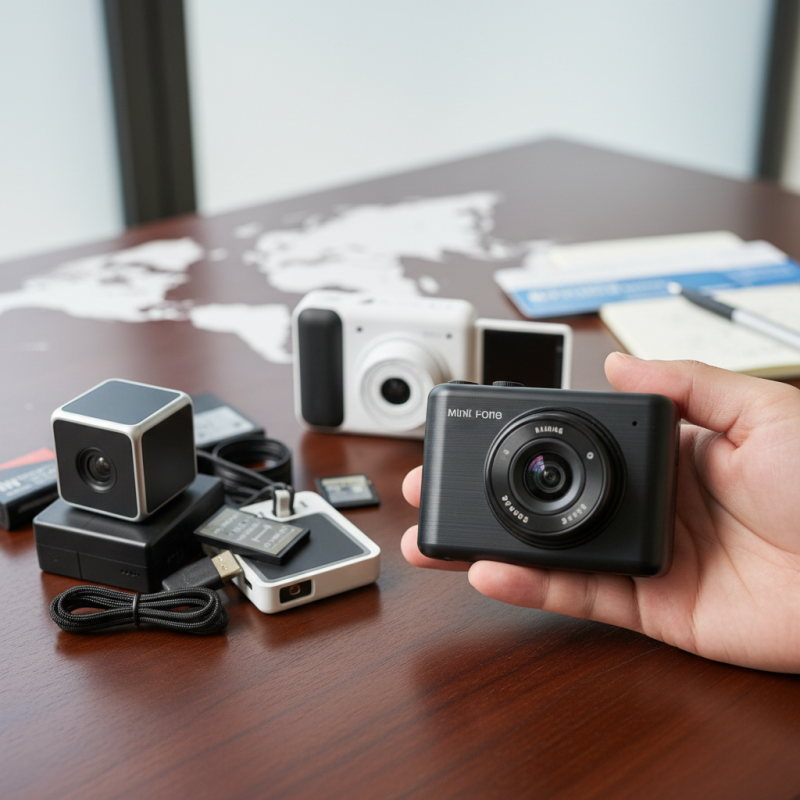
When selecting a Mini Camera, various factors can influence your choice. Mini Cameras offer compactness and versatility. However, it’s crucial to understand your specific needs. Are you aiming for high resolution? Or perhaps user-friendly features matter more? Each Mini Camera has unique attributes.
Consider the purpose behind your purchase. For travel or vlogging, a lightweight design is essential. Yet, quality shouldn’t be compromised. Evaluate the camera’s battery life and storage capacity. These aspects play a significant role in real-world scenarios.
A Mini Camera should not only fit in your pocket but also capture moments vividly. However, it’s easy to overlook details like lens quality and picture stabilization. Research can be overwhelming, but it’s worthwhile. Identify which features will genuinely enhance your experience.
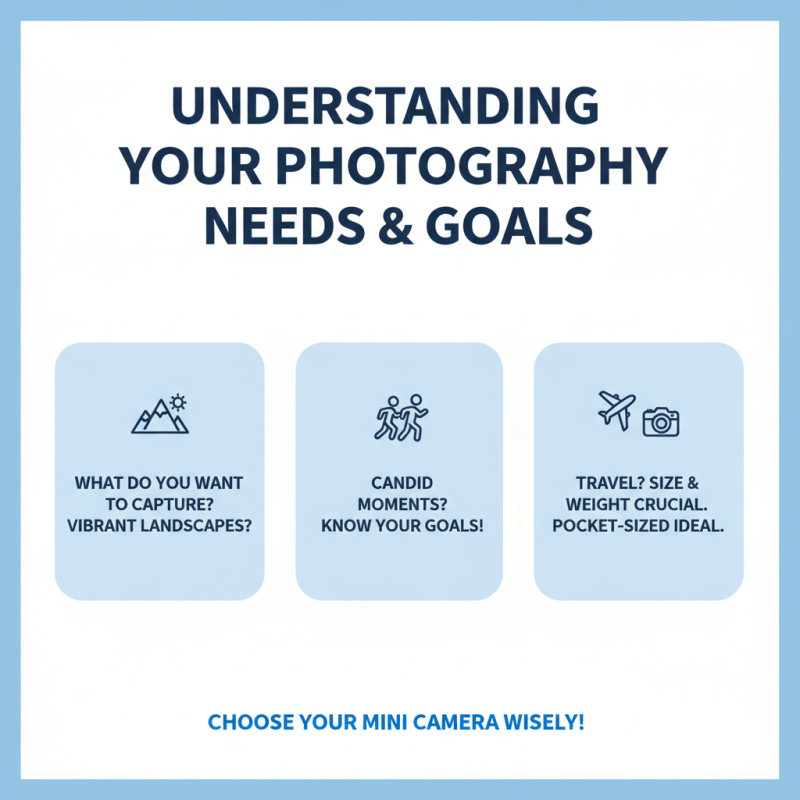
Understanding Your Photography Needs and Goals
Choosing the right mini camera begins with understanding your own photography needs. What do you want to capture? Are you looking for vibrant landscapes or candid moments? Knowing your goals helps filter your options. For instance, if you enjoy traveling, size and weight become crucial. A compact camera that fits in your pocket is ideal.
Consider the type of photos you take most often. Do you prioritize low-light capability or quick shutter speeds? If you're often shooting in dim environments, focus on those features. You might also reflect on whether you need advanced settings or prefer automatic modes. Don't rush the decision; it’s okay to feel uncertain. Experiment with different models before finalizing. You might be surprised by what feels comfortable in your hands. Often, personal preferences outweigh technical specs.
Key Features to Look for in Mini Cameras
When choosing a mini camera, some key features can truly enhance your experience. Look for a high-resolution sensor. Most experts agree that at least 12 megapixels is essential for delivering sharp images. According to market research, cameras with higher pixel counts provide better detail in various lighting conditions. However, be cautious; more pixels can mean larger file sizes.
Stabilization technology is another crucial factor. A shake-free image is vital, especially if you plan to capture video. Many mini cameras now offer optical image stabilization, which can significantly improve your footage quality. Conversely, some cheaper models may have only digital stabilization. This can sometimes result in worse image quality.
Battery life is also an overlooked aspect. Booking a long trip? Look for cameras that offer extended battery life, ideally over 300 shots per charge. Some users report that short battery life limits their shooting capabilities. Features like Wi-Fi connectivity can also be helpful for quick sharing. Yet, this may lead to increased power consumption. Balancing features with your specific needs is essential. Capture what matters most without the hassle.
10 Essential Tips for Choosing the Best Mini Camera for Your Needs
| Feature |
Description |
Importance Level |
| Image Quality |
Resolution and sensor size that affects the detail and clarity of your images. |
High |
| Portability |
Compact size and lightweight design for easy carrying. |
Medium |
| Battery Life |
Duration of use on a single charge. |
High |
| Video Capabilities |
Resolution and frame rates available for video recording. |
High |
| Storage Options |
Internal storage capacity and support for external memory cards. |
Medium |
| Durability |
Resistance to water, dust, and shocks. |
Medium |
| Connectivity Options |
Wi-Fi, Bluetooth for easy sharing and remote control. |
Medium |
| Ease of Use |
User interface design and accessibility of settings. |
High |
| Lens Options |
Availability of interchangeable lenses or built-in zoom. |
Medium |
| Price |
Affordability and value for features offered. |
High |
Evaluating Image Quality and Performance
When choosing a mini camera, image quality and performance are crucial. Look for sensors that capture more light. Larger sensors often produce clearer images, especially in low light. A camera with good low-light performance is a must for night shots.
Consider the lens quality too. A sharper lens helps in capturing fine details. Higher aperture values can lead to better photos in various lighting. Pay attention to image stabilization features. They can make or break the quality of your videos and photos.
Don't overlook user reviews highlighting real-life experiences. Sometimes, the specifications do not match up with actual performance. Experiment with different settings to discover what works best for your style. The ideal camera may take time to find, but the right tool makes a difference in your photography journey.
Comparison of Mini Camera Performance Metrics
Portability and Design Considerations
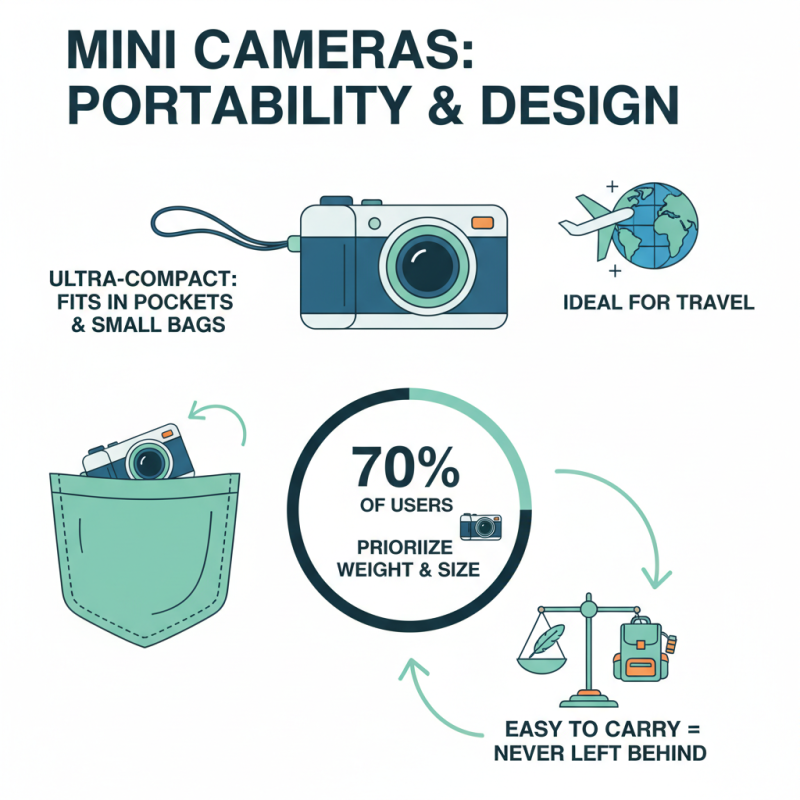
When it comes to mini cameras, portability and design are crucial. A compact model can easily fit into a small bag or pocket, making it perfect for travel. According to surveys, 70% of users prioritize weight and size when selecting a camera. This makes sense—if carrying a camera feels like a chore, you might leave it behind.
It's important to assess how a camera feels in your hand. Many users report discomfort with models that are too bulky. Aim for a lightweight design with intuitive controls. An ergonomic grip can enhance usability and prevent fatigue during long shoots.
When examining the camera’s build, consider materials. Some options are made of plastic, which may feel less durable. Metal bodies are heavier but often provide better durability. Industry reports show that 65% of users value durability alongside weight. While a lightweight camera is appealing, don't overlook how it will hold up in various conditions. Prioritize usability and resilience to avoid disappointment later.
Budgeting: Finding a Mini Camera That Fits Your Wallet
When selecting a mini camera, budgeting is crucial. Many consumers often underestimate the costs involved. A recent industry report indicates that around 50% of buyers opt for models priced under $300. However, this limit can restrict your options significantly.
Quality and features vary widely in this price range. For instance, a camera under $150 may lack essential functions like high-resolution video or stabilization. In contrast, spending around $250 could provide features such as improved low-light performance and better battery life. It’s essential to weigh these factors against your needs and usage scenarios.
It's easy to get caught up in the latest tech trends. Many mistakenly prioritize brand over functionality and forget to set realistic expectations. A good camera might not always come with all the bells and whistles admired in advertisements. Take the time to reflect on what you genuinely need versus what seems appealing at first glance. The right choice balances functionality and price, ensuring satisfaction without overspending.