What is a Motion Detection Camera and How Does It Work?
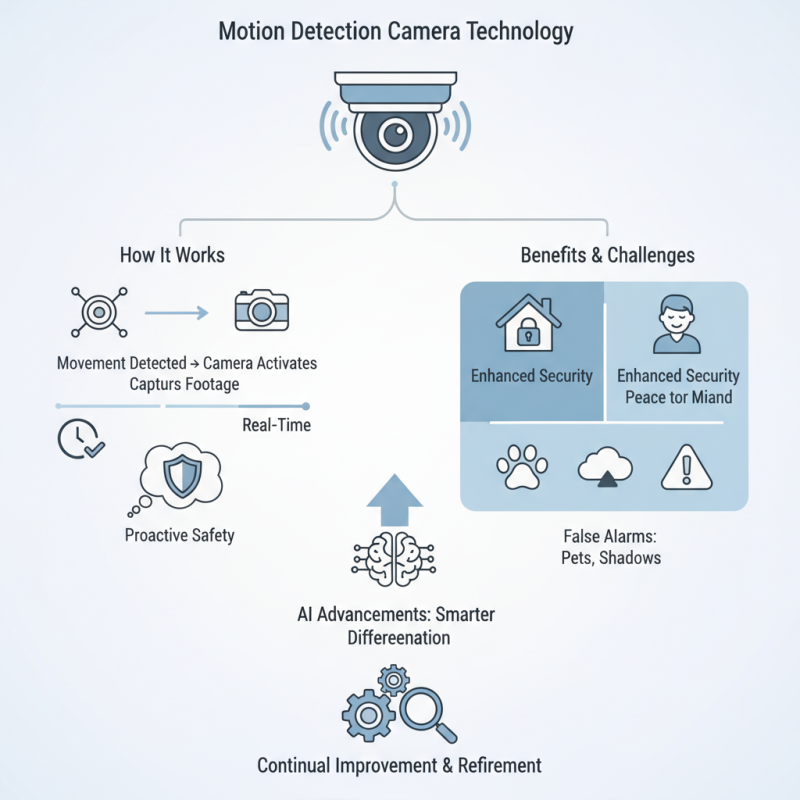
In recent years, the demand for security solutions has soared. One notable innovation is the Motion Detection Camera. This technology has transformed security by detecting movement and capturing it in real-time. Security expert Dr. Emily Chen states, “Motion Detection Cameras are crucial for proactive safety measures.”
These cameras work by utilizing sensors to detect motion. When movement occurs, the camera activates, ensuring nothing is missed. Many users find peace of mind in having these devices. However, there are concerns. False alarms can occur due to pets or shifting shadows. Such events can lead to frustration.
Despite this, advancements in AI are improving accuracy. Cameras are becoming smarter, learning to differentiate between actual threats and benign movements. This progress highlights the importance of continual improvement in technology. The potential benefits are clear, but the journey still requires reflection and further refinement.
What Is a Motion Detection Camera?
A motion detection camera is a sophisticated device designed to capture video or images of moving subjects. It uses various technologies, such as infrared sensors or video analytics, to detect motion. According to industry research, about 85% of security cameras now include motion detection features, highlighting their popularity in both residential and commercial sectors.
These cameras often feature adjustable sensitivity settings. This flexibility allows users to minimize false alarms from pets or passing cars. Studies suggest that proper configuration can reduce false alarms by up to 70%. However, even well-calibrated systems may still miss movements in certain conditions, such as low light or obstructions. Therefore, users should remain vigilant and regularly assess their equipment's performance.
The applications of motion detection cameras extend beyond security. They play a vital role in areas such as wildlife monitoring and traffic management. Data from the security industry indicates that employing these cameras can lead to a 30% decrease in break-ins. Yet, a single camera cannot provide comprehensive coverage. Therefore, strategic placement and multiple units are often necessary for robust surveillance.
Key Components of Motion Detection Cameras
Motion detection cameras are essential tools for enhancing security in various environments. The key components of these devices work together to create a reliable surveillance system. One major aspect is the sensor technology. Passive infrared (PIR) sensors detect changes in heat emitted by moving objects. This feature allows the camera to trigger recording, ensuring that every movement is captured effectively.
Image processing software is another crucial component. It analyzes the captured data and distinguishes between genuine motion and background noise. Through advanced algorithms, it reduces false alarms caused by small animals or environmental changes. This refinement adds efficiency to surveillance operations.
You may notice the limitations of some motion detection systems. For instance, cameras may struggle in low-light conditions, leading to grainy footage. Additionally, if the camera's field of view is obstructed, important events can go unrecorded. Addressing these shortcomings is vital for achieving optimal performance in security measures. Regular assessments and updates are important for maintaining the effectiveness of motion detection cameras. It's a continuous learning process.
What is a Motion Detection Camera and How Does It Work? - Key Components of Motion Detection Cameras
| Component |
Description |
| Image Sensor |
Captures light and converts it into an electronic signal to create an image. |
| Motion Detection Algorithm |
Analyzes changes in the image to detect movement based on preset thresholds. |
| Lens |
Focuses light onto the image sensor for clearer images. |
| Power Source |
Supplies necessary energy for camera operation, can be battery or wired. |
| Storage |
Holds recorded footage from the camera, often using SD cards or cloud services. |
| Connectivity |
Allows camera to connect to networks for remote viewing and notifications. |
| User Interface |
Enables user interaction for settings adjustment and viewing recordings. |
How Motion Detection Technology Works
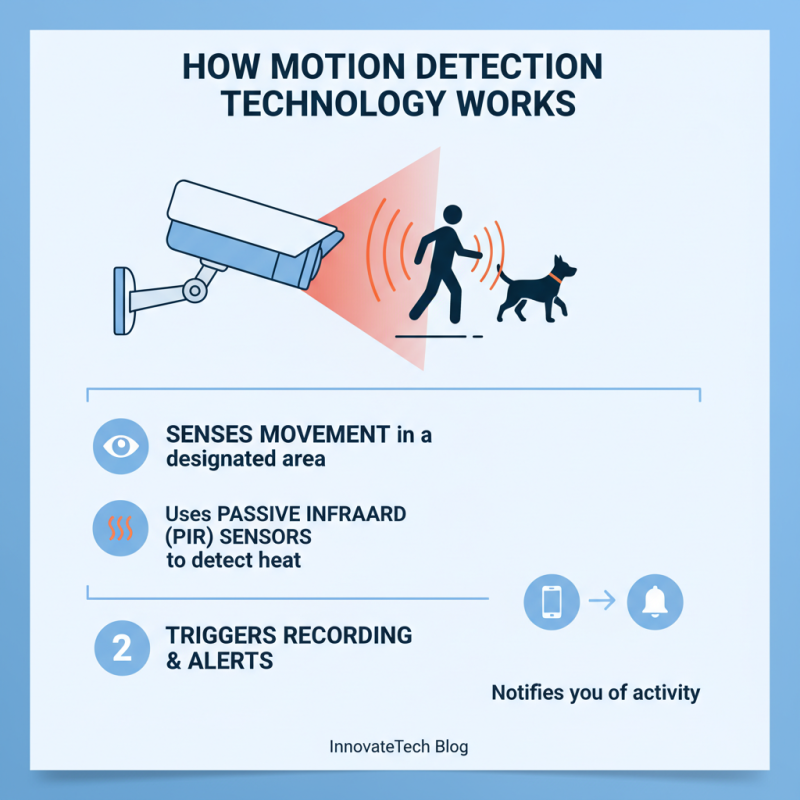
Motion detection technology is an innovative feature that many cameras now include. It works by sensing movement within a designated area. Cameras often use passive infrared sensors to detect heat emitted by moving objects, such as people or animals. This way, they can trigger recording and alert notifications.
The intelligence behind motion detection is fascinating. When a camera is activated, it scans the environment for changes in light and heat. If a significant shift occurs, it captures images or video. However, this system isn't flawless. Sometimes, pets or even shadows can trigger false alarms. These unintended activations can lead to frustration for users.
Many systems also allow for adjustments in sensitivity. Higher sensitivity can catch more motion but risks more false alerts. Conversely, lower sensitivity might miss actual events. Users must find a balance that suits their needs. Through experience, many discover the nuances of their devices. This understanding can enhance their security planning and usage.
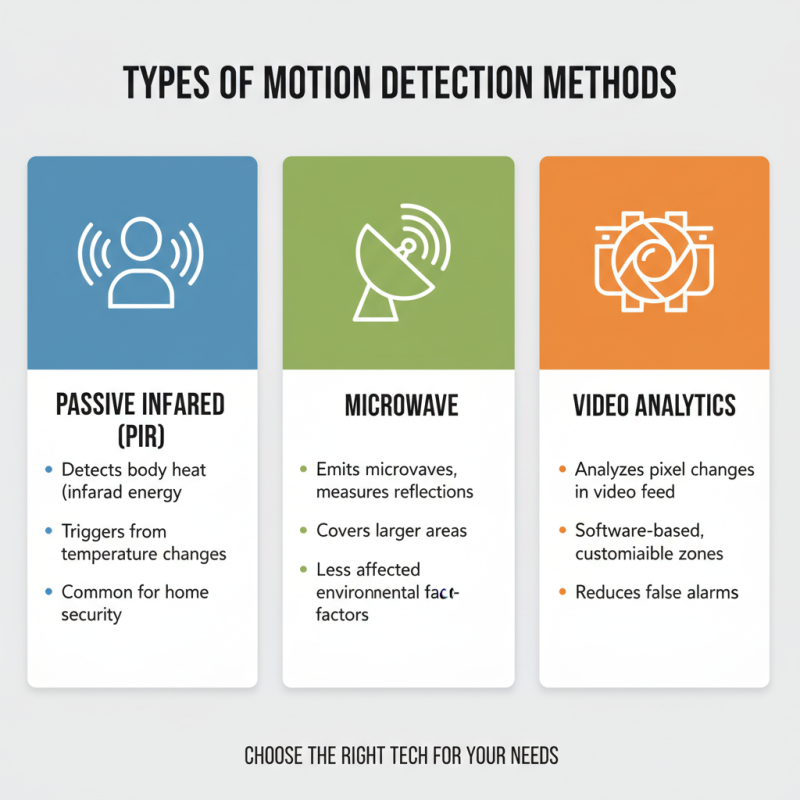
Types of Motion Detection Methods
Motion detection cameras are widely used for security and monitoring. Different types of motion detection methods are employed, each with unique features. Understanding these methods can help users choose the right technology for their needs.
Passive infrared (PIR) sensors are among the most common. They detect changes in heat from moving objects, like humans or animals. When a warm body passes by, the sensor triggers an alert. This method is effective in various environments. However, it can sometimes be activated by small animals or shifting objects, leading to false alarms.
Another prevalent method is video motion detection. This technique analyzes changes in video feed pixel values. When movement is detected, the system alerts the user. It allows for more complex monitoring, capturing detail in the environment. However, it requires advanced algorithms. These can sometimes misinterpret shadows or light changes as motion, necessitating careful calibration for accuracy. Each method offers benefits and drawbacks, with users needing to weigh these carefully based on their specific context.
Common Applications and Uses of Motion Detection Cameras
Motion detection cameras are vital in various fields. They serve as essential tools for security, wildlife monitoring, and even personal convenience. In security, these cameras provide an alert system for homes and businesses. They detect movement and send notifications. This feature helps prevent unauthorized access.
In wildlife observation, motion detection cameras record animal activity. Researchers use these devices to study behavior in natural habitats. They capture images without human interference. This non-intrusive method helps in understanding ecosystems better.
Moreover, they are becoming popular in smart home systems. Many homeowners integrate these cameras with alarms and lights. This integration enhances safety. However, there are concerns regarding privacy. Users must be cautious about how data is stored and shared. Balancing security and privacy is crucial.
Motion Detection Camera Applications