What is a Nanny Cam and How Does It Work?
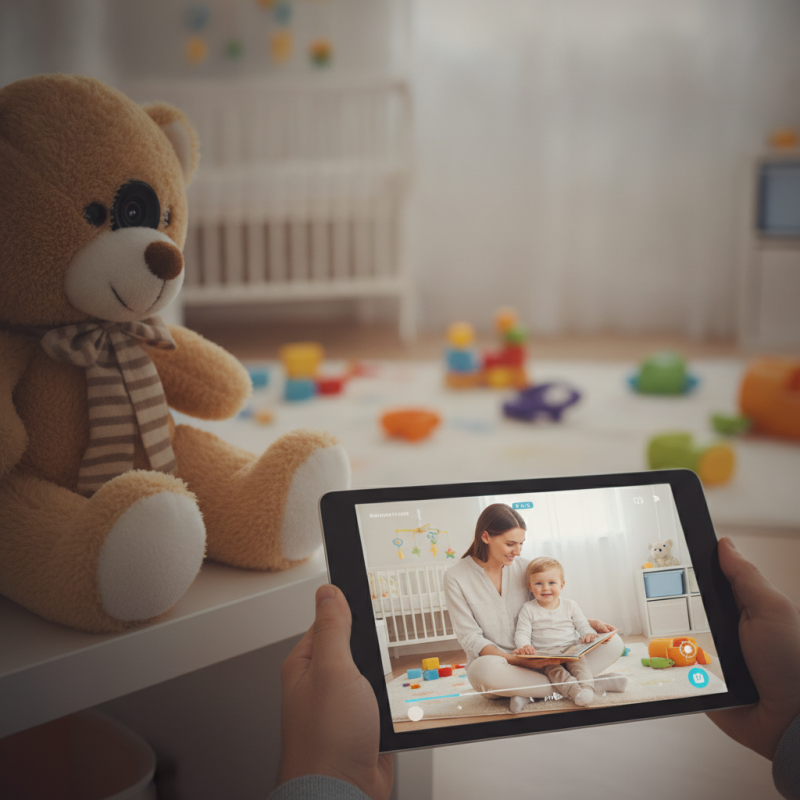
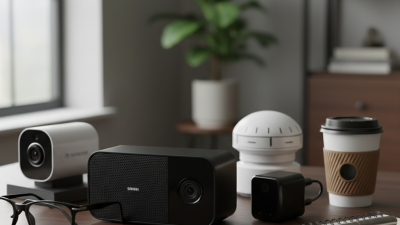
Nanny cams have gained popularity among parents seeking peace of mind. These discreet cameras help monitor childcare in real-time. A Nanny Cam can capture important moments and provide reassurance about a caregiver's activities.
Parents utilize these devices for multiple reasons. Trust issues sometimes arise with caregivers. Knowing a Nanny Cam is watching can alleviate worries. Additionally, these cameras can deter inappropriate behavior. Some parents might question their usage, fearing an invasion of privacy. Striking the right balance is crucial.
The technology behind a Nanny Cam is surprisingly simple. Many modern options connect to smartphones or tablets. This allows for instant viewing and recording. However, the ethical implications of using a Nanny Cam require careful consideration. Trust, safety, and communication with caregivers remain essential. Ultimately, a Nanny Cam should enhance the caregiving experience, not undermine it.
What is a Nanny Cam?
A nanny cam, or a surveillance camera used to monitor caregivers, has become a common household tool. These devices help parents ensure their child’s safety when they are away. In a recent survey, about 45% of parents reported using some form of surveillance technology in their homes. This highlights the rising trend of monitoring caregivers to foster trust and safety.
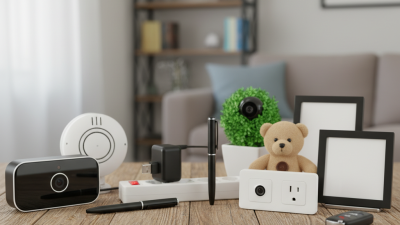
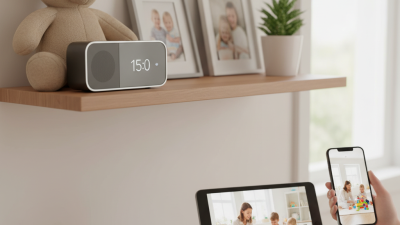
Nanny cams are designed to be discreet. They can be hidden in everyday items like clocks or picture frames. With advancements in technology, many models now offer smartphone connectivity. Parents can remotely access the live stream and receive alerts for any unusual activity. According to a report from the Consumer Technology Association, nearly 20 million households in the U.S. use smart home devices, which include nanny cams. This reflects a growing emphasis on security and peace of mind.
However, the use of nanny cams raises ethical questions. Some caregivers feel mistrusted when under constant surveillance. It's a reminder that while technology offers reassurance, it can also strain relationships. Balancing safety and privacy is essential. Parents must communicate openly with caregivers about monitoring practices. It’s a complex dance between ensuring safety for kids and respecting caregivers' dignity.
The History and Evolution of Nanny Cams
The concept of nanny cams emerged in the early 1990s. These devices were originally created to monitor caregivers in the home. Parents wanted to ensure their children are safe while under someone else's supervision. The first nanny cams were basic devices. They featured simple video recording capabilities and were difficult to conceal. Over time, technology advanced.
As the years passed, nanny cams underwent significant changes. Today, these cameras are small and discreet. They can be integrated into everyday objects, making them less noticeable. Many now offer live streaming capabilities and remote access via smartphones. This evolution reflects the growing demand for home security solutions. Parents seek peace of mind while navigating modern life.
However, the use of nanny cams raises ethical questions. Trusting someone with a child's care is crucial. The need to monitor can suggest underlying concerns about trust. Parents should balance security with respect for privacy. Open conversations with caregivers about these devices can foster mutual trust. Awareness of these dynamics is vital in creating a harmonious home environment.
How Nanny Cams Function and Operate
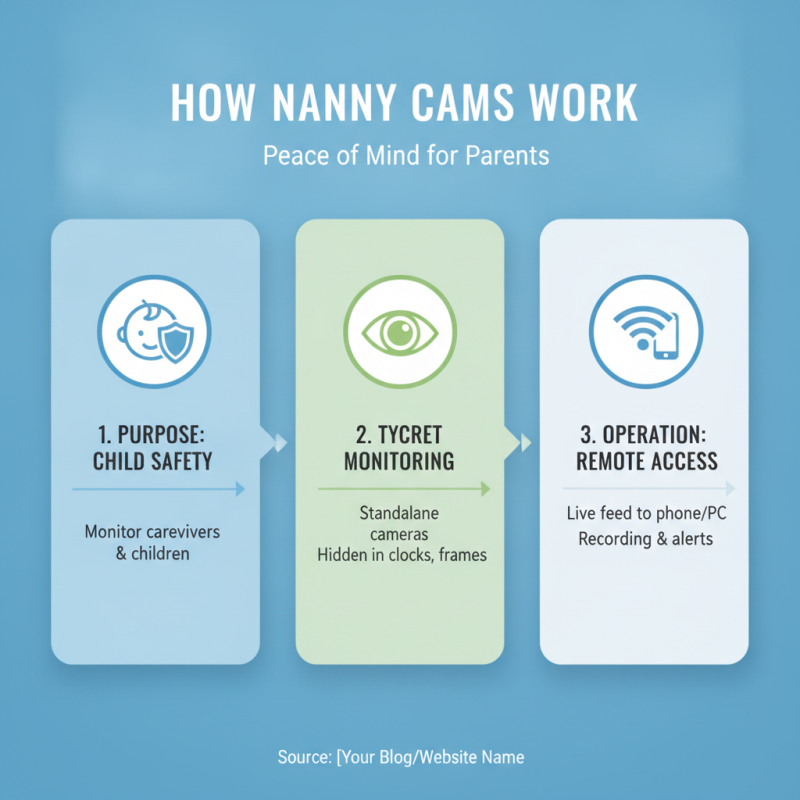
Nanny cams are surveillance cameras designed for monitoring caregivers, especially nannies. These devices have become popular among parents wanting to ensure their children's safety. They can come as standalone cameras or integrated into household items, such as clocks or picture frames.
Nanny cams function by connecting to Wi-Fi, allowing for real-time video streaming to your smartphone or tablet. Most models offer features like night vision, motion detection, and two-way audio. This means you can listen and talk to your child or caregiver remotely.
When installing a nanny cam, consider the best locations. Place it in common play areas but avoid bedrooms for privacy reasons. Ensure that the camera is hidden but not too concealed, so it does not violate trust.
**Tips:** Always inform your nanny or caregiver of the camera. Transparency fosters trust and sets clear expectations. Test the camera's functionality before relying on it. Weak Wi-Fi can disrupt the feed. Regularly check the footage to stay updated on your child’s activities.
Different Types of Nanny Cams Available Today
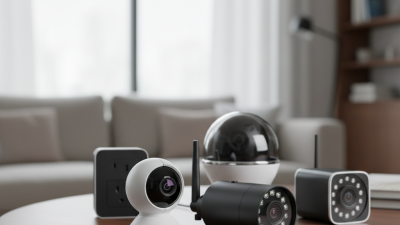
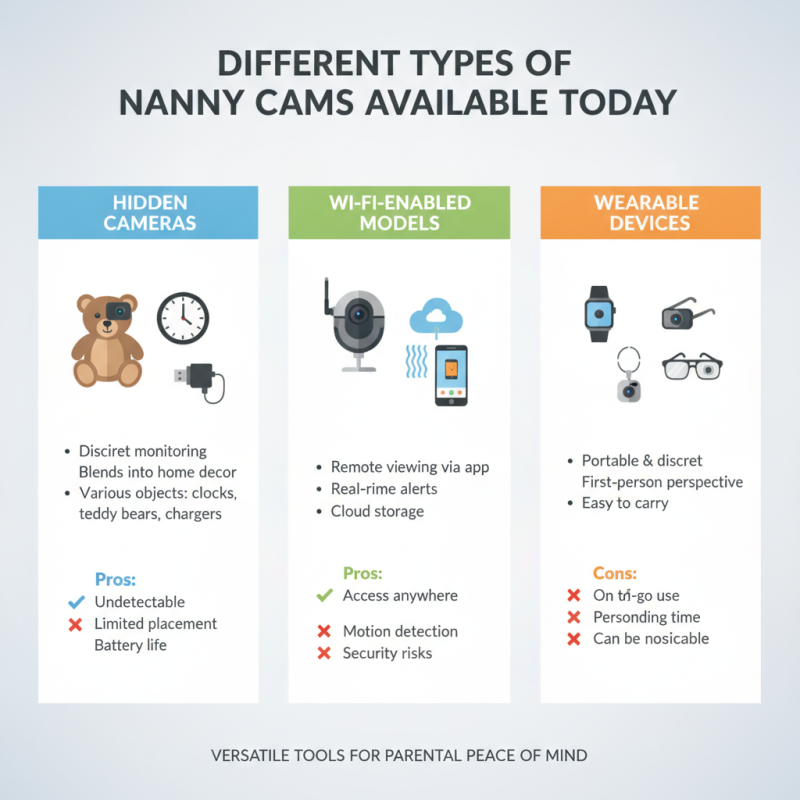
Nanny cams are versatile tools that many parents use to monitor caregivers. Today, several types of nanny cams cater to diverse needs. Some common options include hidden cameras, Wi-Fi-enabled models, and wearable devices. Each type has its own benefits and limitations.
Hidden cameras blend seamlessly into your home environment. They can look like everyday objects, such as picture frames or smoke detectors. This discreet nature allows for unobtrusive monitoring. However, be cautious—it’s important to communicate your surveillance in some instances to maintain trust.
Wi-Fi-enabled nanny cams offer real-time video streaming via smartphones. Their convenience allows you to check in on your child anytime, from anywhere. Yet, be aware of potential security risks when connecting devices to the internet. Safeguarding your home’s Wi-Fi network is crucial.
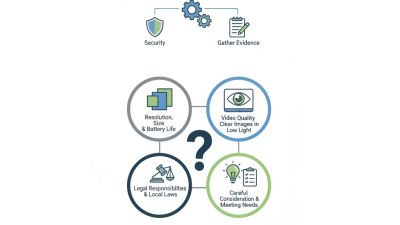
When choosing a nanny cam, think about your priorities. Consider factors like image quality, storage options, and ease of use. Reflect on how visible or hidden you want the camera to be. Each decision shapes your monitoring experience. Reassess your needs regularly as circumstances change.
Legal and Ethical Considerations of Using Nanny Cams
Using nanny cams raises important legal and ethical questions. These cameras can provide peace of mind for parents, but they may also infringe on privacy. In many jurisdictions, it’s essential to notify caregivers that they’re being recorded. This ensures compliance with local laws. Failing to do so can lead to legal ramifications and trust issues between families and caregivers.
Though nanny cams can help in monitoring a child's safety, consider the implications of surveillance. Is constant monitoring necessary? Could it create an environment of distrust? Families should reflect on these questions before installation. Open communication with caregivers about the intent and use of the camera fosters a healthier relationship.
Tips: Transparency is key. Always inform your nanny about the camera. Establish clear boundaries regarding usage. Ensure the monitoring aligns with mutual respect. Discuss the information shared with others, and respect everyone's privacy in the data collected. Think critically about your motivations too; consider if the cam versus trust option is the right choice for your family.
What is a Nanny Cam and How Does It Work? - Legal and Ethical Considerations of Using Nanny Cams
| Aspect |
Description |
| Definition |
A Nanny Cam is a hidden camera used by parents to monitor caregivers, such as nannies, while they look after their children. |
| Technology |
Nanny Cams can be wired or wireless and may feature live streaming, recording capabilities, motion detection, and smartphone integration. |
| Legal Considerations |
Laws vary by state regarding privacy and consent when using Nanny Cams; recording without consent may be illegal in certain jurisdictions. |
| Ethical Considerations |
Ethical dilemmas include trust issues with caregivers, potential invasion of privacy, and the impact of surveillance on caregiver performance. |
| Alternatives |
Alternatives to Nanny Cams include regular check-ins, daily logs, and establishing open communication with caregivers. |