Why Surveillance Cameras are Essential for Modern Security Solutions?
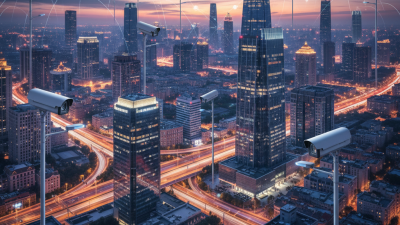
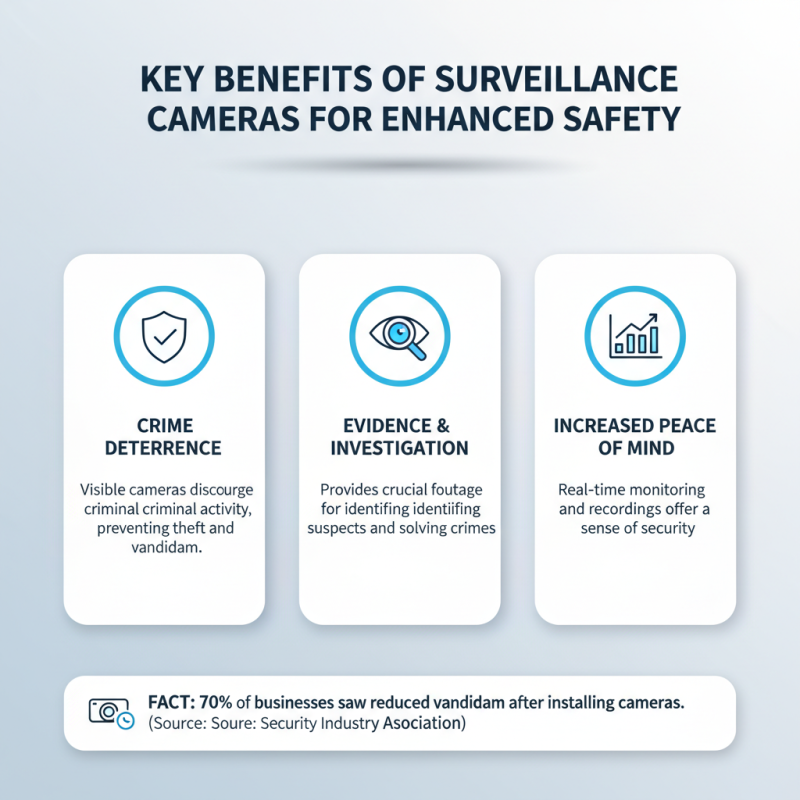
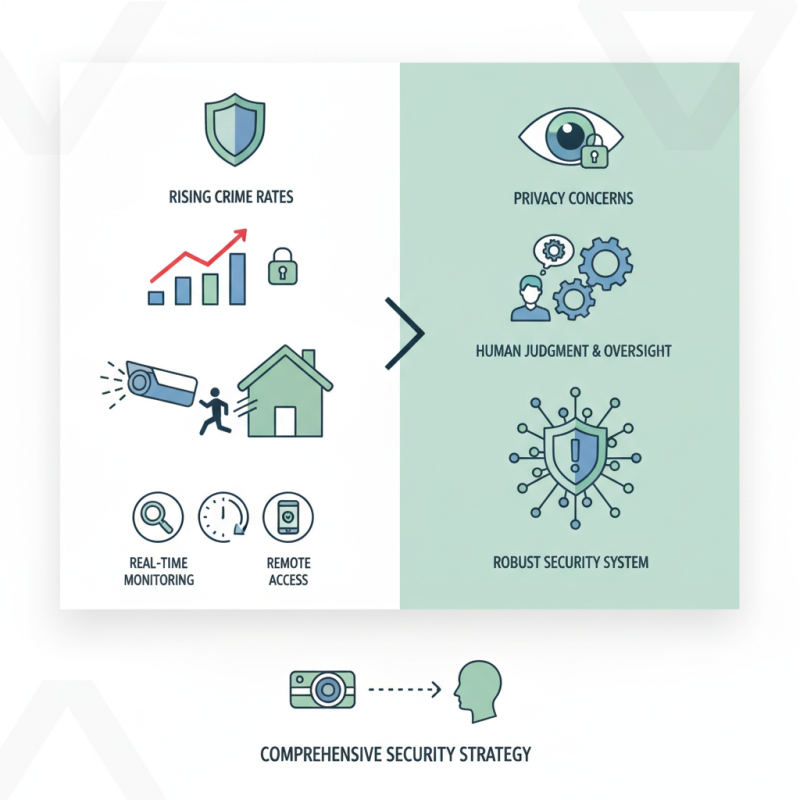
In today's world, the need for security is paramount. Crime rates and safety concerns continue to rise. A Surveillance Camera serves as a critical tool in modern security solutions. These devices act as deterrents to potential criminals. They provide real-time monitoring, which is invaluable for both businesses and residential areas.
Surveillance Cameras have evolved significantly over the years. They now offer high-definition video, night vision, and remote access. Such features enhance their effectiveness in protecting properties. However, it is important to address privacy concerns surrounding their use. Balancing security and personal privacy is a challenge that must be navigated carefully.
While Surveillance Cameras are effective, they are not a universal solution. Human oversight is still required for effective crime prevention. Training staff to interpret camera footage is crucial. The integration of technology with human judgment creates a robust security system. Thus, while Surveillance Cameras play an essential role, they are only one part of a larger security strategy.
The Evolution of Surveillance Cameras in Security Solutions
Surveillance cameras have undergone significant transformations, shaping modern security solutions. Early models were basic, providing limited clarity. However, advancements in technology have led to high-definition cameras that capture detailed images. Today’s systems include features like facial recognition and motion detection. These innovations enhance security measures considerably.
Despite these advancements, challenges remain. Privacy concerns have emerged alongside increased surveillance. Balancing security needs and individual rights is a complex issue. Not everyone feels comfortable being monitored constantly. Moreover, technological failures can lead to missed opportunities in crime prevention. The reliability of surveillance systems must be continuously evaluated.
The integration of artificial intelligence has further refined surveillance capabilities. AI can analyze footage in real-time, identifying unusual behaviors. This proactive approach can deter crime before it occurs. However, the reliance on technology also raises questions about data security. Protecting sensitive information collected by these systems is vital. As surveillance cameras evolve, so must our understanding of their ethical implications.
Integration of Surveillance Cameras with Modern Technology
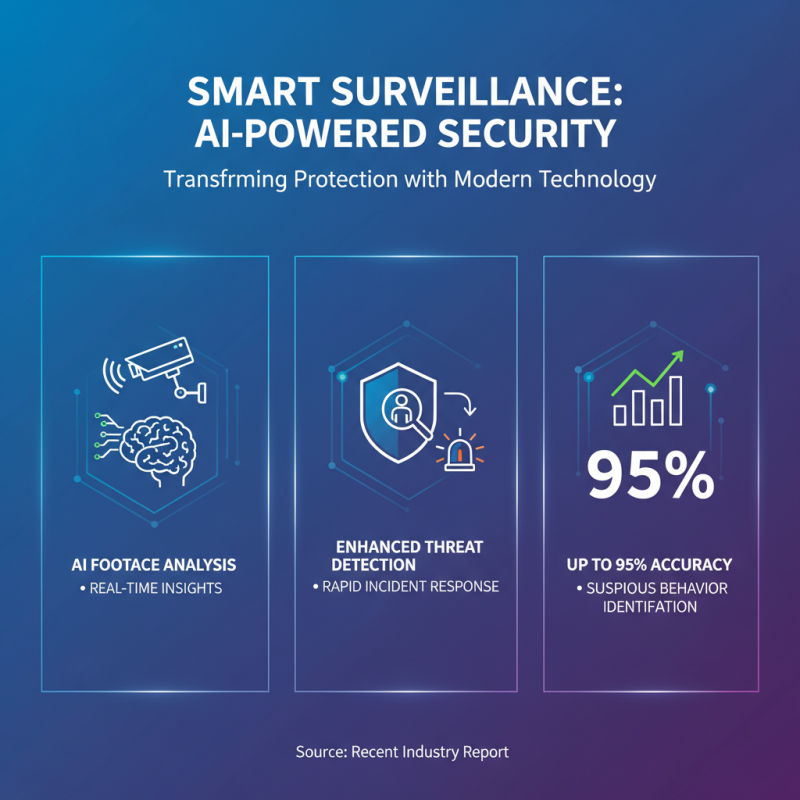
The integration of surveillance cameras with modern technology has transformed security solutions. Today, many systems utilize Artificial Intelligence (AI) to analyze footage in real-time. This capability enhances threat detection and speeds up incident response. According to a recent industry report, AI-driven security cameras can identify suspicious behavior with up to 95% accuracy, far exceeding traditional monitoring methods.
Moreover, cloud technology has made accessing surveillance data more convenient. This integration allows users to view live feeds from anywhere, on various devices. A 2022 study found that companies using cloud-connected systems reported a 35% decrease in security incidents. However, the reliance on cloud services also raises questions about data privacy and security. Without robust encryption, sensitive footage could be vulnerable to breaches, highlighting the need for ongoing evaluation of security measures.
Incorporating IoT (Internet of Things) devices is another advancement. Smart sensors can detect unusual movements, triggering alerts for immediate investigation. While these innovations improve safety, they also invite potential exploitation by cybercriminals. Maintaining a balance between leveraging technology and protecting privacy remains a significant challenge for organizations today.
Legal and Ethical Considerations in Using Surveillance Cameras
The use of surveillance cameras in public and private spaces raises significant legal and ethical questions. A report from the American Civil Liberties Union (ACLU) indicates that approximately 70% of Americans are concerned about being surveilled without consent. This highlights the critical need for transparency when implementing surveillance technology.
Institutions using cameras must inform individuals about their presence.
Furthermore, the ethical implications of constant monitoring cannot be overlooked. A study published in "Surveillance & Society" notes that while cameras can deter crime, they can also foster a culture of mistrust. Only 40% of people believe that surveillance improves safety. This suggests that the perception of security may not always align with reality. Organizations must balance safety with individual privacy rights. Engaging in open dialogues about surveillance practices can build trust.
Legal frameworks vary widely across regions. For instance, in the European Union, the General Data Protection Regulation (GDPR) mandates strict rules on data collection. Compliance with laws like GDPR is crucial for organizations. However, many entities remain unaware of their legal obligations. This gap presents a potential risk for misuse of surveillance technologies. Responsible usage of cameras is essential in ensuring they serve their intended purpose without infringing on rights.
Best Practices for Implementing Surveillance Camera Systems
Implementing a surveillance camera system requires careful planning. Begin by assessing the specific security needs of your environment. Consider factors such as size, layout, and potential risks. A detailed evaluation ensures that cameras are placed in key areas. These areas may include entrances, parking lots, and blind spots. Identifying these zones helps enhance coverage and minimize vulnerability.
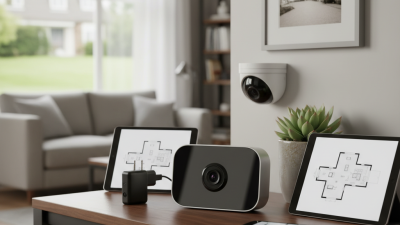
Choosing the right technology is crucial. High-definition cameras can capture clear images and details. Night vision capabilities are essential for low-light conditions. Moreover, ensuring that cameras are weather-resistant is important in outdoor settings. Regular maintenance of equipment helps maintain functionality. A neglected camera can create blind spots, undermining your security efforts.
Training staff is also a vital part of the process. Employees should understand how to monitor camera feeds and report suspicious activity. Engaging staff in the security protocol fosters a culture of vigilance. This involvement can be challenging, as some may not prioritize security. However, open discussions about the importance of surveillance create awareness and dedication. Each aspect contributes to a more effective security solution.
Why Surveillance Cameras are Essential for Modern Security Solutions? - Best Practices for Implementing Surveillance Camera Systems
| Dimension |
Details |
| Purpose |
Enhance security, deter crime, monitor activity |
| Types of Cameras |
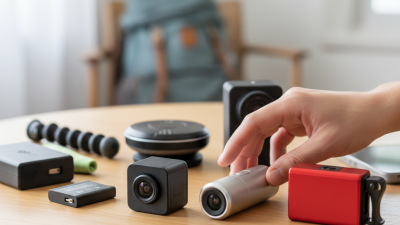
Dome, Bullet, PTZ (Pan-Tilt-Zoom), IP Cameras |
| Key Features |
HD Resolution, Night Vision, Motion Detection |
| Installation Considerations |
Strategic placement, power supply, network connectivity |
| Legal Compliance |
Follow privacy laws, notify public of surveillance |
| Data Storage |
Local storage vs. cloud storage solutions |
| Monitoring Options |
Live monitoring vs. recorded footage review |
| Integration |
Link with alarm systems, access controls, and IoT devices |
| Maintenance |
Regular checks, lens cleaning, software updates |
| Benefits |
Reduced crime rate, increased safety, evidence collection |