Top Covert Cameras for Discreet Surveillance Needs?
In today's world, discreet surveillance is becoming increasingly important. A covert camera can provide peace of mind while ensuring privacy is respected. Whether for home security or personal safety, these devices are designed to blend seamlessly into everyday environments.
Choosing the right covert camera requires careful consideration. There are many options available, each with unique features. Factors such as size, resolution, and battery life can impact its effectiveness. Users must also weigh the importance of video quality against the need for discretion.
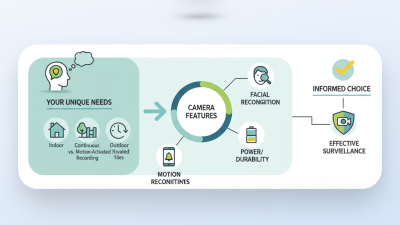
Many people often overlook the importance of understanding their specific needs. A camera that works well in one situation may not be ideal in another. Focusing on your unique surveillance needs will lead to more informed decisions. Finding the perfect covert camera can empower individuals, allowing them to safeguard their environments discreetly.
Understanding Covert Cameras and Their Applications
Covert cameras are crucial for discreet surveillance across various settings. Understanding their applications helps you choose the right device for your needs. These cameras blend seamlessly into environments, making them ideal for security and monitoring purposes.
When selecting a covert camera, consider its resolution and field of view. Higher resolution provides clearer images for better identification. A wider field of view ensures broader coverage of the area being monitored. Additionally, look for features like motion detection and night vision, which can enhance effectiveness.
Tips: Always assess your local regulations before installation. Improper use can lead to legal issues. Regularly check your camera's functionality to ensure it operates correctly when you need it. Avoid placing cameras in high-traffic areas where they may be easily noticed or tampered with. Balancing discretion and effectiveness can be challenging, but careful planning can make a significant difference.
Factors to Consider When Choosing Covert Cameras
When choosing covert cameras, several factors deserve careful consideration. The camera’s resolution is crucial. Higher resolution provides clearer images, making it easier to identify subjects. Meanwhile, the field of view plays a significant role in capturing the desired area effectively. A wide field of view can cover larger spaces but may lead to distortion.
The design and size of the camera should also be evaluated. Smaller cameras are easier to hide, providing discreet surveillance. However, tiny cameras may sacrifice battery life or features. Battery life is essential, especially for prolonged surveillance. Some cameras offer rechargeable options, while others rely on disposable batteries.
Connectivity options matter too. Wireless cameras provide flexibility in placement, but may be vulnerable to hacking. Ensure the camera has secure data encryption to protect sensitive information. Always consider the environment where the camera will be used. For instance, outdoor cameras need weatherproof casing, while indoor models may prioritize aesthetics.
Ultimately, the choice should reflect personal surveillance needs. Balancing quality and discretion can be challenging. It’s important to weigh each feature carefully. Evaluate how each element meets your specific needs before making a decision.
Top Covert Cameras for Discreet Surveillance Needs
| Camera Type |
Resolution |
Battery Life |
Field of View |
Storage Type |
Audio |
| Button Camera |
1080p |
4 hours |
90° |
SD Card |
Yes |
| Wall Charger Camera |
720p |
Continuous |
120° |
Cloud Storage |
No |
| Smoke Detector Camera |
1080p |
5 hours |
100° |
SD Card |
Yes |
| USB Charger Camera |
1080p |
10 hours |
85° |
SD Card |
Yes |
| Nanny Camera |
4K |
6 hours |
100° |
Cloud Storage |
Yes |
Popular Types of Covert Cameras for Discreet Surveillance
Covert cameras have gained popularity due to their versatility in discreet surveillance.
Common types include pinhole cameras, disguised cameras, and portable models.
Pinhole cameras are small and can be tucked away easily. They offer high resolution and are perfect for monitoring without drawing attention.
An industry report from MarketsandMarkets indicates that the global market for covert surveillance equipment is expected to grow by 12.1% annually.
Disguised cameras, which resemble everyday items such as smoke detectors or wall clocks, are widely used in various settings.
These cameras blend seamlessly into the environment, making it difficult for individuals to notice them.
A study by Statista shows that over 45% of businesses use this type of surveillance to enhance security measures.
However, ensuring these cameras meet privacy regulations remains a critical concern.
Portable models offer flexibility, allowing users to set up surveillance in various locations. Many come equipped with features like Wi-Fi connectivity and motion detection.
However, they often lack the battery life needed for extended surveillance sessions. Users must weigh convenience against the need for reliable power sources.
As demand grows, the technology behind these devices continues to evolve, presenting new challenges for ethical usage in surveillance.
Top Features to Look for in Effective Covert Cameras
When selecting covert cameras for discreet surveillance, certain features stand out. Resolution is crucial for clarity. A minimum of 1080p is recommended for detailed images. Some studies show that high-resolution footage increases identification rates by over 40%. This clarity can be essential for retrieving evidence in various situations.
Another key aspect is battery life. Devices that can last several hours without a charge are preferable for prolonged surveillance. Surprisingly, many users overlook this feature. A reliable battery can enhance the overall effectiveness of surveillance efforts. Additionally, cameras with motion detection capabilities can conserve battery life significantly.
Tip: Consider a camera with Wi-Fi capabilities. This feature allows for remote monitoring. It adds convenience, especially in high-stakes situations.
Size and design matter too. Smaller cameras blend into environments better than larger ones. A compact camera can go unnoticed, making it ideal for discreet monitoring. Yet, not all small cameras deliver quality results. Be cautious when selecting based on size alone. Functionality should always come first.
Maintaining Privacy and Legality While Using Covert Surveillance
Covert surveillance can be a powerful tool in various situations. Yet, it comes with significant responsibilities regarding privacy and legality. A recent survey showed that 75% of individuals are concerned about their privacy in public spaces. This highlights the need for ethical practices in covert surveillance.
Understanding legality is crucial. Many regions have strict laws governing the use of covert cameras. For instance, placing these devices in private areas without consent is often illegal. Always familiarize yourself with local law before deployment. Ignorance can lead to severe consequences. Ethical considerations are just as important. Transparency about surveillance can foster trust while ensuring compliance.
Data indicates that 62% of people are more comfortable with surveillance when informed about its purpose. This suggests that individuals may accept discreet monitoring if they understand its intent. Balancing effective surveillance and maintaining privacy is complex. Thoughtful planning and clear communication can help navigate these challenges.