Top 10 Surveillance Cameras in China What Makes Them the Best?
Surveillance cameras play a critical role in enhancing security and monitoring. As urban areas grow and technology advances, the demand for effective surveillance systems increases. According to Dr. Liu Wei, a leading expert in surveillance technology, "The right surveillance camera can transform safety measures in any environment." This statement underlines the importance of choosing the best models available.
In China, the surveillance camera market is booming. With numerous options available, selecting the most reliable and high-quality devices can be overwhelming. Many brands tout impressive features, but only a handful truly deliver in real-world applications. The best cameras offer superior image quality, durability, and innovative technology.
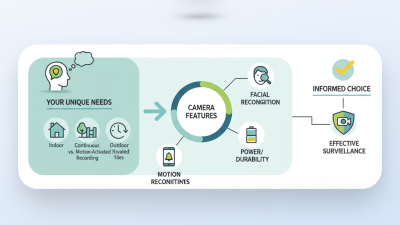
However, not all surveillance cameras are created equal. Some may fall short in performance or cost-effectiveness. Potential buyers should evaluate their specific needs and do thorough research. Armed with expert insights and real user experiences, individuals can make informed decisions. The right choice not only enhances security but also instills peace of mind.

Overview of Surveillance Camera Technology in China
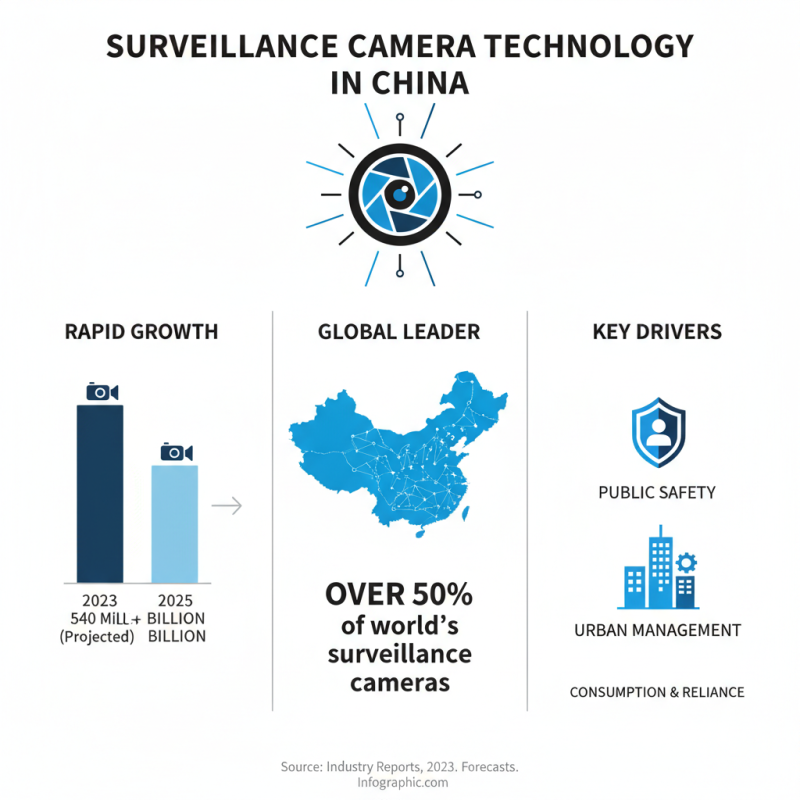
Surveillance camera technology in China has experienced remarkable growth over the past decade. The country hosts over 540 million surveillance cameras, with a projection to increase this number to 1 billion by 2025. This surge indicates not only the consumption but also the reliance on video surveillance for public safety and urban management.
The Chinese market has shifted towards AI-enhanced surveillance solutions. According to a recent report by Statista, the global market for video surveillance systems is expected to reach USD 62 billion by 2023. In China, AI integration allows for smart facial recognition and behavior analysis. However, despite advancements, there are challenges with data privacy and ethical concerns. Consumers are becoming more aware of how their information can be utilized.
Moreover, the effectiveness of surveillance systems depends heavily on infrastructure. Insufficient network coverage or inadequate storage can impede performance. Regular maintenance remains a challenge for many operators. The reliance on technology raises questions about security and reliability. Continuous advancements are needed to ensure protective measures remain robust against evolving threats.
Criteria for Evaluating the Best Surveillance Cameras
When evaluating the best surveillance cameras, clarity of image is paramount. A high resolution ensures clear identification of faces and objects. The ability to function in low light conditions is also essential. Many incidents occur at night, making night vision capability a vital feature.
Durability matters too. Cameras should withstand various weather conditions, especially in outdoor settings. Look for models with robust casings and resistance to dust and water. Additionally, ease of installation and user-friendly interfaces can enhance overall satisfaction. Complex systems may discourage use, which is counterproductive.
Regular software updates are another critical area. These ensure security features remain effective against potential threats. However, some cameras may lack consistent support. Users can find themselves vulnerable without the latest firmware. Understanding these factors can significantly impact choosing the right surveillance camera.
Top 10 Surveillance Cameras: Features and Specifications
When selecting surveillance cameras, several features stand out. Video resolution is crucial. High-definition (HD) cameras provide clearer images, aiding in identification. Look for cameras that offer at least 1080p resolution for optimal performance.
Night vision capabilities are also essential. Many modern cameras use infrared technology to capture clear footage in low light. This feature is invaluable for round-the-clock security. Durability matters too. Cameras designed for outdoor use should withstand various weather conditions.
Connectivity options can vary widely. Some cameras offer Wi-Fi, allowing for remote viewing. Others may use wired connections for increased reliability. Consider the ease of installation as well. Some models are user-friendly, making setup quick and hassle-free.
Despite advancements, some systems still lag in performance. Issues like false alerts can occur with motion detection features. It’s important to continuously assess and adjust settings for optimal results. This adaptability reflects a camera's reliability in real-world scenarios.
Top 10 Surveillance Cameras in China: Key Features
This chart illustrates the key features of the top surveillance cameras in China, comparing their resolution, night vision capabilities, field of view, storage capacity, and price.
Comparative Analysis of Performance and Reliability
Surveillance cameras are vital for maintaining security in various environments. A comparative analysis of their performance and reliability reveals several key factors determining their effectiveness. The latest industry reports indicate that image resolution significantly influences surveillance quality. Cameras with a resolution of 4 MP or higher deliver sharper images, facilitating better facial recognition. However, it's essential to consider that higher resolution often requires more storage space, which can be a drawback for long-term monitoring.
Another critical aspect is low-light performance. Cameras equipped with infrared capabilities can capture clear footage in darkness. A study by the Surveillance Industry Association found that 65% of security breaches occur at night, highlighting the necessity of this feature. Keep in mind, though, that excessive reliance on infrared may result in grainy images if not well-calibrated.
Tips: When selecting a surveillance system, prioritize features that cater to your specific security needs. Also, consider opting for systems with cloud storage options, as they offer reliability and ease of access. Regularly assess and adjust your camera placements to ensure optimal coverage. Remember, the most expensive options may not guarantee the best outcomes; evaluating performance based on your unique context is crucial.
User Feedback and Market Trends in Surveillance Camera Usage
Surveillance cameras have become essential for security in various environments. Understanding user feedback can reveal what features matter most. Many users prioritize image quality and clarity. High-definition video allows for detailed monitoring, which is crucial for identifying faces or license plates. However, not all users find these features necessary.
Market trends show that users increasingly want smart technology in their surveillance systems. Features like motion detection and remote access have gained popularity. A significant proportion of users appreciate the ability to view live feeds on mobile devices. Yet, some feedback highlights usability issues. Complicated interfaces can deter people from using these systems effectively.
User satisfaction fluctuates based on installation experiences. Some customers report challenges during setup. This inconsistency can lead to frustration, affecting overall views on surveillance cameras. Reliability remains a concern, with some systems failing under certain conditions. Striking a balance between technology and user-friendliness is crucial. Enhancing such experiences will be vital for evolving market dynamics.
Top 10 Surveillance Cameras in China What Makes Them the Best? - User Feedback and Market Trends in Surveillance Camera Usage
| Rank |
Camera Type |
Resolution |
Key Features |
User Rating |
Market Share (%) |
| 1 |
Bullet Camera |
4MP |
Night Vision, Motion Detection |
4.8 |
25% |
| 2 |
Dome Camera |
5MP |
Vandal Proof, Wide Angle |
4.7 |
20% |
| 3 |
PTZ Camera |
4MP |
360° Rotation, Remote Control |
4.6 |
15% |
| 4 |
Bullet Camera |
1080P |
Weatherproof, Easy Setup |
4.5 |
18% |
| 5 |
Dome Camera |
2MP |
Infrared, Easy Installation |
4.4 |
10% |
| 6 |
Fixed Camera |
8MP |
High Resolution, Low Light |
4.3 |
12% |
| 7 |
Smart Camera |
4MP |
AI Features, Remote Access |
4.2 |
8% |
| 8 |
Box Camera |
6MP |
Interchangeable Lenses |
4.1 |
6% |
| 9 |
360° Camera |
3MP |
Full Coverage, Panoramic View |
4.0 |
5% |
| 10 |
Wireless Camera |
1080P |
Easy Setup, Wi-Fi Enabled |
3.9 |
4% |