2026 How to Use Hidden Camera Effectively and Responsibly?
In an era where technology intertwines with daily life, the use of a hidden camera has gained popularity. These devices can serve various purposes, from security monitoring to capturing genuine moments. However, employing a hidden camera requires careful consideration of both ethical standards and potential risks.
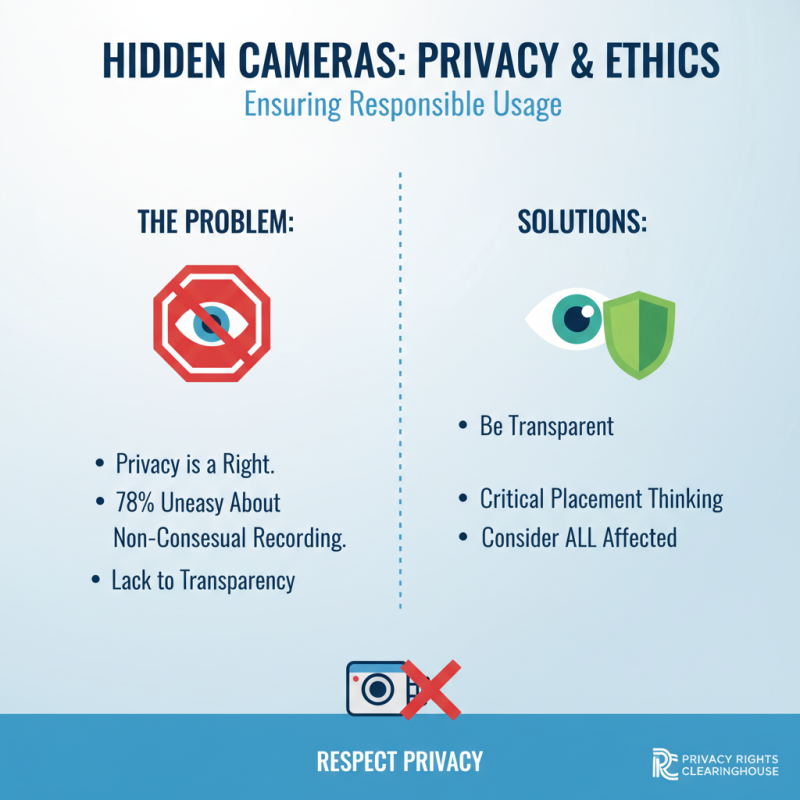
Understanding the balance between privacy and necessity is crucial. While hidden cameras can enhance safety, they can also violate personal privacy. It is vital to reflect on the implications of watching others without their knowledge. Society often grapples with these moral dilemmas, making it essential to approach hidden camera use responsibly.
Additionally, knowing how to use hidden cameras effectively can make a difference. Factors such as placement, purpose, and context matter greatly. Thoughtful execution can yield positive outcomes. However, overlooking legal guidelines and ethical considerations may lead to serious repercussions. Exploring these aspects ensures that hidden cameras contribute positively to our lives.
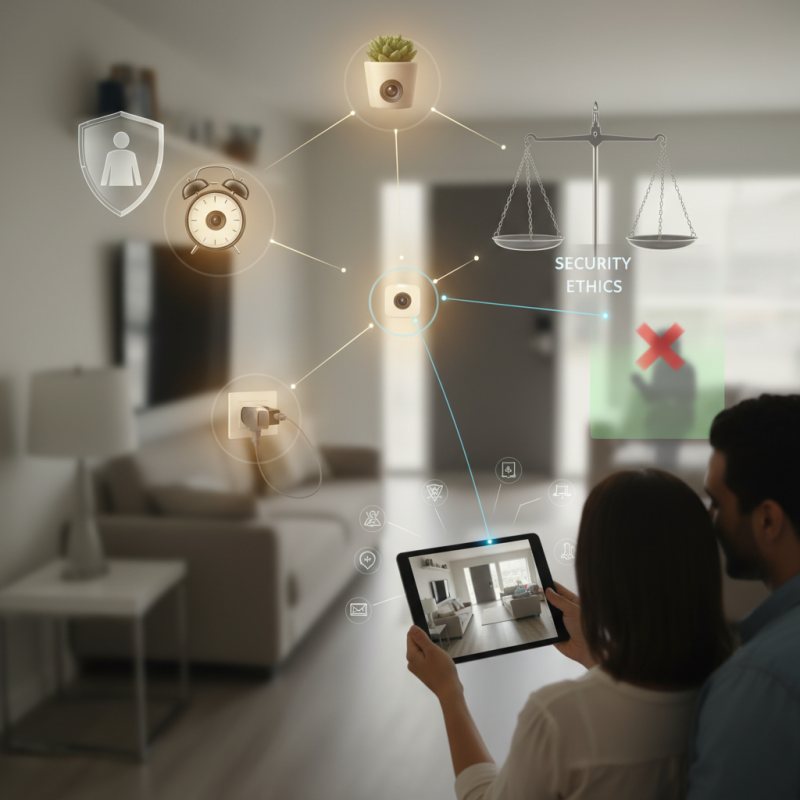
Understanding the Legal Framework for Hidden Camera Use
Understanding the legal framework for hidden camera use
is crucial for ethical practices. In most jurisdictions, consent is a major factor. This means you often need permission from anyone being recorded. Engaging in hidden camera use without consent might lead to legal troubles. Familiarize yourself with local laws. Privacy regulations can vary widely.
It's important to consider the context of surveillance. For example, installing a camera in a shared space may have different implications than in personal areas. Transparency can help maintain trust. On the flip side, using hidden cameras can raise ethical questions, even when legal. Reflecting on the moral implications is essential.
Always document your intentions and methods. Keeping a record helps clarify your purpose. It also serves as a reminder of the responsibilities that come with surveillance. Engaging in hidden camera use can be a double-edged sword. Balance your objectives with respect for privacy. This can lead to responsible and effective use.
Identifying Appropriate Situations for Using Hidden Cameras
Identifying appropriate situations for using hidden cameras requires careful consideration. These devices can serve important functions, such as enhancing security or monitoring vulnerable individuals. Industry research indicates that over 30% of households invest in surveillance systems for safety. However, such use must align with ethical standards and local regulations.
Hidden cameras can be effective in protecting property or ensuring child safety in sensitive environments. For instance, childcare facilities often install cameras to maintain transparency. A report showed a 25% reduction in incidents when parents knew cameras were present. Yet, potential ethical dilemmas exist. Trust between caregivers and parents can be strained if surveillance feels overtly invasive.
Critics argue that monitoring can infringe on privacy rights. It's important to reflect on when hidden cameras cross the line. Situations like employee monitoring often require clear policies. Misuse of hidden cameras can lead to legal consequences and a loss of public trust. Striking a balance between security and respect for privacy is essential when deploying these tools.
Use of Hidden Cameras in Various Situations
Best Practices for Setting Up Hidden Cameras for Maximum Effectiveness
Using hidden cameras can be effective for various security and monitoring purposes. However, ethical considerations are paramount. To maximize their effectiveness while being responsible, proper setup is essential.
Choosing the right location is key. Install cameras in areas where behavior needs monitoring, ensuring unobstructed views. Consider height, angle, and lighting conditions. Low-light situations may require special equipment. Ensure that the camera blends in with the environment. This minimizes detection and allows for more natural behavior.
Tip: Test the camera functionality beforehand. Ensure it captures clear images and videos. Adjust settings based on the environment. Also, maintain a backup power source for unexpected outages.
Privacy is crucial. Inform individuals about potential surveillance when legally required. Respect personal spaces. Use hidden cameras to promote safety, not to invade privacy. This helps establish trust and prevents negative backlash.
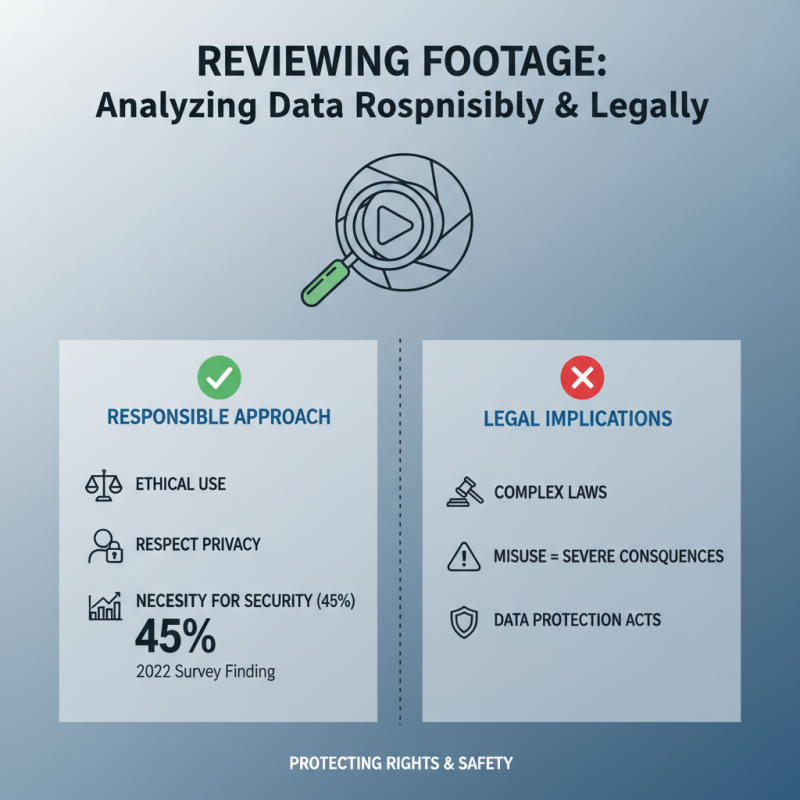
Tip: Regularly review footage. This ensures the camera operates effectively. Keep records of incidents for accountability. Reflect on the need for surveillance and make adjustments as necessary.
2026 How to Use Hidden Camera Effectively and Responsibly? - Best Practices for Setting Up Hidden Cameras for Maximum Effectiveness
| Best Practice |
Description |
Importance |
Recommended Locations |
| Understand Legal Restrictions |
Ensure compliance with local privacy laws before setting up hidden cameras. |
Prevents legal issues and breaches of privacy. |
Public areas, workplaces. |
| Select Optimal Camera Placement |
Position cameras in areas where monitoring is most needed and effective. |
Maximizes effectiveness of surveillance. |
Entrance/exit points, high traffic areas. |
| Ensure Proper Lighting |
Use cameras with night vision or ensure significant lighting in monitored areas. |
Improves image quality and effectiveness during low light conditions. |
Outdoor areas, dimly lit interiors. |
| Regular Maintenance and Testing |
Periodically check the functionality and clarity of your cameras. |
Ensures the cameras are capturing footage effectively. |
All camera locations. |
| Inform Employees or Residents |
If applicable, inform those being monitored about the presence of hidden cameras. |
Builds trust and compliance with privacy norms. |
Workplaces, shared living spaces. |