2026 Top Spy Camera Types for Privacy Compliant Security?
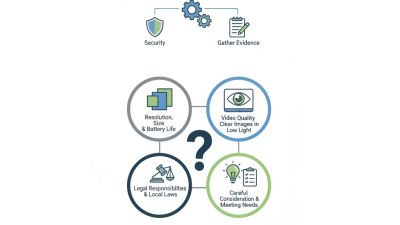
Choosing a Spy Camera in 2026 requires more than image quality, size, or wireless range. Privacy must shape the decision.
Industry forecasts from Grand View Research and MarketsandMarkets show continued growth in video surveillance. However, their market definitions differ. They often include commercial cameras, smart doorbells, and professional systems. Therefore, Spy Camera figures should be treated carefully, not repeated as exact consumer-market facts.
Cisco’s 2024 Consumer Privacy Survey reported that 75% of respondents would avoid organizations they did not trust with their data. That concern appears in everyday details. A camera beside a reception desk may record voices, visitors, and employee conversations. Cloud storage can also create access risks beyond the physical room.
“Security is a process, not a product,” says Bruce Schneier, a widely respected security technologist. His point applies directly here. A privacy-compliant device needs clear notice, limited recording, strong passwords, encryption, controlled access, and a defined deletion schedule. Consent and local privacy requirements must also be reviewed before installation.
The strongest 2026 choices may include visible indoor cameras, privacy-shutter models, local-storage systems, and enterprise devices with audit logs. Hidden placement is not automatically responsible. In many settings, it can create serious ethical and legal concerns.
No camera is perfectly private.
This guide compares leading Spy Camera types through practical security, transparency, and data-control criteria. It also recognizes an uncomfortable limitation: product labels can sound reassuring while settings remain confusing. Readers should verify manufacturer policies, update support, retention controls, and regional compliance before purchase.
What Defines a Privacy-Compliant Spy Camera in 2026
A privacy-compliant spy camera in 2026 is defined by purpose, transparency, and control, not by its small size. It should monitor a specific security risk, such as an unoccupied entryway or restricted storage cabinet. Recording bedrooms, bathrooms, changing areas, or private workspaces is unacceptable. Consent matters.
The device should provide a visible recording notice, even when its lens is discreet. Audio recording should remain disabled unless a clearly documented, lawful reason exists. Strong encryption should protect footage during storage and transfer. Access should require unique accounts, multi-factor authentication, and reviewable activity logs. Automatic deletion is also important. For example, a system might erase routine footage after seven days unless an incident is formally documented.
A responsible operator should test the camera before installation. Check its field of view from a seated person’s perspective. Remove neighboring rooms, computer screens, and unnecessary faces from the frame. Store footage locally when practical, and limit access to trained staff. Written policies should explain who can view recordings, why they may do so, and how people can raise concerns. Local privacy rules differ, so professional legal advice may be necessary.
Small devices create large responsibilities. A hidden microphone can capture far more than expected. Motion detection can also record innocent visitors. I have found that convenience often weakens judgment. Regular audits, firmware updates, and clear signage help, but they cannot replace informed consent and human restraint.
Key Spy Camera Types and Their Appropriate Security Uses
2026 Top Spy Camera Types for Privacy Compliant Security?
Different spy camera types fit different security tasks. A pinhole camera can watch a locked equipment cabinet or service entrance. Use it only with visible notices and documented consent. A wearable camera may support staff safety during deliveries or maintenance visits. A standalone battery camera suits temporary monitoring of a storage area. Wi-Fi models offer remote access, but they also increase exposure to weak passwords and outdated firmware.
The 2024 Data Breach Investigations Report found that human involvement appeared in 68% of reported breaches. That figure makes access control as important as image quality. Choose encrypted storage, individual user accounts, short retention periods, and automatic deletion. Avoid cameras in bedrooms, bathrooms, changing areas, or any place where privacy is reasonably expected. A careful setup can still miss a blind angle. That deserves review.
Tips: Place a clear notice near monitored entrances. Test the camera at night, then check who can view recordings. Keep an access log. Disable microphones unless they are genuinely necessary and lawfully approved. A 2024 global data-breach cost study reported an average breach cost of 4.88 million dollars, showing why cheap security can become expensive. I still see teams overbuying resolution while neglecting permissions. The lens is rarely the weakest point.
2026 Top Spy Camera Types for Privacy-Compliant Security
Comparative suitability of common discreet and security-camera types for legitimate, consent-based security scenarios.
Higher scores indicate stronger suitability for the listed security role, based on typical field of view,
placement flexibility, visibility, and monitoring capability. Use cameras only with lawful notice or consent,
disable unnecessary audio recording, apply privacy masking, restrict access, and retain footage only as long as necessary.
Essential Privacy Features, Consent Rules, and Data Safeguards
2026 Top Spy Camera Types for Privacy Compliant Security?
Privacy compliance begins before a discreet camera records its first frame. Choose visible indicators, physical shutters, adjustable angles, and local processing when possible. Avoid bedrooms, bathrooms, changing areas, and spaces where people reasonably expect privacy. Clear notices should explain the camera’s purpose, recording hours, storage period, and contact point. Consent may be required, depending on location, workplace context, and the people recorded. One notice rarely fits every situation.
Data safeguards deserve equal attention. Use strong passwords, multi-factor authentication, encrypted transfers, and role-based access. Keep footage only as long as the security purpose requires. Verizon’s 2025 Data Breach Investigations Report found third-party involvement in 30% of breaches, showing why connected camera vendors need careful review. IBM’s 2024 Cost of a Data Breach Report placed the global average breach cost at 4.88 million dollars. Security failures become expensive quickly.
Tips: Test the privacy shutter monthly. Put a small sign near each monitored entrance. Disable audio unless it is clearly necessary and lawfully justified. Review access logs every month. Remove inactive user accounts immediately. A camera that records everything may feel safer, but that assumption deserves challenge. Document consent, retention decisions, and incident responses. If rules remain unclear, obtain local privacy advice before installation.
How to Evaluate Installation, Recording, and Access Controls
Choosing a privacy-compliant spy camera starts with installation, not image quality.
Discreet designs may fit shelves, entryways, or equipment rooms, but placement must respect personal spaces. Use clear notice and obtain consent where required. Avoid bedrooms, changing areas, and private workspaces. I have found that a visible status light helps prevent misunderstandings, even when it feels less discreet.
Recording controls deserve careful testing.
Select systems with motion detection, adjustable recording schedules, and local storage when practical. Disable audio unless it is clearly permitted and genuinely necessary. Set a short retention period, such as seven or fourteen days, then delete footage automatically. Check night vision in a real hallway, not only in a bright showroom. Small blind spots can matter.
Tips:
Test the camera from eye level. Review footage before installation. Use strong, unique passwords. Enable multi-factor authentication. Limit administrator accounts and inspect access logs weekly. Encryption during storage and transmission is important, but it does not fix careless sharing. Keep firmware updated through a controlled process. A written access policy also helps, though many teams create one and forget to review it. Consider whether every recording is needed; fewer images usually mean less privacy risk.
Choosing the Right Camera for a Lawful Security Scenario
2026 Top Spy Camera Types for Privacy Compliant Security?
Choosing the Right Camera for a Lawful Security Scenario
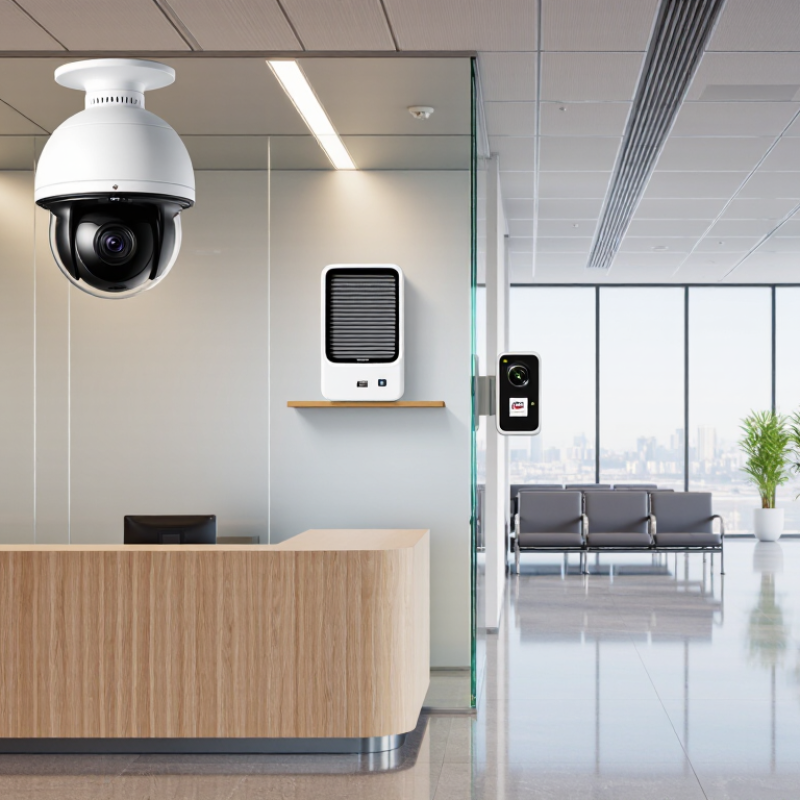
A lawful security camera should be selected for its purpose, not its ability to disappear. Compact indoor cameras suit reception desks, storage entrances, and equipment rooms. Visible dome cameras work better in corridors and shared areas. Doorway cameras can document deliveries without recording private interiors. Use clear notices, defined recording zones, and consent where required. Audio should remain disabled unless a documented legal review supports it.
According to the 2024 Verizon Data Breach Investigations Report, researchers examined 30,458 security incidents and 10,626 confirmed breaches. The report highlights the continuing importance of access control and human behavior. A secure camera therefore needs encryption, strong passwords, multi-factor authentication, and role-based viewing. Local storage may reduce cloud exposure, but it still requires locked cabinets and controlled access. Small details matter.
Retention must match the security purpose. A short, written schedule is safer than endless recording. The NIST Privacy Framework encourages organizations to identify, govern, control, and communicate privacy risks. That approach fits real workplaces, even when the installation feels simple. I have seen teams focus on image quality first, then overlook viewing permissions. That is a costly mistake. No checklist is perfect. Review camera placement after installation, test the privacy mask, and document every change. A lawful system should protect people without making them feel constantly watched.