What to Know About Secret Cameras for Home Security?
When considering home security, the use of a "Secret Camera" can be a powerful tool. It allows homeowners to keep an eye on their property discreetly. According to security expert Dr. Emily Hart, "The right secret camera can transform a home into a safer place." This emphasizes the importance of selecting the right device for effective monitoring.
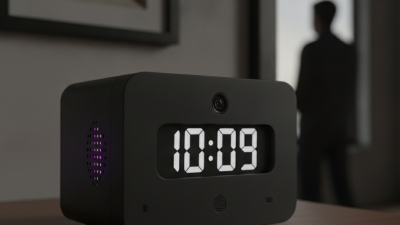
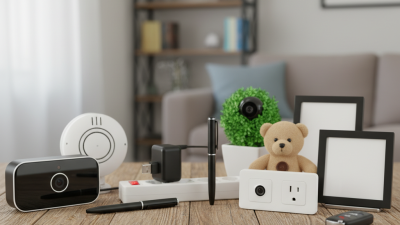
Secret cameras come in various forms, from hidden in everyday items to more sophisticated models. Their discreet nature can deter potential intruders and provide peace of mind. Yet, drawbacks do exist. Some may worry about the ethical implications of using hidden cameras, especially regarding privacy. Proper placement and usage are critical.
Choosing a secret camera requires careful thought. It’s vital to balance security needs with ethical considerations. While these devices can enhance safety, they should not invade the privacy of others. Therefore, understanding their capabilities and limitations is essential to make an informed decision for home security.
Understanding the Basics of Secret Cameras for Home Security
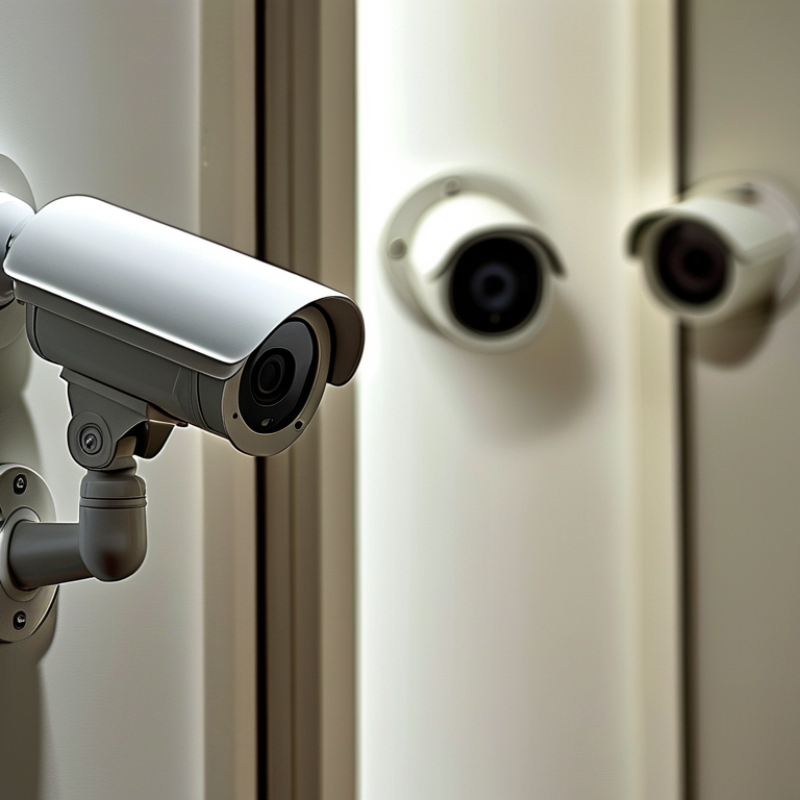
When considering secret cameras for home security, it’s essential to understand their various purposes and functionalities. These cameras are designed to monitor your home discreetly. They can help deter theft and provide evidence in case of a break-in. Their compact design allows them to blend seamlessly into your home decor. This can be especially useful in areas where you want to keep an eye on children or pets.
It's important to evaluate your specific needs before choosing a camera. Think about placement options. Should it be inside or outside? Consider the visibility. Some users may want cameras that are hidden, while others may prefer visible security measures. Research the features offered, such as night vision and motion detection. These can significantly enhance the effectiveness of the camera.
However, relying solely on secret cameras isn't a foolproof solution. They should be part of a broader security approach. Regularly check the functionality of your cameras and ensure they are working properly. Review the footage periodically to understand any suspicious activities. With careful planning and consideration, secret cameras can be a valuable addition to your home security strategy.
The Role of Secret Cameras in Deterring Crime: Data Insights
Secret cameras have become an essential part of home security. Understanding their role in deterring crime is crucial. Data suggests that homes with visible cameras are less likely to be targeted by burglars. Intruders often look for easy targets. The presence of a camera may deter them from entering your home.
When considering secret cameras, think about their placement. Choose locations that are not obvious but cover key areas. An effective position could be near entry points or in common areas. This strategic placement can enhance overall security.
Tips: Ensure your camera has motion detection. This feature alerts you to movement. It saves storage space too. Also, regularly check your camera’s functionality. An inactive camera creates vulnerabilities. Remember, technology can fail. Regular checks help you stay secure.
Types of Secret Cameras: Features and Specifications Comparison
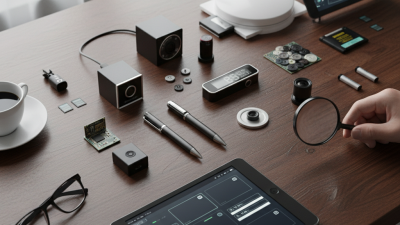
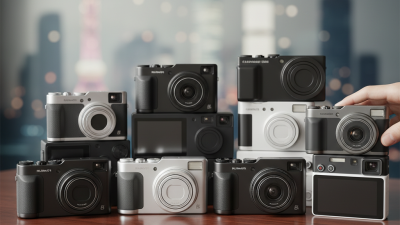
When considering secret cameras for home security, understanding the various types and their features is essential. Cameras come in different forms, like hidden smoke detectors or clock radios. Each type has distinct characteristics that cater to diverse needs. For example, some are equipped with motion detection while others might have continuous recording capabilities. These features can significantly affect their overall effectiveness in surveillance.
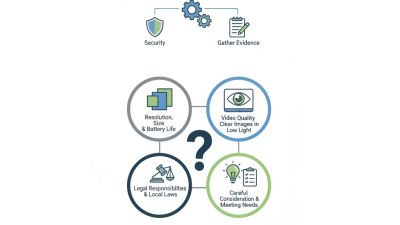
Resolution is key. Some cameras offer HD quality, ensuring clearer images. Others may have lower resolution, which can hinder identification during incidents. Look for models with night vision too. This can be crucial for nighttime surveillance. Battery life also varies, impacting how long a camera can operate without being recharged. Durability is another factor. Outdoor cameras need to withstand different weather conditions, yet some indoor models may not be as sturdy.
Not all cameras are user-friendly. Some might require technical skills for setup, which can deter non-expert users. Potential buyers should consider ease of use alongside technical specifications. Reflecting on these details helps ensure the chosen camera aligns with specific security needs. Balancing features with practical use is often overlooked during the selection process.
Legal Considerations: Privacy Laws Around Home Security Cameras
When considering secret cameras for home security, understanding privacy laws is vital. In many regions, laws govern where and how cameras can be placed. For instance, it’s generally illegal to install cameras in private spaces like bathrooms or bedrooms. The American Civil Liberties Union emphasizes the need for transparency. Informing visitors about any security cameras can help in adhering to legal standards.
A report from the Electronic Frontier Foundation reveals that over 40% of homeowners use security cameras. This increase in technology leads to questions about privacy. Many individuals are unaware that recording audio can be subject to different laws than video. Laws regarding consent vary widely; some states require all parties to agree to being recorded. Ignoring these rules can lead to serious legal consequences.
Authorities suggest that homeowners should not only install cameras but also develop clear policies about their use. Knowledge of local laws is crucial. However, even with compliance, the ethical implications can be complex. Balancing security needs against privacy rights remains a contentious issue. Understanding the grey areas of these laws and reflecting on their implications is essential for responsible surveillance.
Usage of Home Security Cameras by Purpose
This bar chart illustrates the percentage of home security camera users based on different monitoring purposes. The majority of users leverage cameras for intrusion prevention, followed by package monitoring and child safety. Understanding the primary uses of these devices can help inform legal considerations and privacy laws surrounding home security cameras.
Best Practices for Setting Up Secret Cameras in Your Home
When setting up secret cameras in your home, consider strategic placement for optimal coverage. Identify vulnerable areas, such as entry points and common spaces. Place cameras unobtrusively, blending them into the environment. This can enhance your security while maintaining discretion.
Tips: Test the camera angles before finalizing the placement. Ensure you can capture what you need. Adjust settings for clarity, especially in low light. Sometimes, a seemingly ideal spot may not provide the best view.
Be mindful of privacy concerns. Inform household members of the cameras, ensuring transparency. Secret cameras can provide peace of mind, but they require thoughtful consideration. Check local regulations to stay compliant. Balancing security and respect for privacy is crucial for maintaining trust.