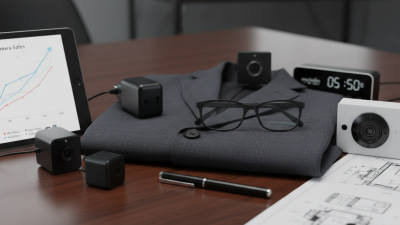
Hidden Camera Trends in China What You Need to Know?
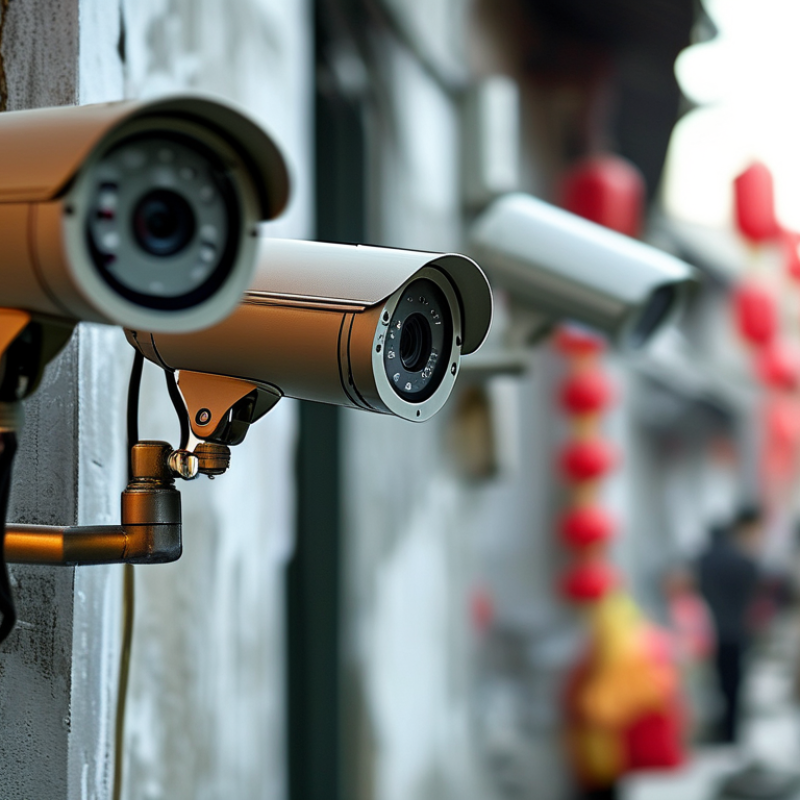
In recent years, hidden cameras have become a significant topic in China. With advancements in technology, they are more accessible than ever. Many people are unaware of the implications and concerns surrounding their use. Hidden cameras can invade privacy and capture sensitive moments without consent.
Individuals should reflect on their surroundings. Familiar places may not be as safe as they seem. Trusting your environment is vital, yet it can be misleading. A hidden camera might alter your sense of security. Awareness is key, but there are gray areas in how these devices are used.
The market for hidden cameras in China continues to grow. This growth raises ethical questions about surveillance. While some advocate for security and safety, others worry about personal privacy infringements. Understanding the trends and technology is essential for navigating this complex issue responsibly.
Emergence of Hidden Cameras in China: A Cultural Perspective
The emergence of hidden cameras in China reflects complex cultural dynamics. In recent years, these devices have become increasingly prevalent in public places, homes, and even businesses. The reasons behind this trend are multifaceted. Many view hidden cameras as a means to enhance security. Increased urbanization has led to crime concerns, making surveillance feel necessary for safety.
Yet, there is a darker side to this phenomenon. Privacy issues arise as citizens grapple with the reality of being watched. Trust is visibly eroded in both public and private settings. Some individuals feel anxious, wondering if someone's hidden camera captures their most personal moments. This discomfort highlights the need for a cultural shift.
Education about privacy rights is crucial. Individuals may find reassurance in understanding how to protect themselves. While hidden cameras can serve a protective purpose, the conversation about ethical use requires deeper reflection. Can we balance safety with respect for personal privacy? This ongoing discussion is essential as society navigates this sensitive terrain.
Technological Innovations in China's Hidden Camera Market
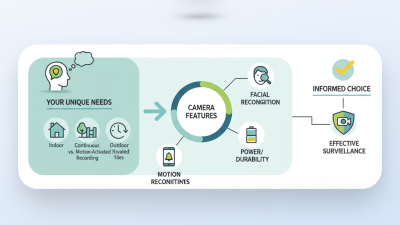
China's hidden camera market is evolving rapidly, driven by advanced technology. Devices have become smaller, more affordable, and accessible. Many cameras now come with AI capabilities, allowing for enhanced motion detection and facial recognition. This trend raises concerns about privacy.
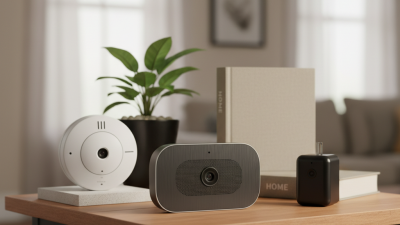
Innovations are impressive. Some products integrate with smartphones, enabling remote access. Users can monitor their surroundings in real-time. However, the ease of access also leads to misuse. It becomes essential for consumers to be aware of potential threats. Ethical considerations around surveillance are becoming increasingly relevant.
People often overlook the implications of such technology. Cameras can be placed in various public and private spaces without consent. This leads to serious ethical dilemmas. While advancements offer security benefits, they can compromise personal privacy. The conversation around hidden cameras must balance safety and individual rights.
Privacy Concerns and Legal Framework Surrounding Hidden Cameras
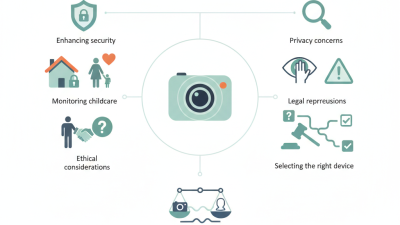
As the use of hidden cameras rises in China, privacy concerns are increasingly prominent. Many individuals unknowingly enter spaces where they may be recorded. This lack of awareness raises significant ethical questions. Surveillance technology often outpaces legal frameworks meant to address privacy issues. It’s challenging to strike a balance between security and personal freedom.
In China, existing laws regarding hidden cameras are vague and often inconsistently applied. While the government has regulations about public surveillance, the protection of personal privacy remains unclear. Most individuals are unaware of their rights, leading to potential abuses of technology. The culture of surveillance can foster an environment of distrust, making it hard for people to feel safe in their own homes.
This situation underscores the need for public discussions and clearer regulations. Authorities must address these growing concerns. Citizens should be informed about privacy rights and the implications of hidden cameras in their daily lives. Awareness can empower individuals to voice their concerns, ultimately shaping a more respectful approach to surveillance in society.
Hidden Camera Trends in China
This bar chart depicts the rising trends and incidents involving hidden cameras in various public and private spaces in China over the past five years, highlighting privacy concerns.
Hidden Camera Usage Trends Among Different Demographics in China
In recent years, the use of hidden cameras in China has seen significant growth across various demographics. According to a 2022 report from the China Security Industry Association, around 30% of urban households have deployed surveillance cameras. This trend reflects a growing concern for safety and security. Interestingly, the usage varies considerably by age group.
Younger generations, particularly those aged 18-35, prefer smart home technologies that incorporate hidden cameras. They value convenience and integration with their smartphones. In contrast, older adults often choose simpler models, focusing primarily on security features. Research indicates that about 45% of users aged 50 and above express concerns about their privacy regarding hidden cameras. This paradox highlights the need for awareness and education about security technology.
Gender differences also play a role in hidden camera usage. Surveys reveal that men are 1.5 times more likely to install these devices. Women often express discomfort with the invasive nature of such technology. This discrepancy points to a need for manufacturers to address privacy concerns. Overall, while hidden camera use continues to rise, the conversation around ethics and personal space needs further exploration.
Hidden Camera Usage Trends Among Different Demographics in China
| Demographic Group |
Percentage of Users |
Primary Usage Locations |
Reasons for Usage |
| Young Adults (18-24) |
45% |
Public Places, Events |
Entertainment, Vlogging |
| Middle-Aged Adults (35-50) |
35% |
Home, Offices |
Security, Monitoring |
| Senior Citizens (60+) |
20% |
Home, Care Facilities |
Safety, Caregiver Monitoring |
| Teenagers (13-17) |
25% |
Schools, Social Gatherings |
Pranks, Social Media |
Reactions and Responses from the Public to Hidden Camera Surveillance
The rise of hidden cameras in public spaces has sparked varied reactions from the public in China. Many individuals express a mix of concern and acceptance. Some feel uneasy about the constant surveillance. They worry about privacy violations. Others, however, see these cameras as essential for safety and security. Increasing crime rates push society to embrace such measures, even if it means sacrificing some privacy.
Social media plays a crucial role in shaping opinions about hidden cameras. A recent online debate reveals deep divisions. Some users argue that public safety must prevail. They highlight incidents where hidden cameras helped catch criminals. Conversely, numerous posts spotlight alarming instances of misuse. These discussions often reflect a need for clearer regulations on surveillance.
Public sentiment towards hidden cameras is evolving. While some consider them a necessary evil, others advocate for stricter rules. The conversation emphasizes the balance between security and privacy. It raises questions about how to protect personal spaces amid rising surveillance trends. The dialogue around this issue is ongoing and complex, showing that the public is deeply reflecting on the implications of these technologies.