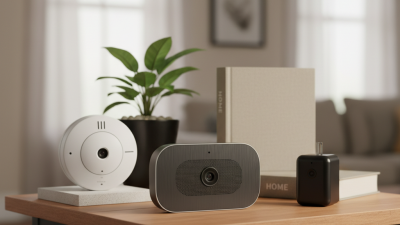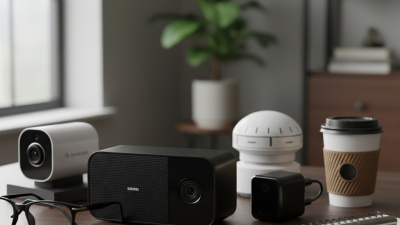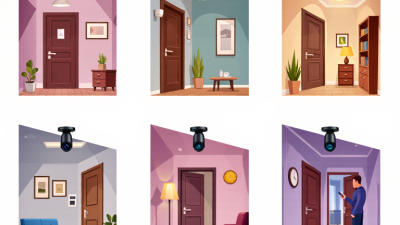
Choosing a China-based Covert Camera supplier for lawful security use takes more than comparing prices. Buyers should confirm the intended purpose, obtain any required permissions, and check local privacy rules before evaluating products. A discreet device may suit an authorized stockroom, equipment cabinet, or access-controlled business area. It should never be used to monitor people in private spaces or without required consent.
Reliable suppliers can explain product specifications clearly. Ask about image resolution, low-light performance, storage options, power requirements, and device security. Request current test reports, warranty terms, and written details about after-sales support. Verify the company’s business identity and ask whether samples are available for evaluation. Clear answers matter. Vague claims do not.
A practical comparison should also consider data handling. Ask where footage is stored, who can access it, and how recordings can be deleted securely. Confirm that the device supports strong passwords and receives security updates. If these details are missing, pause before ordering. That is worth doing.
This guide is intended to help readers assess suppliers with care, not to endorse any product without independent checks. Product listings can change, and a polished website is not proof of quality. Even a thorough review has limits. Buyers should document their requirements, test equipment in an approved setting, and seek qualified legal or security advice when needed. The right supplier is one that supports a clearly defined, lawful purpose and answers difficult questions directly.
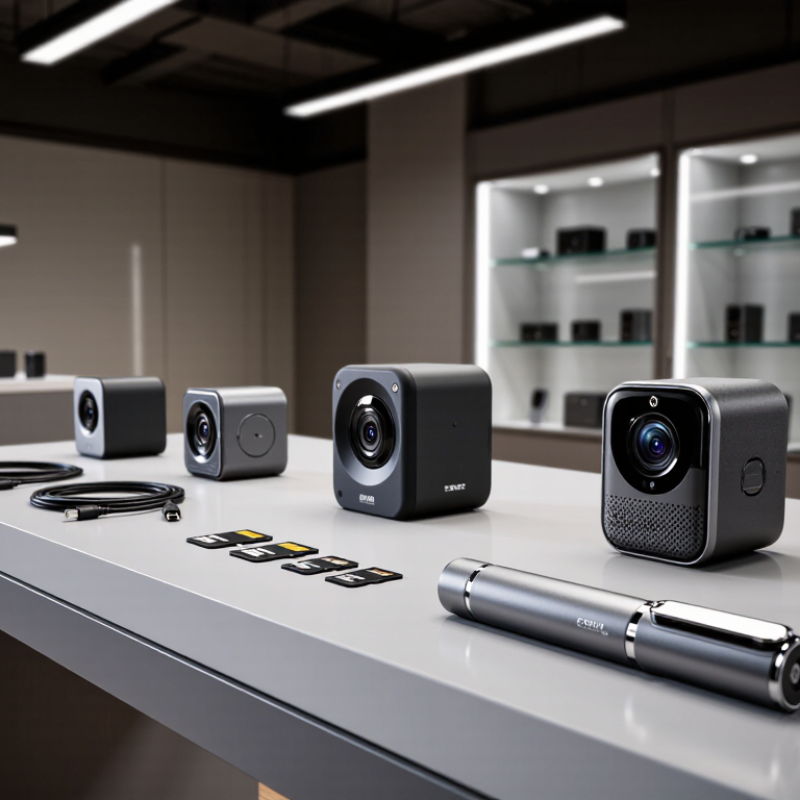
Covert cameras are compact video devices intended to remain visually unobtrusive. Lawful security use starts with a defined purpose, not concealment alone. A shop might document a till area after repeated stock discrepancies. A property manager might monitor an approved service entrance. Keep the lens away from private spaces and unrelated workstations. Restrict access, protect recordings, and set a limited retention period. Post notices where local requirements call for them. Small details matter: a written access log and a named person responsible for footage. Not glamorous. Useful.
A 2023 global video-surveillance market analysis by MarketsandMarkets estimated the market at USD 53.7 billion and projected USD 83.3 billion by 2028. These are commercial forecasts, not proof that every installation is effective or appropriate. Buyers should assess image quality in actual lighting, storage security, access controls, and maintenance records. Test the view at the intended distance; a dim corridor at dusk can turn a crisp daytime image into blur. Discreet devices may reduce tampering, but they can also weaken trust if people lack a clear explanation. Review the purpose and access regularly, and stop recording when the stated need ends.
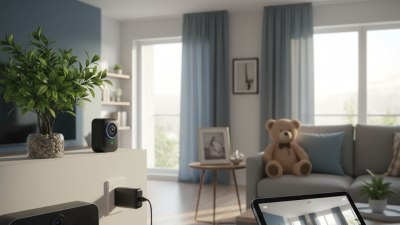
Chinese suppliers typically specialize in compact camera modules, network cameras, or complete monitoring systems. Module makers focus on small sensors, flexible lens placement, and integration into equipment enclosures. Network-camera suppliers tend to emphasize low-light imaging, remote access, and video management compatibility. Some offer customized housings for retail counters, building entrances, or machinery rooms. Small, but not simple. Tiny housings can trap heat and reduce image quality, so buyers should request sample footage under real lighting conditions.
MarketsandMarkets estimated the global video surveillance market at $53.7 billion in 2023, forecasting $83.3 billion by 2028. That growth reflects demand for connected monitoring, not proof that every miniature camera performs well. When assessing suppliers, compare resolution, night performance, storage options, firmware update policies, and documented quality controls. Ask for test results, not just catalog claims. One caveat: discreet form factors can create privacy concerns. Use cameras only in authorized, appropriately disclosed settings, and confirm that installation and data handling meet applicable requirements.
When comparing China-based suppliers for discreet, lawful security cameras, assess image quality and operational controls together. A 2024 Verizon Data Breach Investigations Report found that 68% of breaches involved a non-malicious human element. That makes secure account management, timely firmware updates, and encrypted video transfer practical buying criteria—not optional extras. For image quality, request sample footage showing a dim corridor, a bright doorway, and moving people. Check resolution, low-light performance, wide dynamic range, and recording retention under your actual network conditions. A polished specification sheet is not a field test.
Compare evidence, not just claims. Ask for current test reports and verify that IEC 62368-1 safety documentation covers the exact model. Check ONVIF conformance for interoperability, and confirm any ISO/IEC 27001 certificate applies to the supplier’s relevant operations. Request written warranty terms, repair timelines, firmware-support periods, and a named escalation contact. Suppliers may provide these readily; gaps deserve follow-up. A certificate alone does not prove reliable service.
Tips: Ask for a sample unit and test it for several days. Use authorized, appropriately disclosed locations, restrict access to recordings, and set a retention period before installation. Small details matter. A supplier’s response to a simple support question can reveal more than a sales presentation. I would still verify documents independently; paperwork can be incomplete or outdated.
A responsible security-camera project starts with a clear purpose, not the smallest device. Record only the areas needed to address a specific risk, such as a loading entrance or reception desk. Avoid bathrooms, changing areas, and other places where people expect high privacy. Provide clear notice before recording, and obtain consent where local rules require it. A sign alone may not be enough. Rules differ by location, so confirm requirements with qualified local counsel before installation.
Choose suppliers that explain access controls, encryption, storage location, and deletion schedules in plain language. Limit footage access to named roles, keep an access log, and set a retention period tied to a documented need. Cisco’s 2024 Consumer Privacy Survey reported that 75% of respondents would not buy from an organization they did not trust with their data. IBM’s 2024 Cost of a Data Breach Report put the global average breach cost at US$4.88 million. Those figures make footage security a practical procurement issue, not just a technical detail. Plans can still miss things. Review camera views after installation, check notices remain visible, and remove coverage that no longer serves the stated purpose.
A supplier review should begin with a written security purpose, such as monitoring a staffed entrance or protecting a storage area. Check whether the supplier provides clear product specifications, local compliance documents, warranty terms, and a named support contact. Ask how devices store footage, who can access it, and how recordings are deleted. Vague answers matter. So do missing documents.
Request sample documentation before placing an order. Verify that the stated resolution, recording limits, and storage features match the product being quoted. Ask for written guidance on installation, notices, access controls, and retention settings. A responsible supplier should discuss privacy safeguards, not just image quality. Prefer equipment that fits an approved, transparent security plan, and exclude any supplier that cannot explain its compliance process.
Keep the review practical. Compare a few written quotes, record who checked each document, and confirm that the model delivered matches the approved specification. Check support response times and replacement procedures; small details can become costly later. I have seen procurement teams overlook these basics when timelines are tight. That is easy to do. It is also worth slowing down: requirements differ by location, so have qualified local counsel or a privacy professional review the intended setup before purchase or installation.