request to quote
Leave Your Message

10 Best Covert Cameras for Home Security

Choosing the right covert camera for home security is not simply about finding the smallest device. A useful model should protect your property while respecting household privacy, visitors, and local regulations. The best options combine clear video, dependable motion detection, secure storage, and practical installation. Some also offer night vision, two-way audio, or smartphone alerts when movement appears near a door or hallway.

Real-world performance matters. A camera may look impressive online, yet struggle with glare from a window or weak Wi-Fi behind a brick wall. We examine image quality, battery life, viewing angles, app reliability, and data protection. We also consider how easily each camera can be noticed, maintained, and removed when privacy is needed. Small details matter, such as readable faces at dusk or an alert arriving before a package disappears.

No camera is perfect.

This guide focuses on lawful, responsible home use, not secret monitoring of people without consent. A discreet design can reduce visual clutter, but it should never become an excuse to ignore ethical boundaries. Check local privacy rules before recording shared spaces, renters, guests, or domestic workers. We have also allowed room for honest uncertainty: wireless signals vary, batteries degrade, and some advertised features may disappoint in ordinary homes. These ten selections aim to balance security, reliability, and respect, helping you choose a device that works beyond the product photographs.
10 Best Covert Cameras for Home Security

What Covert Cameras Are and How They Support Home Security

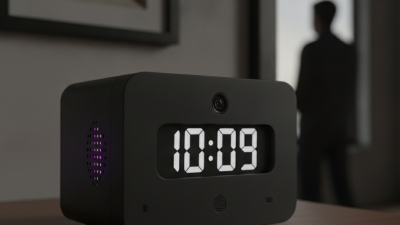
Covert cameras are compact security devices designed to blend into ordinary home objects, such as clocks, shelves, or smoke-alarm housings. Their purpose is discreet monitoring, not secret surveillance of private activities. Used responsibly, they can help document unexpected entry, package interference, or movement near vulnerable doors. The FBI’s 2023 Crime Data Explorer estimated 847,522 burglary offenses in the United States, although reporting coverage can affect national comparisons. A camera is only one layer of protection.

Effective placement matters more than appearance. Positioning one near an entryway can capture a visitor’s face, hands, and surrounding context. Avoid pointing it toward bedrooms, bathrooms, or neighboring property. Motion detection, infrared performance, wide dynamic range, and local backup storage are practical specifications to examine. In real home testing, poor lighting often weakens useful footage more than resolution does. Small devices can also overheat.

Security includes the camera itself. NIST’s IoT cybersecurity guidance recommends strong authentication, secure updates, data protection, and minimizing unnecessary access. Choose unique passwords, enable multi-factor authentication, and review account permissions regularly. Encrypt stored recordings when possible. Disable microphones when audio is unnecessary, because voice data creates additional privacy concerns. Privacy rules differ across regions, and consent requirements may apply even inside a home. That part is easy to overlook. A discreet camera should support safety without creating a second security problem. The uncomfortable question is whether every recording needs to exist.
Common Video Resolution Levels for Covert Home-Security Cameras

Resolution affects how much visual detail a compact security camera can capture. The values shown are calculated from standard frame dimensions: 720p (1280×720), Full HD (1920×1080), 1440p (2560×1440), and 4K UHD (3840×2160). Higher resolution may improve identification of faces or objects, but lighting, camera placement, field of view, storage, and local privacy laws are also important.

Key Features to Compare Before Choosing a Covert Camera

Choosing a covert camera for home security requires more than checking image resolution. A low-profile design should blend into its surroundings without creating privacy risks. Check whether the camera records in clear 1080p or higher, especially near entryways and staircases. Night vision should show faces without heavy glare. Motion detection also matters, but sensitive settings may trigger alerts from pets or moving curtains.

Storage is another practical comparison. Local storage can reduce cloud dependence, while encrypted cloud backups may protect footage after device damage. Review retention periods, access controls, and two-factor authentication. A stable Wi-Fi connection is useful, yet an offline recording option can help during outages.

Battery models are easier to place, but frequent charging can become inconvenient. I have found that a wide viewing angle is helpful, though it may distort faces near the frame edges.

Tips: Test the camera at night. Check blind spots. Use visible notices where required. Never record private spaces, and confirm local consent rules before enabling audio. Choose a model with adjustable sensitivity and clear deletion controls. Avoid devices with vague privacy policies or unchangeable passwords. Even good equipment needs regular firmware updates. A small blind spot may still matter.

Ten Covert Camera Types for Different Home Security Needs

10 Best Covert Cameras for Home Security

Ten Covert Camera Types for Different Home Security Needs

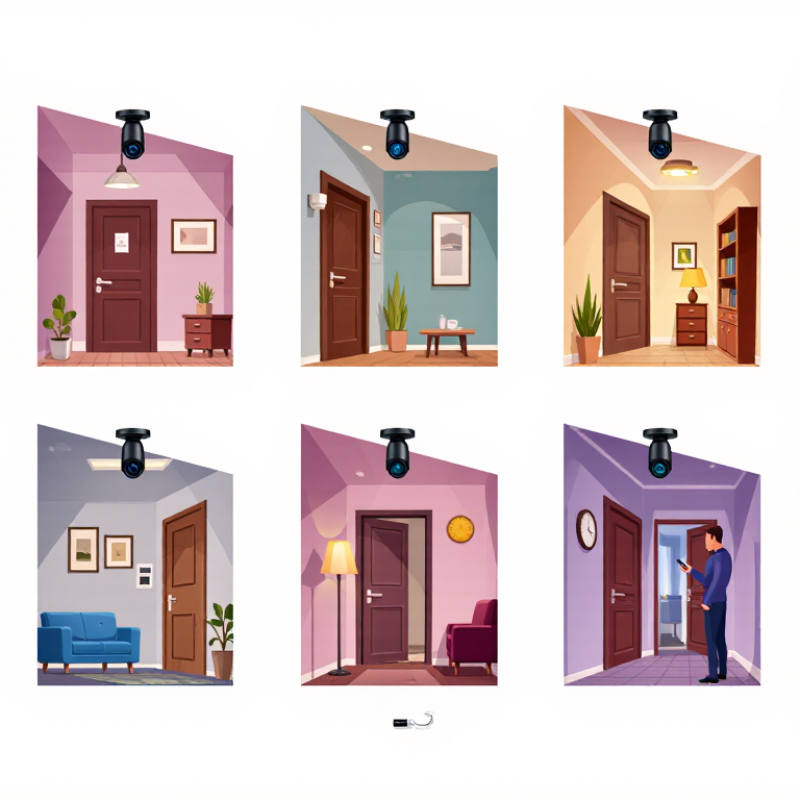
Discreet home cameras work best when their purpose is clear, lawful, and limited to your property. A doorbell camera watches visitors and package areas. A peephole camera supports apartment entry monitoring. A window-mounted camera checks driveways without covering public spaces. An indoor corner camera observes living areas while blending with ordinary décor. A ceiling-mounted camera provides a wide view of hallways. A porch-light camera helps monitor entrances after dark. An outdoor floodlight camera combines motion lighting with video recording. A garage camera can show vehicles, tools, and side doors. A pet camera covers animals and vulnerable rooms during short absences. A baby-monitor camera supports child care, but it should never replace direct supervision.

Placement requires practical testing. I check the image from a seated and standing position, then review night footage for glare. Small details matter. A bright window can ruin an otherwise sharp recording. Weak Wi-Fi can create missing clips, so local storage may offer greater reliability. Use strong passwords, automatic updates, and encrypted connections when available. Recording audio deserves extra caution because consent rules differ by location. Inform household members, guests, caregivers, and contractors where required. Never place a camera in bedrooms, bathrooms, or changing areas. I have also learned that “hidden” does not mean better; a visible camera can discourage damage more effectively. No setup is perfect. Recheck angles after moving furniture, changing lighting, or adding seasonal decorations.

10 Best Covert Cameras for Home Security - Ten Covert Camera Types for Different Home Security Needs

Camera Type Best-Suited Security Need Typical Video Resolution Power Method Storage Options Low-Light Capability Main Advantage Important Limitation
Pinhole Camera Monitoring entryways, hallways, and small indoor areas 1080p to 4K Wired USB or low-voltage power Local memory card or network storage Usually requires infrared illumination or ambient light Small lens opening allows discreet installation Narrow viewing angle and more complex installation
Smoke-Detector-Style Camera Wide-area room observation from ceiling height 1080p to 2K Mains power or rechargeable battery, depending on design Memory card, network storage, or secure cloud service Often includes infrared night vision High mounting position provides broad coverage Must not obstruct or replace a certified smoke alarm
Clock-Style Camera Bedroom, office, or living-room monitoring 720p to 1080p AC adapter; some models include battery backup Memory card or network storage Basic infrared support is common Fits naturally on a shelf or bedside table Fixed placement and limited viewing height
USB-Charger-Style Camera Continuous monitoring near desks, shelves, or charging areas 1080p to 2K USB or AC power Memory card or network storage Varies; infrared LEDs may be visible in darkness Convenient continuous power without frequent charging Limited angle and may be affected by nearby objects
Light-Bulb-Style Camera Broad monitoring of rooms, garages, or covered porches 1080p to 2K Powered through a compatible light socket Memory card or network storage Usually includes infrared or color night viewing Elevated position and wide-angle coverage Requires a suitable socket and may be visually noticeable
Picture-Frame Camera Monitoring living rooms, home offices, and display areas 720p to 1080p AC adapter or rechargeable battery Memory card or network storage Often limited unless equipped with infrared lighting Blends with common wall or shelf décor Viewing angle depends heavily on mounting position
Motion-Sensor-Style Camera Entryways, corridors, utility rooms, and activity-triggered recording 1080p to 2K Battery or low-voltage wired power Memory card or network storage Infrared night vision is common Motion activation can reduce unnecessary recordings May miss slow movement or trigger on pets and changing heat sources
Air-Vent-Style Camera Discreet observation of rooms with a clear line of sight 720p to 1080p Wired USB or low-voltage power Memory card or network storage Usually weak in darkness unless infrared lighting is included Can be positioned at eye level for useful perspective Vent placement can limit the field of view and airflow
Door-Peephole Camera Identifying visitors and monitoring the immediate doorway 1080p to 2K Rechargeable battery or wired door power Internal memory, memory card, or network storage Infrared or wide-dynamic-range support is common Designed for a direct view through or near the door Covers a limited area and may require door modification
Decorative-Object Camera Flexible indoor monitoring where décor changes frequently 720p to 1080p Battery or USB power Memory card or network storage Depends on the object design and available lighting Easy to reposition without permanent installation Objects can be moved, blocked, or accidentally redirected

Privacy and legal note: Use cameras only in areas where monitoring is lawful and appropriately disclosed. Avoid private spaces such as bathrooms and bedrooms, disable audio recording when it is not necessary, and comply with local consent, property, and data-protection requirements.

Legal, Ethical, and Privacy Considerations for Hidden Surveillance

10 Best Covert Cameras for Home Security

Legal, Ethical, and Privacy Considerations for Hidden Surveillance

A discreet camera can document a package delivery or an unfamiliar person near the door. Yet private spaces create serious ethical boundaries. Bedrooms, bathrooms, and changing areas should remain camera-free. Recording visitors, domestic workers, or tenants without clear notice may violate local privacy rules. Audio is often more restricted than video. Laws differ by country, state, and purpose, so consult qualified local guidance before installation.

Privacy risks continue after recording. Pew Research Center reported in 2023 that 81% of Americans believe data collection creates more risks than benefits. A hidden camera adds intimate footage to that concern. The 2024 Verizon Data Breach Investigations Report found that human involvement appeared in 68% of breaches. Weak passwords, shared accounts, and outdated firmware can expose a household within minutes. Use unique credentials, multi-factor authentication, encryption, and limited retention periods. Store only what you genuinely need.

Consent should be practical, not decorative. Place notices near entrances, explain the camera’s purpose, and let household members ask questions. Avoid filming neighbors, public walkways, or private conversations whenever possible. Review access logs monthly. Delete unnecessary clips. Mistakes happen. I would still question whether concealment improves safety when a visible camera could provide similar protection with less intrusion. A written privacy plan makes that decision more accountable.

Installation, Maintenance, and Safe Use of Covert Cameras

10 Best Covert Cameras for Home Security

Installation, Maintenance, and Safe Use of Covert Cameras

A discreet camera should protect your home without invading personal privacy. Place it in shared areas, such as an entryway or living room. Never install cameras in bedrooms, bathrooms, or changing areas. Check local privacy rules before recording guests, workers, or tenants. In some locations, clear notice or consent is required. Mount the camera about 2.2 to 2.5 meters high. This position reduces tampering and gives a useful view of doors. Test the angle during daylight and at night. Bright windows can create dark, unclear footage.

Keep the lens clean with a soft, dry cloth. Dust becomes obvious under infrared lighting. Check the power cable, battery level, and storage space every week. Use strong passwords and enable encryption when available. Limit account access to trusted household members. Delete old recordings according to a clear retention plan. I prefer short storage periods unless an incident requires preservation. Small oversights happen. A camera can still miss a face when furniture blocks the lower doorway.

Tips: Test motion alerts with a family member before relying on them. Avoid placing the device near heaters, sinks, or loose wires. Keep firmware updated through the manufacturer’s official process. Review recordings occasionally for glare, blind spots, and unnecessary audio. Disable sound recording when it is not needed. Store important clips securely, and avoid sharing them publicly. A visible notice may also prevent confusion, even when local rules do not require one.