How to Choose the Best Spy Camera for Your Needs?
Choosing the right Spy Camera can be a daunting task. With numerous options available, it's easy to feel overwhelmed. This guide aims to simplify the process by highlighting key factors to consider.
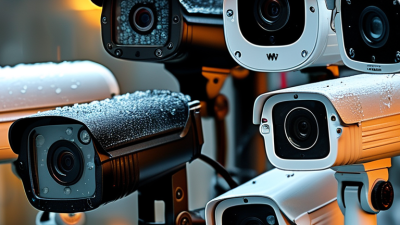
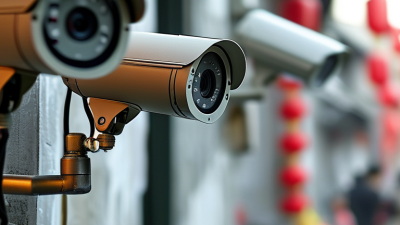
There are different types of Spy Cameras, from hidden devices to those with advanced features. Each serves a unique purpose. Determine what you need the camera for. Is it for home security or monitoring a caregiver? The answer shapes your choice.
Quality matters. Look for cameras with high-resolution images and night vision capabilities. Battery life and storage options also play a crucial role. Additionally, consider ease of use. Some models come with complex setups, which may not fit everyone’s needs. Reflect on your own tech skills to avoid frustration. A suitable Spy Camera enhances security. It keeps you informed, but selecting the right one requires careful thought.
Understanding Your Needs: Defining the Purpose of Your Spy Camera
When choosing a spy camera, understanding your needs is crucial. First, define the purpose. Is it for home security or monitoring pets? Each scenario requires different features. A study by Grand View Research indicates that the global market for surveillance cameras is expected to grow at a CAGR of 12.4% from 2020 to 2027. Such growth highlights the demand for effective monitoring solutions.
Next, consider the specifications that align with your purpose. If you need to monitor a wide area, look for cameras with a wide-angle lens. For low-light conditions, IR night vision is essential. Research from MarketsandMarkets suggests that over 50% of users prioritize video quality and resolution when selecting a camera. This statistic reflects the importance of capturing clear images for reliable evidence.
Many users overlook usability. A camera with complex settings can be frustrating. Ease of installation and operation should not be underestimated. In fact, 30% of surveyed users reported difficulty in setup led to dissatisfaction. Reflect on your comfort level with technology. A simple interface could save you time and effort, enhancing your overall experience.
Types of Spy Cameras: Comparing Features and Functions
When choosing a spy camera, it’s crucial to understand the types available and their unique features. There are various categories, including covert cameras, body-worn cameras, and Wi-Fi-enabled devices. A recent report indicates that approximately 40% of users prefer Wi-Fi cameras due to remote access capabilities. This functionality allows users to monitor activities in real-time via smartphones, making them a popular choice.
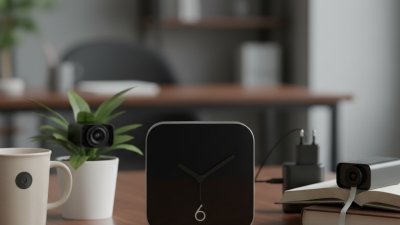
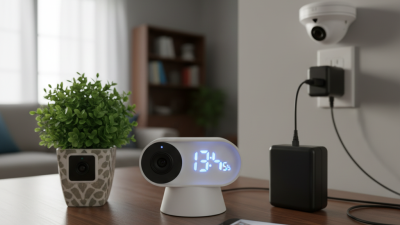
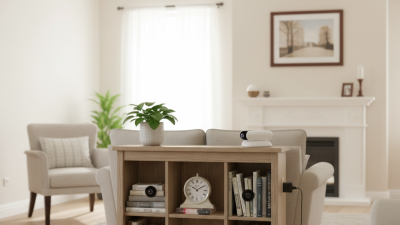
Covert cameras, designed to blend in with everyday objects, are often favored for discreet surveillance. They can be hidden in items like smoke detectors or alarm clocks. However, they may lack advanced features found in larger models, such as higher resolutions or night vision. This limitation prompts some users to reflect on their specific needs. Would a high-resolution image outweigh the benefits of a hidden design?
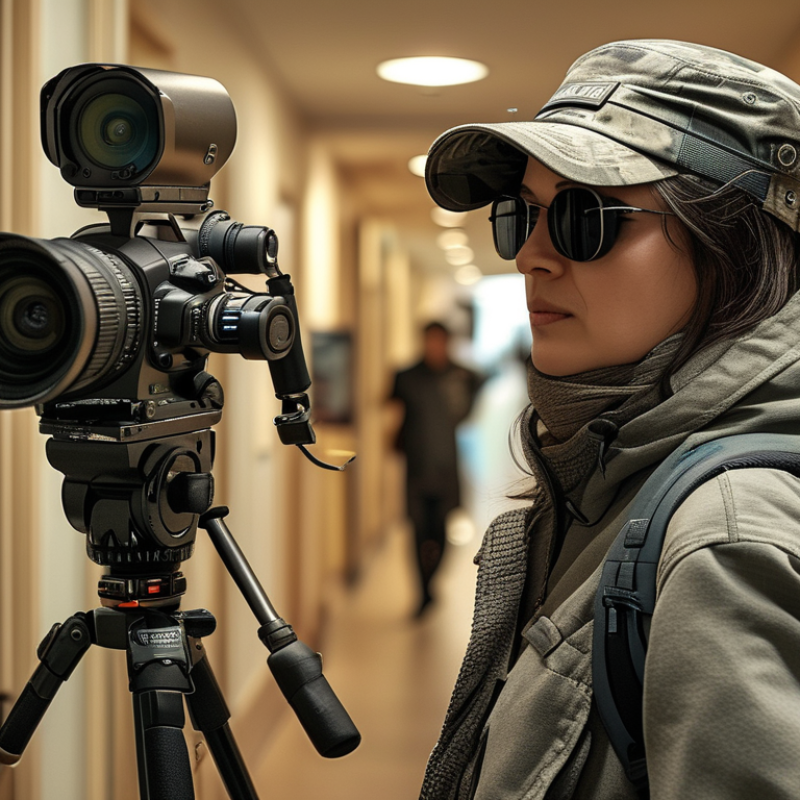
Body-worn cameras cater to those needing mobility. They are ideal for security personnel or private investigators. However, they can pose issues with battery life and storage capacity. Industry surveys show that nearly 30% of users express dissatisfaction with battery duration. These insights highlight the need for careful consideration. Choosing the right type of camera requires weighing these features against your needs and situations. Understanding these distinctions ensures that the selected spy camera truly meets your surveillance objectives.
Key Specifications to Consider: Resolution, Battery Life, and Storage
When selecting a spy camera, three key specifications stand out: resolution, battery life, and storage. Resolution defines the clarity of the footage. A higher resolution provides more detail. This is crucial for recognizing faces or license plates. Yet, higher resolutions can require more storage space. Strike a balance based on what you need to capture.
Battery life is equally important. Some cameras last only a few hours. Others can run for days or weeks. A longer battery life means less frequent charging. That can be vital for extended surveillance needs. However, it’s essential to consider the trade-off between battery size and the camera's compactness. A larger battery might reduce portability.
Storage options vary widely. Some devices have built-in memory, while others use external cards. Cloud storage is useful, but may involve costs. Think about how much footage you plan to keep. Regularly reviewing and deleting unnecessary files can help manage storage effectively. Choosing the right specifications requires careful thought. Focus on your specific needs while remaining open to adjustments.
Legal and Ethical Considerations: Complying with Surveillance Laws
When selecting a spy camera, understanding legal and ethical concerns is essential. Every location has specific surveillance laws. These laws can vary greatly from one region to another. Ignoring them can lead to serious consequences. Familiarizing yourself with local legislation is a crucial step in the process.
Privacy is a fundamental right. Covert surveillance should always respect this right. Consider the purpose of your surveillance. Is it for security, or are the intentions less clear? Ethical implications arise if the camera invades someone's private space. Even benign intentions can lead to mistrust or anger. Always assess the moral aspects of your actions.
It's easy to get caught up in the technology. However, the human element cannot be ignored. Think about how surveillance affects others. Would you want to be recorded without your consent? Balancing your needs with the rights of others is vital. Reflecting on these issues can lead to more responsible use of spy cameras. Strive for a path that respects both privacy and security.
Budgeting for Quality: Finding a Spy Camera That Fits Your Price Range
When selecting a spy camera, budgeting is crucial. The market offers various options, but quality varies significantly. Industry reports indicate that approximately 70% of consumers prioritize functionality over price. This can lead to overspending on features that may not be necessary for your needs.
Consider your specific requirements. A basic model may suffice for home security, while a more advanced option might be necessary for professional use. The average price range for reliable cameras starts around $50. Yet, high-performance models can exceed $500. Customers often find themselves torn between affordability and quality. Remember, a cheaper camera might save you money, but it may lack essential features.
Many cheaper models may not offer optimal video resolution or reliability. According to a survey, 30% of low-cost camera users reported dissatisfaction due to poor performance. Investing a bit more could provide better clarity and durability. Evaluate features like battery life and storage capacity. Even a small increase in budget could lead to substantial improvements in overall effectiveness. Finding the right balance is key.