request to quote
Leave Your Message

What Is a Spy Camera and How Does It Work?

A Spy Camera is a small imaging device designed to record video while remaining discreet. Some models resemble ordinary household objects, while others use tiny lenses in compact housings. Their size may suggest simplicity, but the technology is more involved. A typical device includes a lens, image sensor, processor, storage, battery, and sometimes wireless connectivity. The label can mislead.

Light enters through the lens and reaches the image sensor. The sensor converts that light into digital data. A processor then compresses the footage into a usable video file. Depending on the model, recordings may save to internal memory, a removable card, or an approved mobile application. Motion detection can activate recording when movement appears. Night vision may use infrared illumination, creating a dim, monochrome image in dark rooms. Small hardware has limits.

Understanding how a Spy Camera works also requires attention to privacy, security, and responsible use. A camera should be installed only with clear permission and a legitimate safety purpose. Recording private spaces without informed consent can cause serious harm and may violate local regulations. Buyers should check storage protection, password settings, indicator lights, and data-sharing policies. Experts also recommend testing the viewing angle and audio behavior before installation. Mistakes happen. A device can capture more than intended, including conversations, visitors, or sensitive documents. That risk deserves honest reflection. This guide explains the technology without encouraging secret monitoring, helping readers make informed, lawful, and respectful decisions.

What Is a Spy Camera and How Does It Work?

What a Spy Camera Is and the Main Features It Contains

What Is a Spy Camera and How Does It Work?

What a Spy Camera Is and the Main Features It Contains

A spy camera is a small imaging device designed to record video discreetly. Its size may resemble a clock, sensor, or ordinary household object. However, responsible use matters. Recording people without clear permission can violate privacy and local laws.

The camera lens gathers light and sends it to an image sensor. A processor then converts that light into digital video. Many models include motion detection, infrared night vision, and loop recording. Motion detection saves storage by recording only when movement occurs. Infrared support helps in darkness, but footage may look grainy or monochrome. Small details matter.

Storage may use internal memory, a removable card, or secure network transfer. Some devices include microphones, timestamps, and rechargeable batteries. Wireless connections can provide remote viewing, yet they also create security risks. Strong passwords and updated software are essential. A weak connection can expose sensitive footage.

In practical evaluation, I would check image clarity, battery duration, heat, and recording stability. Specifications can sound impressive but feel limited in a dim room. A wide viewing angle may also distort faces near the edges. No camera performs perfectly. Users should test placement, lighting, and privacy settings before relying on recorded evidence. Use should remain transparent, lawful, and limited to spaces where monitoring is properly authorized.
How Spy Cameras Capture, Process, and Store Visual Information

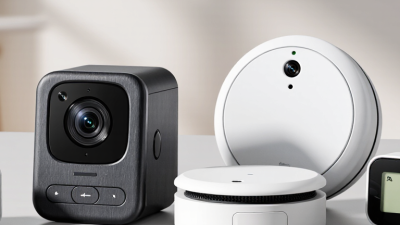
A spy camera is a compact imaging device designed to remain unobtrusive. The term sounds precise, but it is not. Some models use ordinary digital camera parts in a smaller housing. Light enters through a tiny lens and reaches an image sensor. The sensor changes photons into electrical signals. These signals form individual pixels.

A processor then improves the raw image. It adjusts exposure, color, sharpness, and noise. In dim rooms, software may brighten shadows, but detail can disappear. Motion also creates blur.

The camera compresses the finished video to reduce file size. Common formats divide footage into frames and store them as data. Storage may be built-in, removable, or connected to a secure network. A small indicator or timestamp can help verify when recording occurred. Sometimes, however, timestamps drift.

When recording starts, a trigger may respond to movement, sound, a schedule, or continuous power. Motion detection compares changing areas between frames. It can save space, yet moving shadows may create false recordings. During playback, another device decodes the compressed file and rebuilds the images. Encryption can protect stored footage, especially on shared networks. Access controls matter as much as image quality. Use should follow consent, privacy, and local recording rules. The technology is small, but its consequences are not.

The Different Types and Concealed Forms of Spy Cameras

What Is a Spy Camera and How Does It Work?

A spy camera is a compact camera designed to record from a discreet position. Its lens focuses light onto a CMOS sensor. An image processor then converts that light into digital video. The device may save footage locally or transmit it through a network. Some models also include motion detection, infrared illumination, or microphones. Audio recording requires extra caution, because privacy rules differ by location.

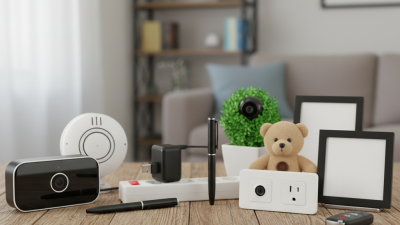
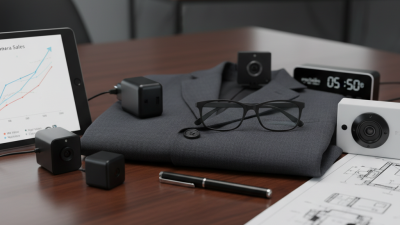
The different types are often defined by their housing. Pinhole cameras use a tiny lens opening. Button-style cameras may appear inside clothing or equipment. Clock, charger, smoke-alarm-like, and wearable forms use familiar shapes to reduce visual attention. Networked models can send alerts to an authorized viewer, while offline models store files on internal memory. Some are obvious. Others are difficult to notice.

Fortune Business Insights valued the global video surveillance market at about 53.7 billion dollars in 2023. Its report projects roughly 83.3 billion dollars by 2030. This growth reflects smaller sensors, better compression, and wider network access, not necessarily more responsible use. In practical inspections, look for unusual lens reflections, unexplained indicator lights, or devices that need power without a clear purpose. These checks are imperfect. A concealed form does not make recording lawful or ethical. Use requires authorization, appropriate notice, and careful handling of stored footage.

How Wireless Spy Cameras Transmit Recorded or Live Footage

A spy camera is a small camera designed to blend into ordinary surroundings. In lawful security work, it may monitor an entryway, storage room, or child’s play area. Wireless models do not need a video cable. They use Wi-Fi, a cellular connection, or a short-range network to move footage. Permission matters. Recording people without clear authorization can violate privacy rules.

For live viewing, the camera captures light through its lens and converts it into digital frames. An internal processor compresses those frames before sending them through the network. With Wi-Fi, the signal travels to a router, then to an approved viewing device or secure server. Cellular models send data through a mobile network instead. A typical live image arrives within a few seconds, but thick walls, crowded networks, and weak reception create delays. The picture can freeze. It happens.

Recorded footage follows a different path. The camera may save clips on internal storage or a removable memory card, then upload selected files when a connection is available. Many systems offer encryption during transmission, account passwords, and motion alerts. These features help, but they are not magic. Change default credentials, update firmware, and place the camera where only authorized people can access it. Battery life also deserves a practical check; frequent wireless uploads can drain a small battery within hours. A short test at the exact installation point often reveals problems that specifications hide.

Legal, Ethical, and Privacy Considerations for Spy Camera Use

A spy camera is a small recording device designed to appear ordinary or remain unobtrusive. It may capture video, audio, or both through a lens hidden in an everyday object. Some models store files on internal memory, while others transmit footage through a secure network. Its size does not reduce the responsibility attached to its use.

Privacy rules differ between countries, states, and even buildings. Recording someone in a private room without clear permission may violate consent, surveillance, or data protection laws. Audio often receives stricter treatment than video. Check local regulations before installation, and seek qualified legal advice when the situation is unclear. Do not place a camera in bedrooms, bathrooms, changing areas, or other spaces where people reasonably expect privacy. That boundary should remain firm.

Ethical use requires more than technical legality. Tell household members, employees, guests, or visitors when monitoring is necessary and relevant. A visible notice near an entrance can prevent confusion. Limit recording times, protect stored files with strong passwords, and delete footage that no longer serves a legitimate purpose. Never share intimate or identifying recordings casually. Even a well-intended camera can feel threatening when people discover it later. I have found that convenience can blur judgment, especially when security concerns feel urgent. A written purpose and a short retention period can expose weak reasoning before harm occurs.