request to quote
Leave Your Message

What Is a Spy Camera and How Does It Work?

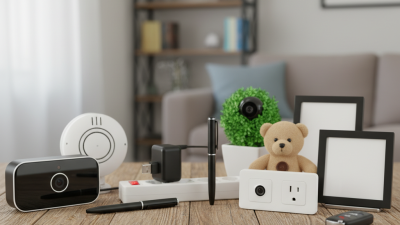
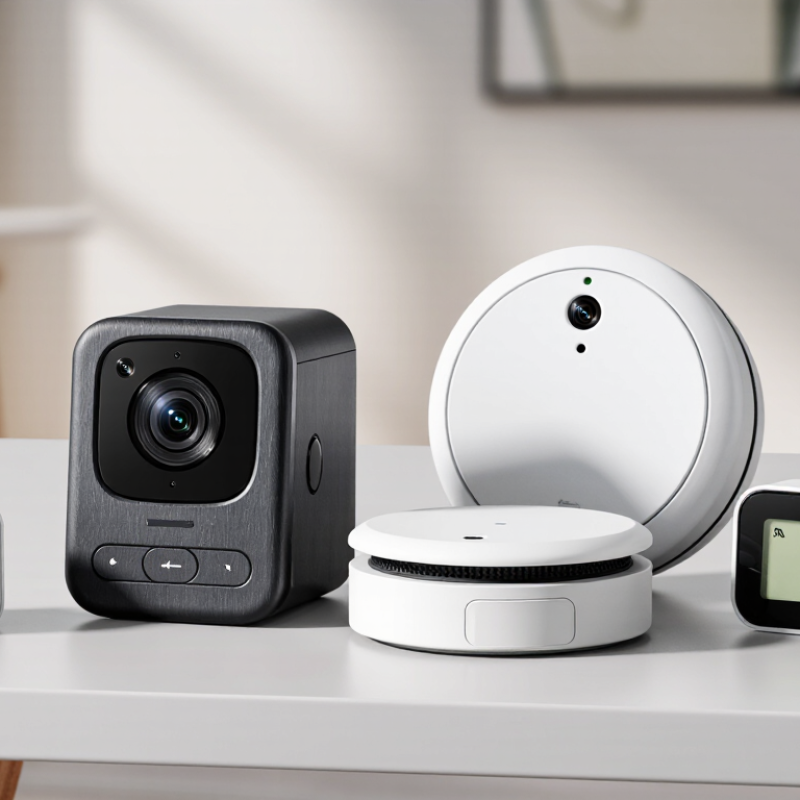
A Spy Camera is a compact imaging device designed to record or transmit video from a discreet position. Its appearance may resemble a clock, charger, smoke detector, or ordinary household object. However, the term itself is imprecise. Some devices are purpose-built for security, while others are simply small cameras with minimal external features.

Inside, a lens focuses light onto an image sensor, often a CMOS sensor. The sensor converts light into digital data. A processor then compresses that data into a video file or live stream. Depending on the model, footage may remain on a memory card, move to internal storage, or travel through Wi-Fi. Some cameras use motion detection, infrared illumination, microphones, or battery power. These features affect image quality, recording time, and privacy risks.

Small does not mean invisible.

In practical testing, lighting matters greatly. A camera facing a bright window may produce a dark room. Low-cost models can also show blurred edges, delayed alerts, or weak night images. These limitations deserve honest attention. Marketing language often suggests more certainty than the hardware can deliver.

This guide explains how a Spy Camera works, what its main components do, and where performance can fail. It also treats responsible use as essential. Recording people without appropriate consent may violate privacy expectations or applicable laws. Ethical placement, clear authorization, secure passwords, and careful data storage help reduce harm. The goal is understanding technology, not enabling secret surveillance.
What Is a Spy Camera and How Does It Work?

What Is a Spy Camera?

What Is a Spy Camera and How Does It Work?

What Is a Spy Camera?

A spy camera is a compact camera designed to record video discreetly. Its small lens may fit inside a clock, sensor, or everyday household object. The device usually contains an image sensor, processor, battery, and storage system. Some models save footage locally, while others send video through a wireless network.

It is tiny. But it is not invisible.

When light enters the lens, the image sensor converts it into digital data. Software may then add motion detection, low-light enhancement, or audio recording. A practical detail matters here: better resolution does not always mean better evidence. Poor lighting, glare, and blocked lenses can reduce image quality quickly. Battery claims can also disappoint during continuous recording.

The wider surveillance market shows strong demand for compact monitoring technology. Grand View Research valued the global video surveillance market at approximately 51.9 billion U.S. dollars in 2023. However, technical growth does not remove privacy responsibilities. Pew Research Center reported that 79% of adults felt concerned about how companies use their personal data in its 2019 privacy study. A camera should therefore be used only with clear permission and a legitimate purpose. Local rules may restrict recording in private spaces, especially when audio is captured. The label “spy camera” can be misleading because the device itself is not automatically unlawful; context determines whether its use is respectful, authorized, and appropriate.
What Are the Main Parts of a Spy Camera?

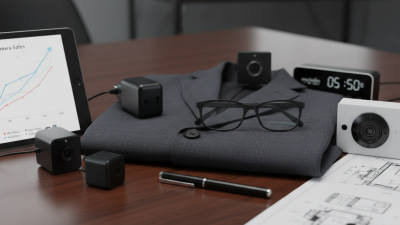
A spy camera is a compact camera designed to remain visually unobtrusive. Its performance depends on several small parts working together. The lens gathers light and shapes the scene. A wide lens covers more space, while a narrow lens shows greater detail. Lens quality affects sharpness, color, and low-light performance.

The image sensor changes light into electronic signals. It strongly influences image clarity, especially indoors. A processor then reduces noise, adjusts exposure, and creates a usable video file. Some cameras save footage to internal memory or a removable card. Others send data through a secure, authorized network connection. Storage capacity matters more than many buyers expect. High-resolution video fills space quickly.

Power usually comes from a rechargeable battery or a wired supply. Battery size affects recording time, but temperature and signal strength also matter. A microphone may capture sound, although audio recording requires extra privacy care. The outer housing protects the circuit board, lens, and power controls. An indicator light, when included, can show recording or charging status. Small parts matter.

In practical testing, heat is easy to overlook. A warm housing can shorten battery life and reduce reliability. No setup is perfect. Reflections, blocked lenses, weak lighting, and poor placement can distort footage. Use such equipment only with clear permission and in places where recording is lawful and expected.

What Is a Spy Camera and How Does It Work? - What Are the Main Parts of a Spy Camera?

Camera Part or Feature Primary Function How It Works Typical Characteristics
Lens Focuses incoming light onto the image sensor. The lens gathers and bends light to create a focused image. A wider field of view captures more of a scene, while a narrower field of view provides a closer perspective. May be fixed-focus or adjustable-focus. Common viewing angles range from approximately 60° to 120°, depending on the design.
Image Sensor Converts light into an electronic image. A CMOS sensor uses an array of photosensitive pixels to detect light intensity and color, then sends the resulting image data to the processing circuit. Resolution is commonly expressed in megapixels. Low-light performance depends on pixel size, sensor quality, exposure control, and image processing.
Image Processor Processes and compresses the captured image or video. The processor adjusts exposure, color, sharpness, and noise reduction before encoding video into a digital format such as H.264 or H.265. Processing capability affects video quality, frame rate, storage requirements, motion detection, and power consumption.
Microphone Captures nearby sound when audio recording is supported. A small microphone converts sound pressure into an electrical signal, which can be recorded with video or transmitted separately. Audio quality is affected by microphone sensitivity, distance, surrounding noise, and whether the device includes noise reduction.
Storage Memory Stores recorded photos, video, and sometimes audio. Digital files are saved to internal flash memory, removable memory, or a connected recording system. Storage capacity is often measured in gigabytes. Higher resolution, higher frame rates, and longer recording times require more storage.
Battery Provides portable electrical power. A rechargeable lithium-based battery supplies energy to the sensor, processor, storage system, and wireless components. Operating time varies with battery capacity, video resolution, wireless use, motion detection, temperature, and recording settings.
Power Management Circuit Controls and distributes electrical power within the device. Voltage regulators convert battery or external power into the levels required by different electronic components and may help prevent overcurrent or overcharging. Efficient power management can reduce heat generation and extend battery life.
Wireless Communication Module Transfers images, video, alerts, or device status. The module connects to a compatible local network or short-range wireless connection, allowing authorized users to view or manage the camera remotely. Performance depends on signal strength, network congestion, distance, encryption, and the camera’s supported communication standard.
Infrared Illumination Improves visibility in darkness or very low light. Infrared emitters produce light outside the visible spectrum. The image sensor detects this light, allowing monochrome images to be produced in darkness. Night-vision distance varies by emitter power, lens angle, room conditions, reflective surfaces, and sensor sensitivity.
Motion Sensor Detects movement and can trigger recording or notifications. A passive infrared sensor detects changes in infrared energy from moving objects, while software-based detection analyzes changes between video frames. Detection range and accuracy depend on sensor type, viewing angle, movement speed, background activity, and environmental temperature.
Control Firmware Manages camera functions and user settings. Embedded software controls recording, exposure, storage, motion detection, wireless communication, and power-saving behavior. Features may include scheduled recording, password protection, file management, status indicators, and software updates.
Enclosure Protects internal components and supports installation. The outer housing holds the lens, circuit boards, battery, and connectors in alignment while providing protection from normal handling and dust. Materials commonly include plastic or lightweight metal. Size, mounting method, ventilation, and environmental protection vary by design.
Indicator or Status Light Communicates operating conditions. A small light-emitting diode may indicate power, charging, connection status, storage activity, or recording status. Some designs allow indicators to be disabled through settings, while others use them as a permanent status signal.
Connection Port Supports charging, data transfer, configuration, or wired video output. A physical port connects the camera to a power source, computer, or compatible accessory using an appropriate cable. Common functions include charging, file transfer, and continuous power. Port type and capabilities vary by model.
Video and Privacy Controls Manage recording behavior and help protect people’s privacy. Settings can control recording schedules, access permissions, data encryption, notification rules, and whether audio or video is enabled. Use should comply with applicable privacy, surveillance, workplace, and recording-consent laws. Cameras should not be placed where recording is prohibited.

Note: Specifications and components vary by design. A spy camera should be used lawfully, with appropriate notice or consent where required, and only in locations where recording is permitted.

How Does a Spy Camera Capture and Store Images?

What Is a Spy Camera and How Does It Work?

A spy camera is a compact imaging device designed to record video or still photos discreetly. Its lens gathers light and focuses it onto an image sensor. The sensor converts light into electronic data. A processor then turns that data into a usable image file. In dim rooms, infrared assistance may reveal details, but images can look grainy or unnatural. Motion detection can start recording when movement appears, which saves storage space.

How Does a Spy Camera Capture and Store Images?

When recording begins, the camera captures a rapid sequence of frames. Each frame contains color, brightness, and fine visual information. The processor compresses these frames into a video format or saves individual photos. Files usually go to internal memory, a removable memory card, or secure network storage. Storage capacity depends on resolution, frame rate, compression, and audio settings. Higher quality fills memory faster. A timestamp may also help organize footage, though incorrect clock settings can cause confusion. Real-world results are not perfect. Reflections, blocked lenses, weak lighting, and vibration can reduce clarity.

Tips: Test the camera in its intended space before relying on it. Check focus, night performance, battery life, and available storage. Use clear notices and obtain permission where required. Protect recordings with strong access controls. Review files regularly, because missed events are difficult to recreate.

What Is a Spy Camera and How Does It Work?

A spy camera uses an image sensor to convert incoming light into digital data. An onboard processor usually compresses each image as a JPEG file before saving it to internal flash memory or a removable memory card. The chart shows the estimated number of 2 MB JPEG images that can be stored on common storage capacities.

Storage estimate: 1 GB is treated as 1,000 MB, so a 16 GB capacity stores approximately 8,000 images at 2 MB per image. Actual capacity varies with image resolution, lighting, compression, and file-system overhead.

What Types of Spy Cameras Are Commonly Available?

Spy cameras are compact cameras designed to capture video with minimal visual attention. Their small size does not make them automatically suitable for every setting. Consent, clear purpose, and secure storage remain essential.

Common models include pinhole cameras, button-sized cameras, and miniature lens modules installed inside ordinary-looking objects. Wireless versions transmit footage through Wi-Fi, while wired models send video to a local recorder. Battery-powered units support flexible placement but may require frequent charging. Motion-activated cameras save storage space, although pets, shadows, or changing light can trigger false alerts. Some models include infrared illumination for dark rooms. The light may appear invisible, but the camera can still reveal private activity.

According to the MarketsandMarkets 2024 Video Surveillance Market report, the sector may grow from about 83.3 billion dollars in 2024 to 129.4 billion dollars by 2029. Grand View Research also identifies networked and connected surveillance as major growth areas. These figures reflect wider surveillance technology, not only spy cameras, but they show why connected features are becoming common.

In practice, resolution claims can distract from weak passwords, poor app security, or short battery life. That is an easy detail to miss. Responsible users should check encryption, storage controls, indicator lights, and local privacy requirements before installation. A discreet design should never become an excuse for recording people without informed permission.

What Are the Legal and Privacy Issues Around Spy Cameras?

What Is a Spy Camera and How Does It Work?

A spy camera is a small camera designed to record discreetly. It may be hidden inside an everyday object or installed in a less noticeable position. Some models store video locally, while others transmit footage through a network. Their small size does not reduce legal responsibility. The purpose, location, and recording method all matter.

Privacy rules differ by country, state, and workplace. In many places, recording people without proper notice or consent can create serious legal problems. Audio is often more strictly regulated than video. Recording inside bedrooms, bathrooms, changing areas, or other private spaces is especially intrusive. Consent should be clear, informed, and given before recording begins. A vague notice may not be enough.

Think about necessity.

Property owners should use visible notices when monitoring shared areas. They should limit access, protect stored footage, and delete recordings when they are no longer needed. Strong passwords and encrypted storage can reduce exposure. Cameras should never be used to intimidate, secretly observe, or collect unnecessary personal details. Even a lawful security system can feel invasive if its purpose is unclear. I would not treat “it is my property” as a complete answer. Before installation, check local privacy, employment, housing, and audio-recording rules. A qualified legal professional can explain how those rules apply to a specific situation.