China Top WiFi Hidden Camera Suppliers for Legal Use
Choosing a Wifi Hidden Camera supplier for legal use requires more than comparing resolution, app features, or advertised prices. Buyers should check product documentation, data-storage options, access controls, and the supplier’s support process. A camera may look discreet on a product page, but its intended use must remain transparent, consent-based, and appropriate for the setting. Never place one where people reasonably expect privacy.
Bruce Schneier, a respected security technologist, has written, “Security is a process, not a product.” That principle matters here. A dependable supplier should explain how firmware updates are delivered, how accounts are protected, and whether video stays local or travels to cloud servers. Ask who can access recordings. Ask how long they are retained. Clear answers matter.
Details reveal a lot. Look for a dated manual, a real warranty, and practical guidance on securing the wireless network. Test the app before relying on it. Read the privacy terms, even when they feel tedious. Supplier claims can sound reassuring; they are not proof by themselves. This overview compares China-based suppliers through product information, support transparency, and privacy-minded practices. It cannot verify every factory or replace local legal advice. A useful shortlist should make careful review easier, not encourage secret monitoring.
Legal and Privacy Framework for Hidden WiFi Cameras in China
China Top WiFi Hidden Camera Suppliers for Legal Use
In China, a camera’s small size or WiFi connection does not make its use lawful. The Personal Information Protection Law and Civil Code may apply when footage identifies people or captures private activities. Requirements depend on the purpose, location, and people recorded. Get qualified local legal advice before installation, especially in workplaces or shared properties.
People should not be recorded in bedrooms, bathrooms, changing rooms, or other places where privacy is expected. For any legitimate security use, explain the purpose, limit coverage to necessary areas, and provide clear notice where appropriate. Keep footage only as long as needed, restrict account access, and use strong passwords and current firmware. A supplier should clearly explain encryption, storage, deletion controls, and support practices. Paperwork alone is not enough.
Tips: Test the camera’s field of view before mounting it. Keep a written record of the purpose, access permissions, and deletion schedule. If visitors or staff could be affected, pause and review consent and notice requirements. Small oversights matter. A hallway view may capture more than intended.
China Legal and Privacy Framework for Hidden WiFi Cameras
Selected national laws and regulations taking effect by year
The chart counts five selected national milestones, not permissions or enforcement outcomes: the Cybersecurity Law (2017); the Civil Code, Data Security Law, and Personal Information Protection Law (2021); and the Public Security Video Image Information System Management Regulations (2025). These instruments form part of the legal context for camera use. Concealed recording can seriously infringe privacy; assess the purpose, location, notice or consent requirements, and applicable rules before using a camera.
Common Device Features and Their Intended Uses
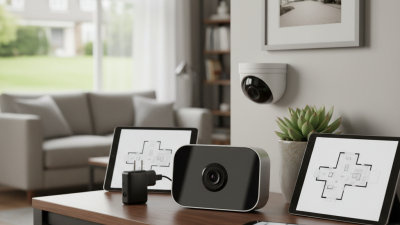
For legal, transparent monitoring, assess camera features by the task they serve. A visible recording indicator helps occupants recognize when a device is active. A physical privacy shutter offers a clear pause when monitoring is unnecessary. Useful details include adjustable motion zones, time-based alerts, and clear status controls. Small details matter. A camera facing an entryway, for example, may capture deliveries without covering a neighbor’s window. Explain placement and recording practices to everyone who may be affected.
Wi-Fi security deserves equal attention. Look for unique account credentials, encrypted connections, access permissions, and timely software updates. NIST’s NISTIR 8259A describes six core IoT cybersecurity capabilities, including data protection, logical access control, and software updates. IBM’s 2024 Cost of a Data Breach Report estimated the global average breach cost at US$4.88 million. That figure covers many sectors, not cameras alone, but it underlines why basic safeguards matter. Prefer limited user access and review stored footage regularly. One limitation remains: motion alerts can miss events or trigger unnecessarily. Test the settings, and follow applicable privacy rules.
How to Assess China-Based Suppliers for Compliance
China-based WiFi camera suppliers should be assessed against the destination market and the exact intended use. Ask for the supplier’s legal business details, factory audit records, and test reports that identify the specific model and hardware revision. A generic certificate may not cover the device you are buying. Still, verify independently.
Check how the camera handles data: where recordings are stored, who can access them, how long they are retained, and how users receive security updates. Request a written update policy, default-password controls, encryption details, and a clear process for reporting vulnerabilities. NIST’s IoT cybersecurity baseline, NISTIR 8259A, outlines core device capabilities that can guide these questions. For lawful, consent-based monitoring, also confirm that notices, access controls, and retention practices meet applicable local privacy requirements.
Numbers help explain why these checks matter, though they do not prove any supplier is trustworthy. Verizon’s 2024 Data Breach Investigations Report found that 68% of breaches involved a non-malicious human element. IBM’s 2024 Cost of a Data Breach Report put the global average breach cost at US$4.88 million. Ask for a live product demonstration and review the settings yourself. A tidy document folder is reassuring, but it is not the same as tested controls. Some smaller suppliers may provide incomplete records; treat that as a gap to resolve, not a reason to assume compliance.
Privacy, Security, and Data-Protection Safeguards
For lawful, consent-based monitoring, privacy protection starts with placement. Aim the lens at an agreed entrance or equipment area, not desks, changing spaces, or neighboring property. Tell affected people what is recorded, why, and how long footage is kept. Use the narrowest field of view that still serves the security purpose. A small sign helps, but it cannot replace a clear privacy notice.
Security settings matter just as much. Verizon’s 2024 Data Breach Investigations Report found that 68% of breaches involved a non-malicious human element. This figure is not specific to cameras, but it highlights the risks of weak routines and accidental access. NISTIR 8259A identifies core IoT safeguards, including secure configuration, data protection, access control, and software updates. Apply these in practice: change default credentials, enable multi-factor authentication where available, encrypt stored footage, restrict administrator access, and install updates promptly. A checklist can still miss an overlooked account.
Tips: Set a short retention period, review access logs monthly, and test who can view or export footage. Keep cameras off shared guest networks when possible. Small details matter. Revisit the setup when rooms, staff, or monitoring needs change.
Responsible Selection and Use in Permitted Settings
Responsible selection starts with a written purpose, not a desire for secrecy.
In permitted workplaces or property areas, record why monitoring is needed, who can view footage, and how long recordings will be retained. Check local requirements and provide clear notice where appropriate. Keep cameras out of spaces where people reasonably expect privacy.
Small details matter.
When comparing suppliers, ask for documented privacy controls, encrypted transmission and storage, secure account access, software update support, and a clear deletion process. Use a unique password, restrict viewing privileges, and review access logs regularly.
The 2024 Data Breach Investigations Report found that
68%
of breaches involved a non-malicious human element. That is a useful reminder: ordinary mistakes can expose sensitive footage.
Test the camera’s field of view before use, and avoid capturing neighboring areas or unrelated personal activity. I would not treat a “secure” label as proof; request specific documentation and verify settings yourself.
Even careful plans can miss something, so review placement and access whenever the space or monitoring purpose changes.